


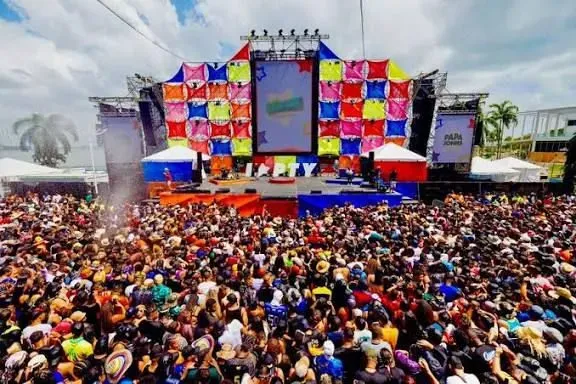
Health officials in Panama have issued a strict warning against drinking tap water across the Azuero Peninsula as massive Carnival crowds begin to gather. The regional directive from the Ministry of Health (Panama) covers the provinces of Los Santos and Herrera, where festivities officially start this weekend. Authorities are awaiting critical laboratory results to determine if local water is safe for human consumption.
This annual celebration typically draws tens of thousands of nationals and tourists to towns like Las Tablas and Chitré. The ongoing precaution highlights persistent challenges with agua potable infrastructure in the region. A preventive “Blue Health Alert” is now in effect from February 12 through April 6, covering both Carnival and the upcoming Holy Week period.
Official Warnings and Operational Plans
Regional Health Director for Los Santos, Antonio Manuel González, presented the operational health plan for Carnival 2026 this week. His team will deploy personnel across the province to ensure coverage and timely medical care for residents and visitors. The core public message remains unambiguous. People should not consume water directly from the tap under any circumstances.
“We are currently awaiting results from external laboratories in order to officially declare if the water is fit for human consumption, once we have the corresponding analyses.” [Translated from Spanish]
The alert specifically names the cities of Chitré, Los Santos, Guararé, and Las Tablas. Officials are validating tests from two key water treatment plants, the Roberto Reina plant in Chitré and the Rufina Alfaro plant in Los Santos. Until official results are published, the Ministry insists water must be boiled before ingestion or that bottled water should be used exclusively for drinking and cooking. Tap water, officials stress, is for domestic and hygiene use only.
Emergency Water Supply Measures Activated
To manage demand during the festival, the National Institute of Aqueducts and Sewers (IDAAN) has implemented a temporary supply network. The institute has stationed large water storage tanks in parks and high-concentration areas across affected districts. These tanks are being strategically repositioned to ensure access for the swollen population.
IDAAN officials confirmed on social media that the potable water tanks in fixed points are supervised by Ministry of Health personnel. This oversight guarantees the quality of the water being distributed from these emergency sources. Special operations in Chitré are also utilizing wells to reinforce the local supply system. Water tanker trucks continue to supply hospitals, health centers, and penitentiary facilities as a further backup measure.
Authorities promise permanent monitoring for any incidents that might arise during the festivities. These preparations come amid visible public concern. Social media posts from Chitré this week showed local protests, with some residents anxious about the strain that incoming crowds will place on already limited resources.
The extended Blue Alert requires all health sector dependencies to activate their protocols. The goal is to ensure medical readiness for any eventuality over the nearly two-month period. For now, the vibrant parades and celebrations will proceed, but with a critical caveat hanging over them. The safety of the water supply remains an open question that officials are racing to answer.