


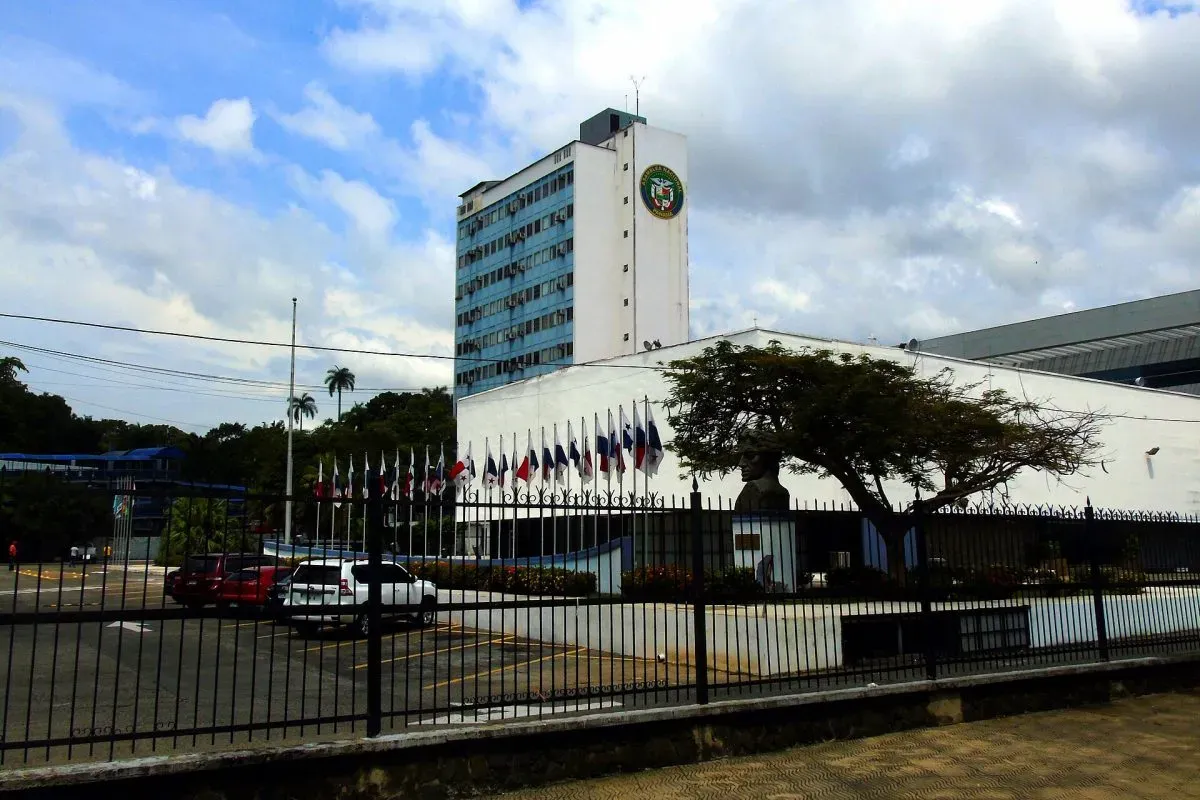
The Panama National Assembly increased its 2025 budget by 67 percent over its original allocation, according to official finance reports. This substantial mid-year expansion, approved internally, contradicts repeated public promises from legislative leadership to curb government spending.
📑 Table of Contents
Documents from the Budget Directorate of the Ministry of Economy and Finance (MEF) show the legislature’s funding jumped from an initial $98.7 million to $164.8 million by year’s end. The $66.1 million increase covers both operational and investment expenses, though the reports lack specific details on which programs received the bulk of the additional funds.
“We are requesting the documentation to verify how these decisions were made,” said Janine Prado, a deputy from the Vamos movement who sits on the budget committee. [Translated from Spanish] Prado emphasized the need for greater transparency in managing public funds, questioning whether formal approvals were secured or if administrative silence was used to authorize the transfers.
The deputy is now seeking copies of all related committee actions, minutes, and resolutions. She directly attributes responsibility for the budget transfers to the Assembly’s two most recent presidents, Dana Castañeda and Jorge Herrera. Both had pledged to reduce costs, particularly through payroll cuts, yet operational spending remains persistently high.
A Persistent Pattern of Increases
This year’s surge is not an isolated event but part of a consistent trend. In 2024, the original budget of $150 million ballooned to $186.6 million. The pattern stretches back several years, with the legislature routinely securing a specific initial Budget Law allocation only to significantly inflate it through internal approvals for additional credits or line-item transfers later.
Back in 2020, spending rose from $99.6 million to $164.9 million. It climbed from $107.1 million to $200.9 million in 2021 and from $143.9 million to $230.5 million in 2022. The practice has made the National Assembly (Legislative Branch) one of the state organs most criticized for its discretionary use of resources. Public scrutiny often focuses on the growing payroll, with citizens and watchdog groups demanding justification for new hires.
Operational expenses, categorized as “functioning,” saw the most dramatic rise in 2025. They grew from $95.7 million to a modified $160.5 million, with $148.6 million executed by December. Investment allocations saw a smaller jump, from $3 million to $4.3 million, with that full amount spent.
Leadership Promises Meet Fiscal Reality
Current Assembly President Jorge Herrera outlined an institutional agenda centered on transparency and efficiency upon taking the role. He promised to review internal regulations, eliminate no-show jobs known locally as “botellas,” digitize processes, and provide accountability after each legislative period. His predecessor, Dana Castañeda, made similar commitments to reduce the body’s financial burden.
Their pledges have not materialized in the budget figures. The gap between rhetoric and fiscal reality raises questions about the control mechanisms within the asamblea nacional itself. The ability to transfer large sums without extensive external oversight appears to be a standard, if controversial, operating procedure.
Civil society groups continue to highlight the issue. Foundation Espacio Cívico publicly questioned the rationale behind the Assembly’s expanding payroll in late 2025, demanding clarity on the functions of new positions. This external pressure underscores a growing public demand for legislative fiscal responsibility that matches its political authority.
The consistent budget expansions occur despite Panama’s broader economic pressures. They spotlight a disconnect between the legislature’s self-governed finances and the austerity it often prescribes for other government sectors. The situation leaves deputies like Prado seeking answers from within, while citizens await tangible results from promises of reform and restraint.