


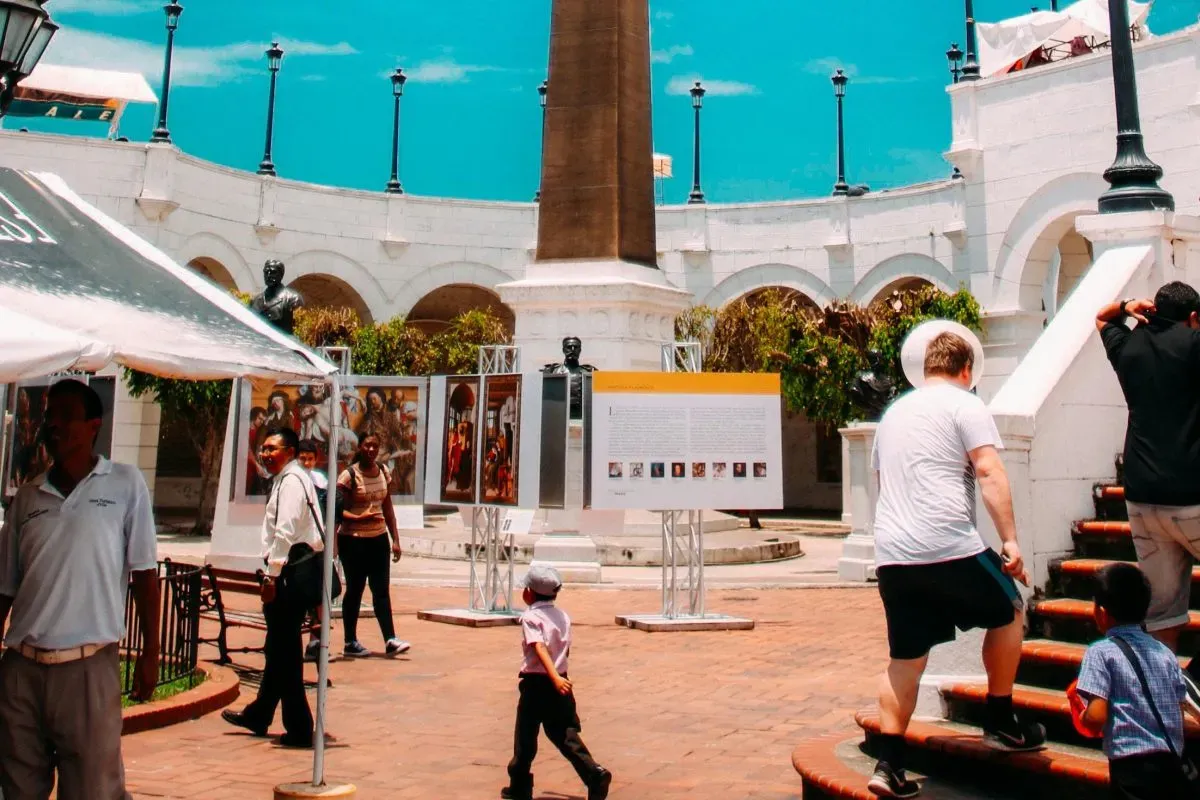
Panama City’s municipal government has declared its flagship casco peatonal program a resounding success for 2025. The initiative, which transforms the historic casco antiguo district into a recurring pedestrian zone, attracted an estimated 700,000 participants over ten monthly editions from March through December.
Officials from the Municipality of Panama released year-end data showing the program generated approximately 14 million balboas in local economic activity. This figure was calculated based on average attendee spending across transportation, food, local commerce, entrepreneurial ventures, and cultural services.
“The constant programming attracted residents, visitors, and tourists, turning the Casco Antiguo into an active, safe, and community-oriented space,” stated the official municipal report. [Translated from Spanish]
Direct beneficiaries included a wide range of local businesses. Restaurants, shops, entrepreneurs, artists, and tourism operators in the historic Casco Antiguo, Panama City area all reported increased traffic and sales. The program’s primary goal was to strengthen the local economy, promote Panamanian culture, and return public spaces to citizen use.
Pedestrian Program Drives Cultural and Community Engagement
Beyond the impressive financial numbers, city leaders emphasized the project’s social and cultural achievements. By consistently closing streets to vehicular traffic one weekend each month, the municipality created a predictable and highly anticipated civic event. This regularity, officials argue, built a strong sense of community and encouraged habitual use of the city’s historic core.
The program successfully positioned itself as one of the year’s most far-reaching civic activities. It did more than just bring people downtown. The initiative actively promoted the use of public spaces, expanded the local cultural offering, and supported neighborhood vitality. For many residents, it redefined their relationship with a district often perceived as primarily tourist-focused.
“With these results, the Pedestrian Zone concludes the year as a key initiative for a more lively, accessible, and humane city,” the municipal report concluded. It reaffirmed the administration’s “commitment to developing public spaces that generate well-being, foster coexistence, and drive economic development.” [Translated from Spanish]
The reported 14 million balboa impact suggests a significant multiplier effect from the program. Money spent by attendees circulated directly within the local economy, supporting small and medium-sized enterprises that form the district’s commercial backbone. This model of tactical urbanism, using temporary closures to test long-term benefits, provided concrete data to justify future public space investments.
Future of Panama City Public Space Initiatives
The program’s undeniable success in 2025 sets a high benchmark for future editions. It also provides a proven template for other neighborhoods within the capital. The municipality now possesses quantitative evidence that investing in pedestrian-friendly, culturally rich programming yields substantial economic and social returns.
Questions about scaling the program or making elements of it permanent will likely follow this positive report. The challenge for planners will be balancing the vibrant energy of the temporary closures with the daily needs of residents and businesses. Managing growth without losing the community-focused charm that made the program popular is the next step.
This initiative represents a broader global trend of cities reclaiming streets for people. Panama City’s version has demonstrably boosted its historic center’s economy while enhancing quality of life. The data from 2025 offers a powerful case for continuing and potentially expanding such transformative urban projects.