


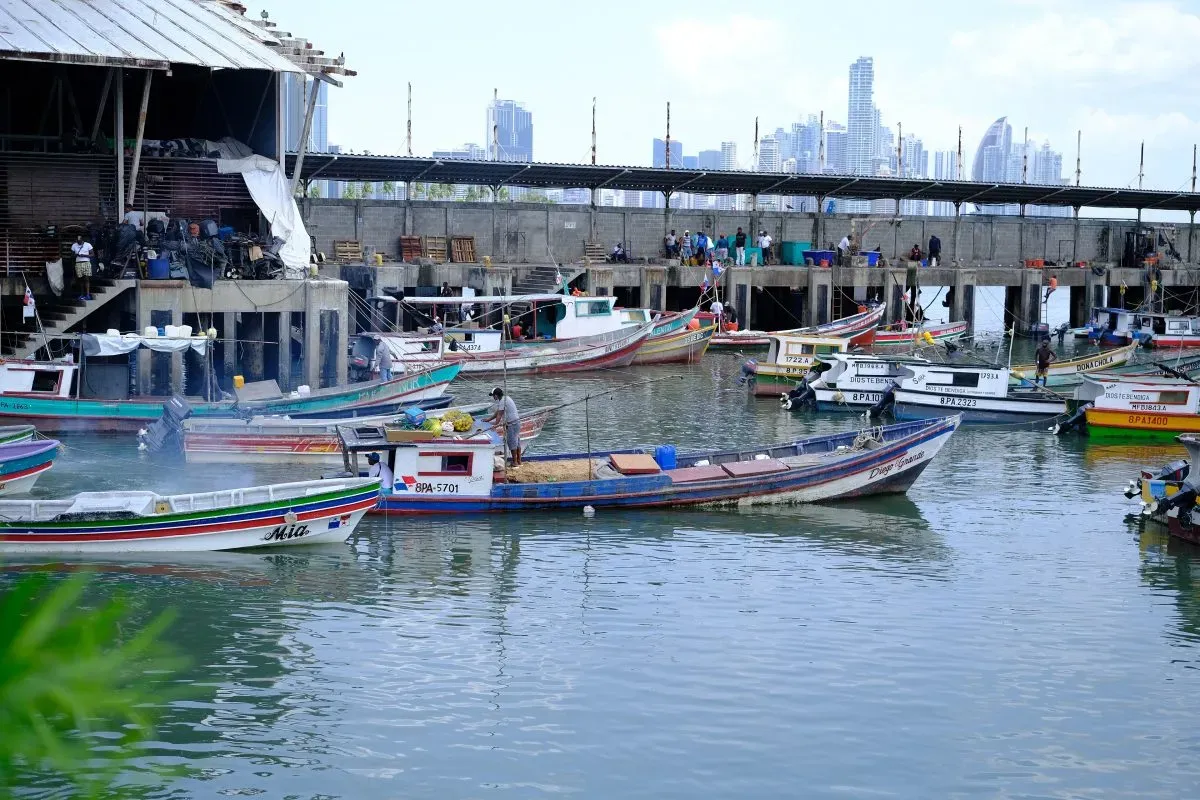
The Aquatic Resources Authority of Panama (ARAP) has officially opened the nation’s first shrimp fishing season for 2026. The season commenced on April 11 and will run through August 31, marking the end of a legally mandated closed period designed to protect marine stocks.
This annual reopening allows commercial and local fishers to legally harvest shrimp, a key export commodity for the Central American nation. Authorities confirmed the start date after determining that the prior months of prohibition successfully supported species recovery and reproductive cycles. The season’s launch is expected to reactivate a significant portion of the coastal economy.
Sustainable Management Underpins Season Opening
ARAP officials emphasized that the opening is conditional on continued adherence to sustainable fishing practices. The closed season, or “veda,” saw intensified patrols and surveillance operations to prevent illegal harvesting. These conservation efforts, the authority stated, are fundamental to ensuring the long-term viability of the fishery and the industries it supports.
The agency publicly acknowledged the cooperation of fishers, distributors, and coastal communities during the restrictive period. Their compliance is credited with strengthening the health of shrimp populations. ARAP now calls for that same commitment to responsible practices as work resumes on the water.
“This opening represents a new opportunity to boost fishing activity responsibly and sustainably across the entire territory of Panama,” an official ARAP statement read. [Translated from Spanish]
With the season now active, fishing sectors can resume their economic activities under ARAP’s established guidelines. The authority maintains that its core policy balances conservation with the sustainable use of marine resources. This approach aims to safeguard both the environment and the livelihoods dependent on it.
Economic Impact and Regulatory Framework
The return to legal shrimp harvesting provides immediate economic relief to thousands. For the nation of Panama, it also secures the flow of a valuable export product. The global market for high-quality shrimp remains strong, and Panamanian harvests contribute notably to this trade.
ARAP has not released specific catch quotas or projections for the 2026 season. Monitoring and enforcement teams will remain active throughout the coming months. Their goal is to ensure all harvesting complies with size, method, and zone regulations designed to prevent overfishing.
This structured opening and closing of fisheries is a recognized management tool worldwide. Panama’s application of this model seeks to prevent the depletion that has impacted other regional fisheries. The success of each season, officials note, directly depends on the effectiveness of the preceding closed period.
The authority plans to continue its educational outreach to fishing communities. Sustaining this valuable resource, they argue, is a shared responsibility with long-term benefits for the entire country.