


People living in the Chivo Chivo and Kuna Nega areas near Panama City say isolated roads are being used by hitmen to abandon murder victims. Community testimonies point to at least three recent cases that have heightened fear, with bodies discovered in hard-to-reach locations with little police oversight.
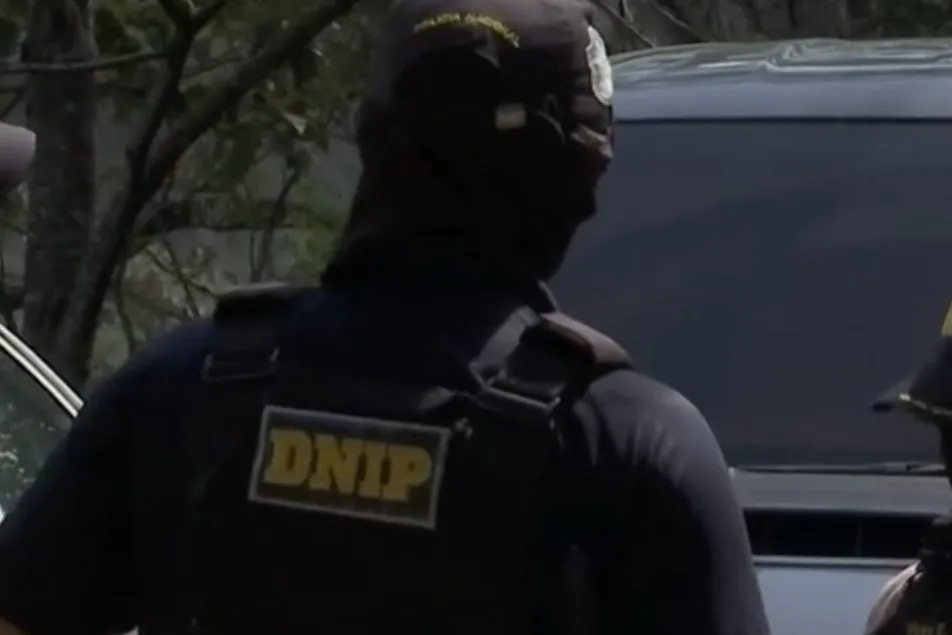
One specific location, a property beside the two-kilometer mark on the corridor connecting Chilibre to the capital near Kuna Nega, has seen scattered human remains found. Police and officials from the Ministry of Public (Panama) have conducted investigations at the site. Residents describe a growing sense of dread as their neighborhoods become associated with brutal crimes.
The terrain itself facilitates the problem. Steep slopes, thick vegetation, and almost no street lighting create a perfect cover for criminal activity. Locals say these conditions allow gangs to commit murders and dispose of bodies with little chance of being seen. They insist the victims found do not come from their communities, deepening the mystery and fear.
“The people they have found are not even known in the area. Everyone is asking what is happening, but there are many abandoned places with tall weeds, and that lends itself to those who are out there committing crimes,” a resident said. [Translated from Spanish]
Some residents now refer to their own community as a “human landfill,” a grim reflection of the distress caused by the repeated incidents. The area’s proximity to the large Cerro Patacón landfill zone, combined with illegal dumping sites and long, lonely stretches of road, creates an environment residents say criminals exploit.
Recent Cases Intensify Calls for Security
The discovery of two bodies on March 20 intensified public alarm. The victims, found on the road between Santa Librada and Villa Cárdenas, were minors. This case underscored the brutal nature of the crimes and sparked renewed demands for a stronger security presence. Community leaders are pleading for more patrols and better lighting in these vulnerable zones.
While the corridors see frequent traffic, specific segments remain desolate and dangerous after dark. The lack of consistent authority allows criminal bands to operate with a shocking degree of impunity. Residents feel trapped, fearful that their neighborhoods are being permanently marked as lawless territories used for the most heinous acts.
This situation near Kuna Nega echoes broader security challenges in the region’s outskirts. Infrastructure and urban development projects often race ahead of community safety plans, leaving gaps. The ongoing concerns highlight a critical need for integrated security strategies that go beyond city centers.
Authorities have not released detailed statements on potential connections between the cases or any ongoing investigative strategies. The silence from officials, residents report, only amplifies their anxiety. They are left with unanswered questions and a palpable fear that the next grim discovery could happen at any time.
For now, people in Chivo Chivo and kuna nega are altering their routines, avoiding certain roads after sunset, and watching their surroundings with increased vigilance. The hope for a decisive police response remains their primary demand, a plea for normalcy in a situation that feels anything but normal.