


Panamanian security forces intercepted two separate attempts to smuggle prohibited items into prisons this week. Officials at the La Joyita and La Joya penitentiary centers thwarted the efforts, one involving a backpack carrier and another using drones. The incidents highlight ongoing challenges in securing prison perimeters against innovative smuggling methods.
The National Police of Panama apprehended a 46-year-old man near La Joyita prison. Monitoring personnel first alerted agents to suspicious activity in the area of the old conjugal visit zone. A search operation located the individual hiding in dense brush.
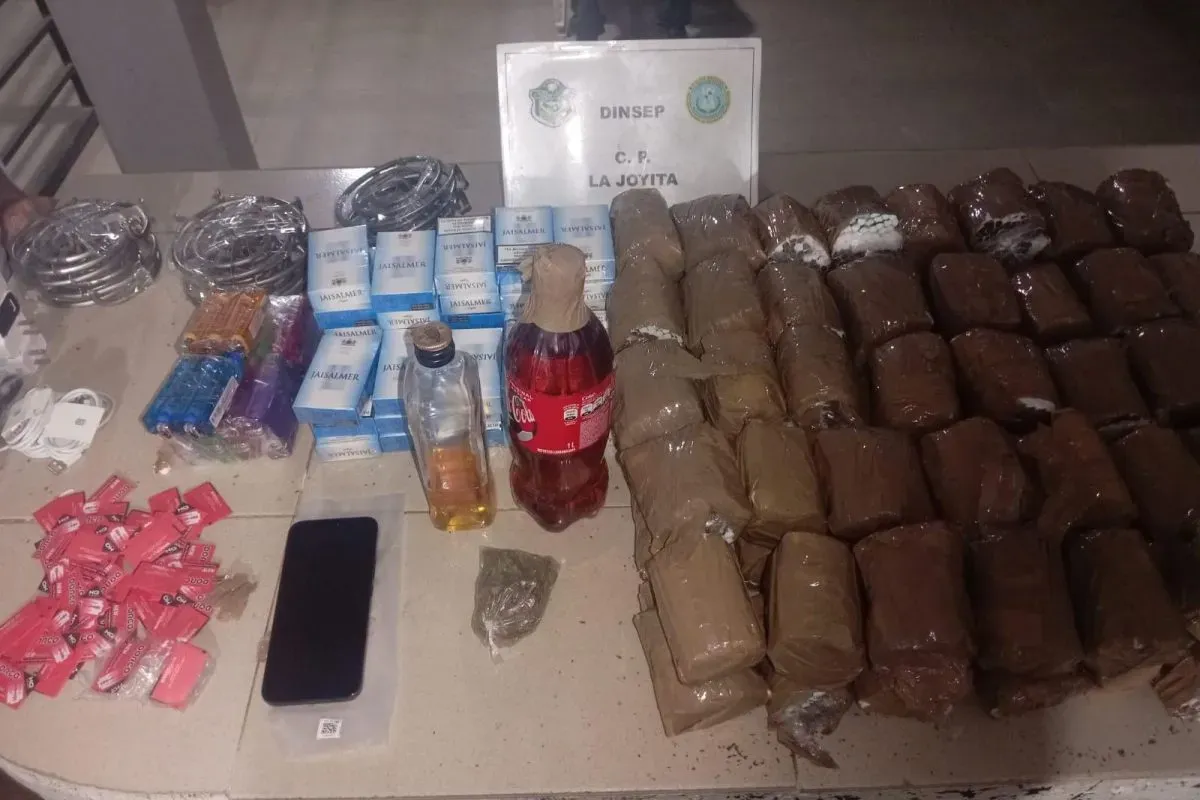
He was carrying three bags filled with prohibited goods. The confiscated items included cigarettes, cell phones, USB cables, lighters, electric burners, alcoholic beverages, and suspected illicit substances. Authorities noted the man had previous arrests for similar offenses.
Drone Drop Discovered in Parallel Incident
In a simultaneous event, agents from the National Penitentiary Security Directorate detected drone activity over La Joya prison. During an inspection round, officers discovered 15 packages that had been dropped inside the internal perimeter. The contents revealed a persistent demand for prison contraband.
Those packages contained 245 cigarette packs, seven lighters, eight headphone cables, one empty plastic tube, and three bundles of suspected illegal drugs. All seized materials were transferred to the Citizen Service Office for evidence processing. Both cases are now under judicial review as investigations continue.
“These events demonstrate new and persistent methods used to introduce prohibited items,” a National Police spokesperson stated. [Translated from Spanish] The official emphasized that surveillance protocols triggered the successful interceptions.
Security regiments remain on high alert following these attempts. The coordinated response between monitoring teams and rapid-reaction agents prevented the contraband from reaching inmates. Prison officials have not disclosed if any internal accomplices are suspected in the drone operation.
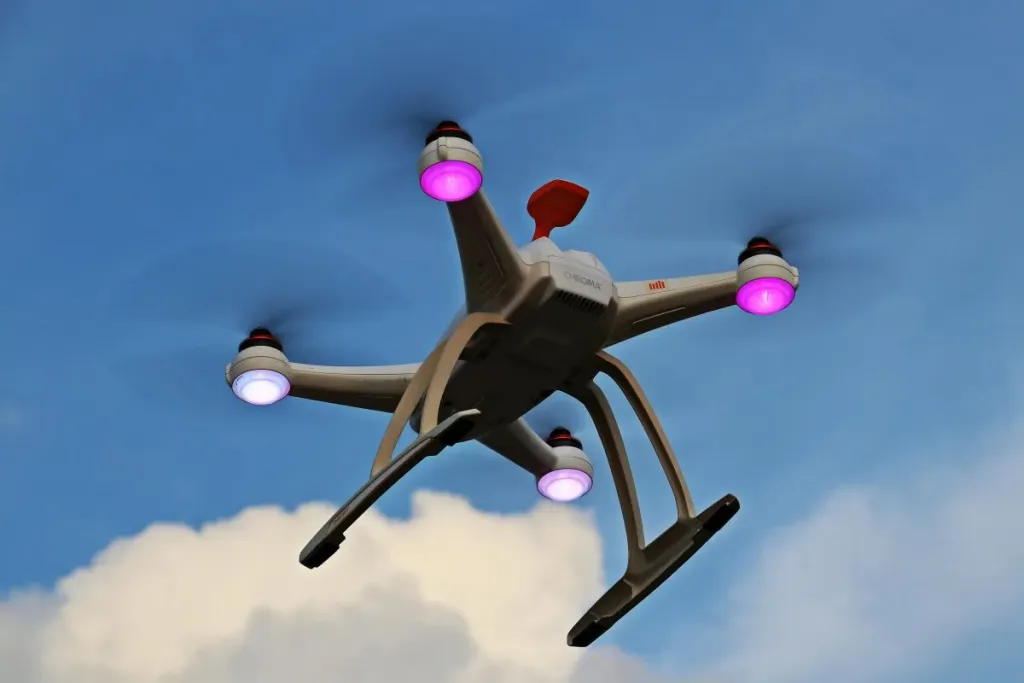
The use of an unmanned aerial vehicle (drone) represents a technological escalation in smuggling tactics. It marks a shift from traditional methods seen at the centro penitenciario/ high security prison complex. Authorities are analyzing the drone’s origin and flight path.
Panama’s prison system has faced chronic overcrowding and resource challenges. Smuggling operations exploit these conditions, creating security risks and fueling internal black markets. The recent incidents prompted immediate reinforcement of external patrols around both facilities.
Judicial authorities will determine charges for the apprehended suspect. Penalties for smuggling contraband into prisons can include significant prison sentences. The drone operator remains unidentified at this time, though forensic analysis of the recovered packages may provide leads.
These events underscore a continuous cat-and-mouse game between smugglers and security forces. As one method gets disrupted, new ones inevitably emerge. Prison officials confirm they are reviewing counter-drone technologies and enhancing perimeter surveillance to adapt to these evolving threats.