


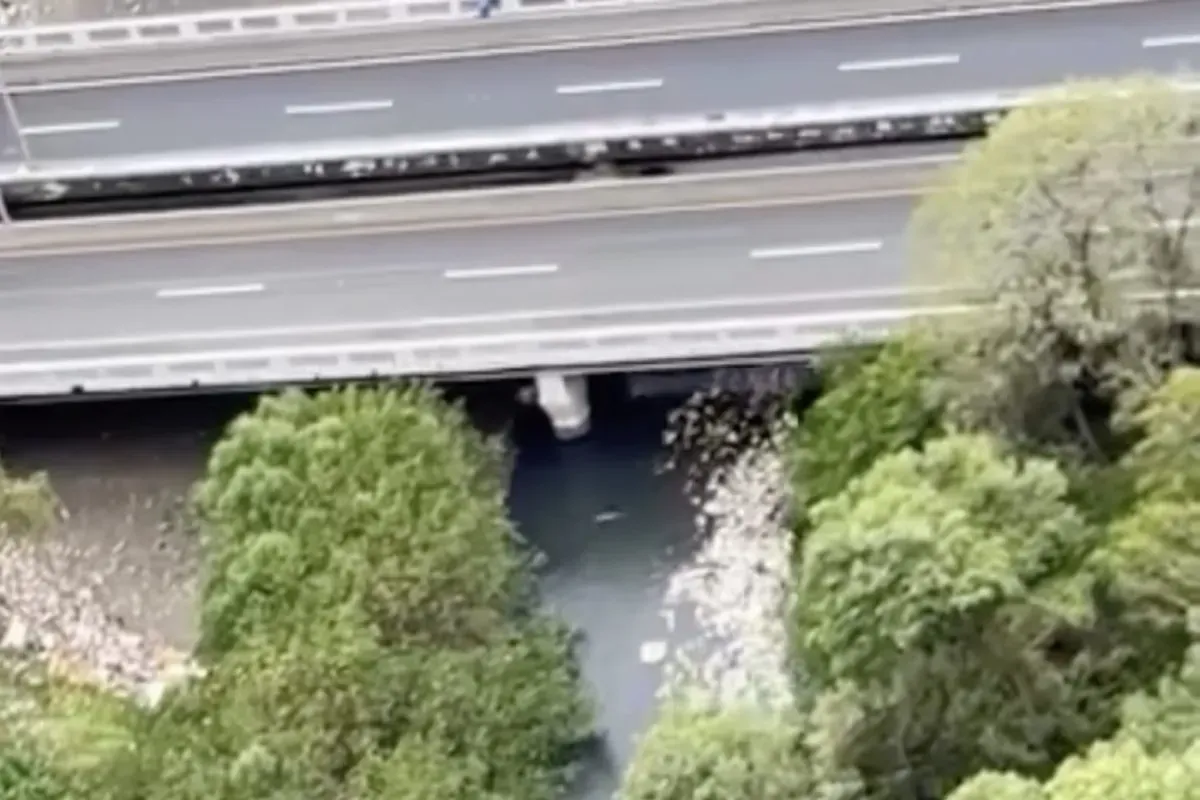
Powerful weekend rains swept a massive wave of solid waste into the Matías Hernández River in Panama City. The incident, captured on video this Saturday, has reignited concerns about urban pollution and inadequate solid waste management systems in the capital.
Footage shared widely on social media shows a dense, floating mass of plastic bottles, packaging, and other debris clogging the river’s mouth near the Costa del Este area. This visual evidence highlights a recurring seasonal problem where trash from streets and drains ends up in vital waterways.
“We are waiting for the ratification of a river cleanup project that will address this pollution in the Matías Hernández River, the Río Abajo River, and the coastal beaches of Panama Bay,” said Panama District Mayor Mayer Mizrachi in a social media post. [Translated from Spanish]
Local observers note these scenes repeat almost every rainy season. Stormwater systems carry litter from across the city into rivers, which then transport it directly into the Panama Bay. The cycle underscores a persistent failure to manage waste at its source.
@feliciailso After seeing Netflix Plastic documentary #plastica #panama #ocean #trash #healtheworld🌍 ♬ originalljud – feliciailso
A Systemic Environmental Challenge
This event is not an isolated one. It points to a broader systemic issue. Inadequate public disposal infrastructure, littering, and insufficient environmental enforcement collectively create the conditions for such pollution surges.
The National Civil Protection System (Panama) reported rains of varying intensity across the metropolitan region. They issued standard safety advisories for drivers and residents. Their warnings, however, did not specifically address the environmental aftermath now visible in the rivers.
Community reactions online have been sharp. Many citizens expressed frustration, calling the sight an embarrassment and a clear sign of failed municipal policies. The visual impact of the trash wave has strengthened public demands for immediate and effective action from local authorities.
Official Response and Next Steps
Mayor Mizrachi’s reference to a pending cleanup project offers little immediate solace to concerned residents. The project requires ratification, a process with no public timeline. This delay means the next major storm could easily replicate today’s distressing scene.
Environmental groups have long advocated for comprehensive solutions. These include public education campaigns, stricter penalties for illegal dumping, and significant investment in modern waste processing facilities. The goal is to intercept trash before rains can mobilize it.
The path forward remains unclear. The mayor’s office has not detailed the specific actions or funding the proposed cleanup plan entails. Without rapid implementation, Panama City’s rivers will continue to serve as open-air conduits for waste, damaging ecosystems and public health.
This weekend’s event serves as a stark reminder. Urban development and environmental stewardship must advance together. For now, the floating garbage in the Matías Hernández River paints a picture of progress still waiting to be made.