


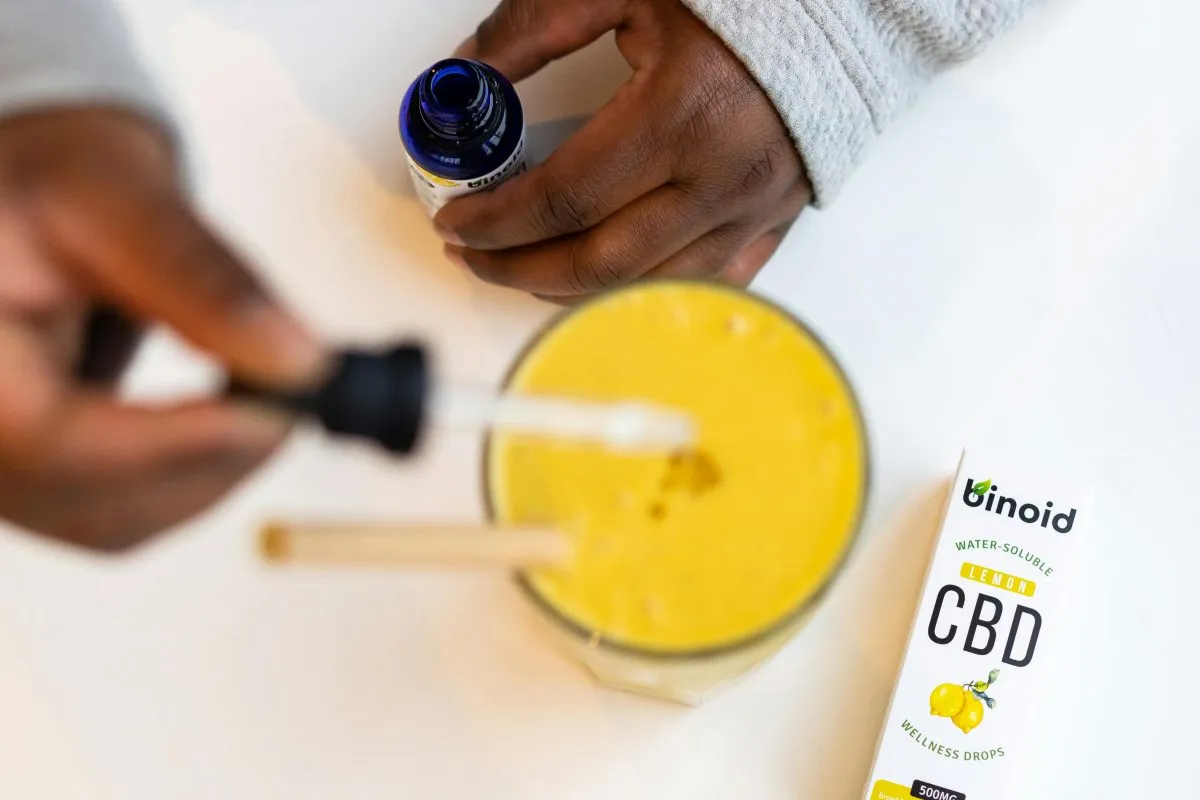
Panama’s Ministry of Health has approved the commercial sale of 22 specific medical cannabis products containing cannabidiol (CBD). The National Directorate of Pharmacy and Drugs authorized the items through a series of official resolutions issued in late 2025, marking the country’s first concrete step in establishing its regulated medical cannabis market. These products, which include capsules, gummies, oral solutions, and topical ointments, are now available by prescription at specialized pharmacies.
The approved resolutions, numbered 192 through 230, permit the sale of a range of CBD-based items. Authorized formats include hard and soft gelatin capsules, chewable tablets, oral solutions, roll-on muscle gels, and topical ointments. Concentrations vary widely, offering doses from 10 and 30 milligrams per unit to larger presentation bottles containing 900 mg and 1,800 mg of CBD. This range is designed to provide doctors with flexible therapeutic options for patient treatment plans.
“In this first stage, only products with CBD will be commercialized and always under medical prescription,” said Uriel Pérez, National Director of Pharmacy and Drugs. [Translated from Spanish] “Any person will be able to acquire them with a prescription, without the need to be registered in a special registry.”
The health authority emphasized this initial phase aims to launch the commercialization system with basic controls. Officials stated this approach allows for a functional framework before advancing to more stringent regulatory schemes for other cannabis components. Approved product lots have expiration dates spanning from December 2026 to January 2027, according to the official resolution documents.
Establishing a Controlled Medical Framework
Panama’s move follows a global trend toward regulating cannabis for therapeutic use. The non-psychoactive compound cannabidiol (CBD) is distinct from the psychoactive tetrahydrocannabinol (THC). CBD has gained international recognition for potential applications in managing chronic pain, inflammation, sleep disorders, and anxiety. Its use, however, requires individualized medical evaluation and oversight. In 2018, the U.S. Food and Drug Administration (FDA) approved a cannabidiol-based drug, setting a significant precedent for its clinical acceptance.
The next regulatory phase in Panama will involve greater complexity. Authorities confirmed that products containing THC will be incorporated later under stricter controls and within a reinforced supervision system. When these medicines enter the market, they will be classified as controlled medicinal products. Their dispensing will be limited to patients enrolled in a national medical cannabis program and will require a formal medical prescription.
This future registry will be administered by the Ministry of Health’s General Directorate of Health. Its stated goal is to ensure treatment traceability, clinical follow-up for each patient, and the prevention of substance diversion for unauthorized uses. Officials acknowledge the entire model depends on this control system being fully operational before THC-based products can be safely introduced.
Specialized Pharmacy Launches Distribution Network
The practical implementation of this policy began with the opening of Panama’s first specialized medical cannabis pharmacy. Canna Pharma, located in the Bella Vista district, started operations in January. It is linked to the Panamericana de Cannabis Consortium, one of seven companies granted a license by the Ministry of Health to participate in this regulated industry. The consortium was formally constituted in February 2024.
This pharmacy’s launch represents the operational beginning of the authorized distribution network for cannabis medicinal products. Its opening provides a tangible access point for patients with valid prescriptions, moving the national program from theoretical design into practical execution. The challenge now shifts to ongoing supervision of commercialization, verification of sanitary compliance, and ensuring imported product quality.
Panama joins other Latin American nations that have opted to regulate the therapeutic use of cannabis through controlled schemes emphasizing traceability and health oversight. The country’s framework seeks a difficult balance. It must guarantee access for patients who could benefit from these treatments while simultaneously preventing non-medical use, regulatory gaps, or deviations from the established legal framework. Success hinges significantly on controlling prescription practices and ensuring they respond to genuine medical criteria rather than market demand alone.
The entire process underscores a significant shift for Panamanian health policy. Years of legislative and technical discussion have now transitioned into active, on-the-ground regulation. The coming months will test the robustness of the control systems and the medical community’s adoption of these new treatment options within a strictly supervised environment.