


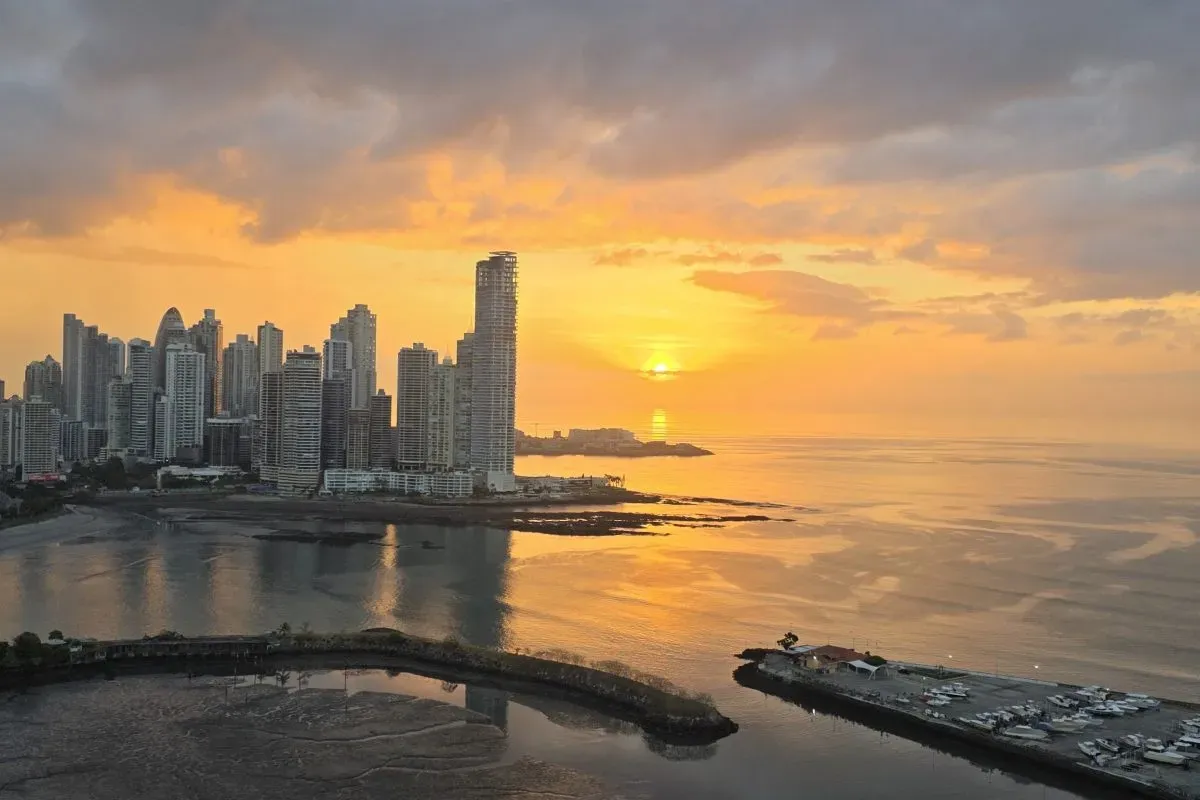
Geopolitical turmoil in the Middle East is triggering a significant westward redirection of global investment capital. As traditional hubs face heightened risk, Panama is emerging as a primary beneficiary, attracting wealth and talent seeking stability. This shift, accelerating through early 2026, is reshaping global capital flows and positioning the Central American nation as a premier safe haven.
Analysis from firms like Allianz Economic Research indicates the conflict has moved beyond a regional crisis to become a systemic shock. The constant threat to maritime chokepoints like the Strait of Hormuz and the potential for oil prices to surge past $100 a barrel have drastically altered risk calculations. Investors now view geographic proximity to conflict as an untenable liability, even in previously favored zero-tax jurisdictions.
Panama’s Strategic Advantages Draw Investor Attention
Panama offers a compelling alternative with a unique combination of protections. Its fully dollarized economy acts as a critical shield against currency volatility and imported inflation, a stark contrast to pegged currencies elsewhere. The country’s risk profile is dominated by manageable domestic factors rather than the existential geopolitical threats facing other regions.
“Investors are seeking asymmetric protection with participation in global trade upside. Panama’s model delivers precisely that,” a senior analyst from a European investment bank stated. [Translated from Spanish]
International institutions back this view. The IMF and U.S. Department of State consistently highlight Panama’s regional leadership in GDP growth, projected at 4.0 percent for 2026. This growth is anchored not in volatile commodities but in a diversified economic engine powered by the Panama Canal, a robust banking sector, and sustained aggressive infrastructure spending.
Comparative Analysis Middle East Versus Panama
| Feature | Middle East (e.g., Dubai) | Panama (Panama City/Coronado) |
| Geopolitical Risk | High (Strait of Hormuz proximity) | Low (Outside major conflict zones) |
| Gross Rental Yield | 5–6% (Compressed by supply) | 7% (Strong expat demand) |
| Residency Entry | Often high-barrier/temporary | $200k+ (Friendly Nations/Qualified Investor) |
| Climate Risk | Extreme Heat | Tropical (Outside Hurricane Belt) |
Real Estate Shifts from Investment to Residency Plan
The changing motivation of buyers is perhaps the clearest signal of this capital shift. Market data from firms like KeyCrew.co shows nearly 25 percent of luxury real estate transactions in Panama are now driven by residency-focused purchases. High-net-worth individuals are executing “Plan B” strategies, prioritizing security and a clear path to permanent status.
Panama City’s real estate market offers compelling value. With an average home value significantly below comparable luxury markets in Dubai or Miami, it provides accessibility alongside a superior legal pathway. Programs like the qualified investor and friendly nations visas are seeing surging applications as professionals seek alternatives. This trend is actively reshaping real estate and migration patterns in panama city and beyond.
“The demand is no longer purely about ROI. Clients are explicitly seeking Return on Security. They want a stable base for their families and assets,” noted a key property expert. [Translated from Spanish]
This search for stability is amplified by Panama’s territorial tax system, which does not tax foreign-earned income, and its established reputation as one of Latin America’s safest countries. The convergence of financial and personal security is proving irresistible for many.
Neutrality and Modernity Seal the Deal
Panama’s constitutional mandate of neutrality regarding the Canal provides a foundational layer of political insulation in a divided world. Its modern infrastructure, including a healthcare system staffed by internationally trained doctors, meets the expectations of a discerning global clientele. The nation sits physically outside major conflict zones and the Atlantic hurricane belt, adding another layer of perceived safety.
Industry observers report that savvy investors are moving now to lock in 2026 pricing. They are hedging against both future cost inflation and the next inevitable global disruption. The current situation underscores a broader lesson on the dangers of geographic concentration for both supply chains and personal wealth.
Panama’s appeal in this unstable era is comprehensive. It combines the financial pragmatism of a dollarized economy with the tangible security of a peaceful, modern society. For capital and people fleeing volatility, the country is not merely a parking spot. It is a strategic stronghold designed for long-term resilience, offering peace of mind backed by a trade-driven economic engine.