


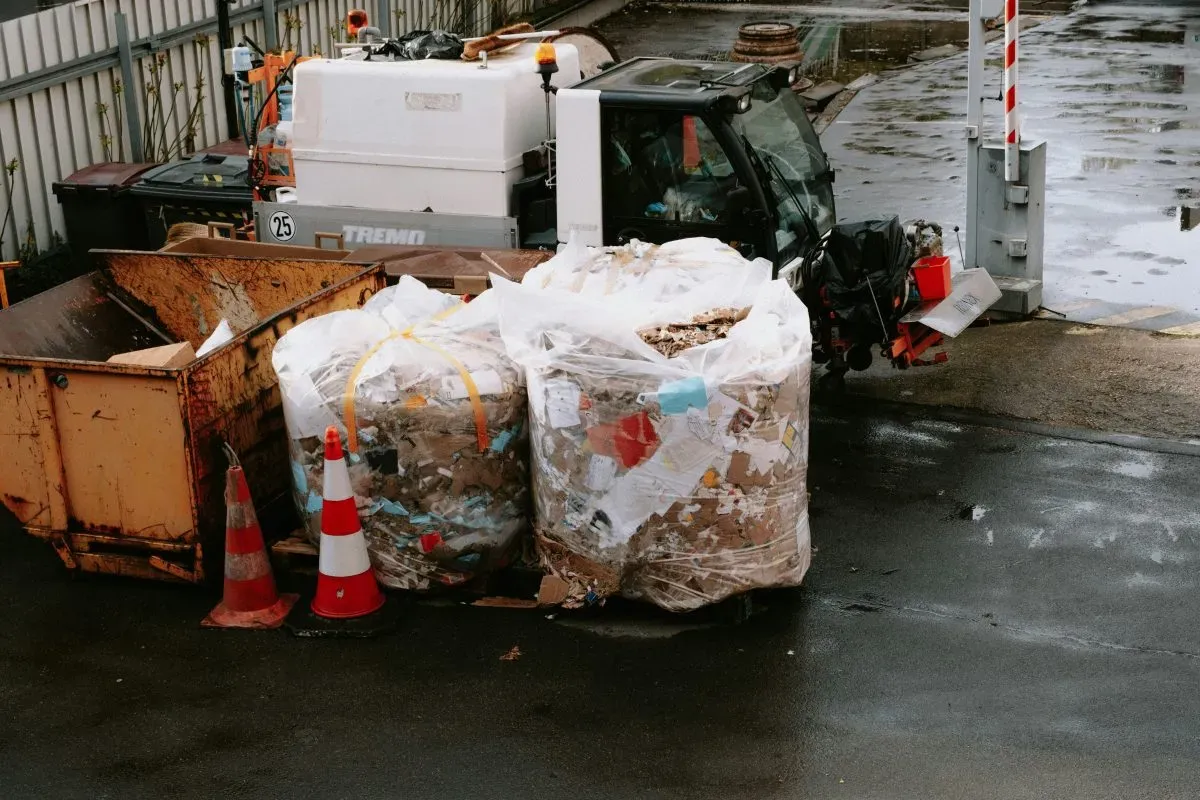
Panama’s Urban and Household Waste Authority (AAUD) has been using private companies to collect garbage in the San Miguelito District for weeks without the legally required approval from the nation’s comptroller. AAUD Administrator Ovil Moreno disclosed the situation during a tense legislative hearing on January 29, 2026, defending the move as a necessary emergency action to protect public health.
Moreno appeared before the National Assembly’s Commission on Work, Health, and Social Development to answer 26 questions on waste management. He confirmed that multiple private firms are operating in San Miguelito without the formal endorsement, known as a refrendo, from the Office of the Comptroller General of the Republic (Panama). This approval is a standard final step for government contracts, ensuring compliance with fiscal rules.
“We could not just cross our arms. We had to help the more than 280 thousand residents of the San Miguelito District,” Moreno told lawmakers. [Translated from Spanish]
The AAUD assumed full control of waste collection in San Miguelito on January 19. This followed the expiration of a 20-year concession with the company Revisalud. The authority had begun providing support earlier in the month as garbage piled up in streets and public areas, creating a visible and urgent sanitation crisis.
Emergency Legal Justification Cited
Facing scrutiny from deputies, Moreno argued his agency acted under emergency provisions. He stated they invoked Article 79 of Panama’s Public Procurement Law 22. This article permits exceptional contracting procedures during unforeseen and urgent situations that cannot be postponed.
Moreno described the conditions in San Miguelito as evident, unprecedented, proven, and immediate. The volume of waste found on streets far exceeded normal levels, he testified. He compared the scene to the crisis he encountered when first taking over waste services in Panama City years ago. Immediate action was the only option to prevent a major public health disaster.
The companies currently working without comptroller approval include Volquetes Unidos de Panamá, Equipos y Volquetes Panamá Este, Grupo de Contratistas Internacional, and several others. Their continued operation hinges on the AAUD’s emergency declaration.
Nearly $600,000 Allocated for Crisis Response
Officials have dedicated significant resources to the cleanup effort. Moreno provided a detailed financial breakdown to the commission. The total investment to address the San Miguelito emergency reaches $594,371.94.
The vast majority, $587,381.84, covers equipment costs. Another $6,847.50 was spent on food for operational staff and volunteers who supported intensive collection drives. Miscellaneous expenses accounted for $192.60. The need to feed personnel, Moreno clarified, stemmed directly from the volunteer participation in the extended cleanup operations.
“The health of residents is not optional, and timely garbage collection is fundamental to avoiding public health problems,” Moreno emphasized during his testimony. [Translated from Spanish]
Logistically, the AAUD has deployed a substantial fleet. It currently consists of 30 dump trucks, 15 backhoes, and 14 private compactor trucks. The authority is also using its own mesh-sided vehicles and eight supervisor cars borrowed from other entities. One backhoe was provided by Merca Panamá, with private companies supplying the rest.
Financial Management and Municipal Tensions
The hearing also delved into the financial mechanics of waste collection. Moreno explained that ENSA, the company handling electricity billing, collects the sanitation fee for the AAUD. A recent report from ENSA showed 77,837 users in San Miguelito pay the fee through their power bill.
Moreno did not specify the monthly collection amount. He did announce a new plan for transparency. The AAUD will open a dedicated bank account exclusively for San Miguelito’s sanitation funds. All revenue from the district’s fees will flow into this account. The goal is to ensure clear and verifiable control over the resources.
The authority also committed to providing regular reports to the Municipal Council and Mayor’s Office. These reports will come every two weeks or monthly. They will include data on tons collected per neighborhood, equipment used, cost per ton, and total service expenditure. Any surplus funds will be managed according to Municipal Council decisions. The money would be strictly used to improve waste management infrastructure.
This intervention occurs despite a legal complaint filed by the San Miguelito Mayor’s Office against the AAUD’s takeover. Moreno declined to discuss the pending lawsuit in detail, noting it is now before the Supreme Court. His focus remains squarely on the operational task of collecting waste. The national assembly commission continues to monitor the situation closely.
Public health remains the central justification for these extraordinary measures. The AAUD’s decision prioritizes immediate crisis resolution over standard bureaucratic process. Whether this emergency justification will withstand ongoing legal and political scrutiny is a separate question. For now, Ovil Moreno and his team continue their work, aiming to restore normalcy to a district overwhelmed by garbage.