


Panama’s Ministry of Health will start distributing medical cannabis products in authorized pharmacies within days. Uriel Pérez, the Director of Pharmacy and Drugs for the Ministry of Health (Minsa), confirmed the rollout this week, marking a major shift in patient access following the country’s 2021 legalization law.
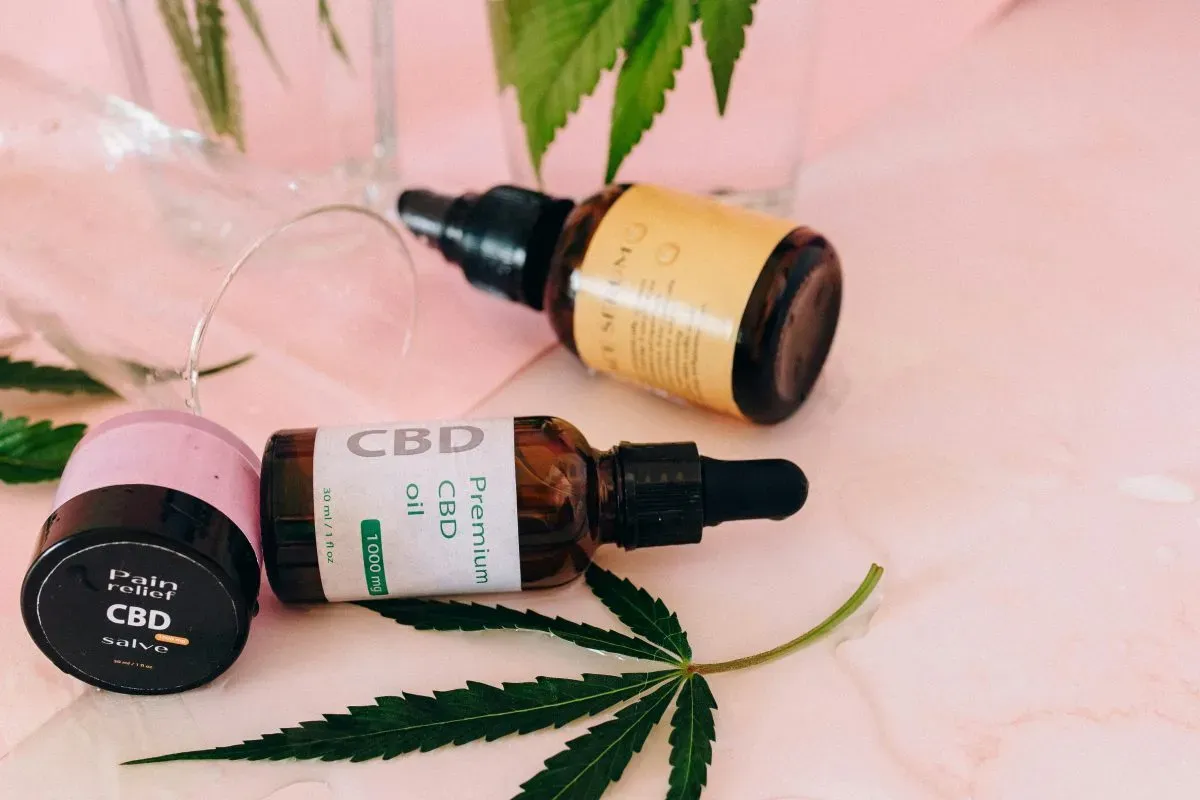
The initial phase focuses on non-controlled products containing therapeutic cannabidiol (CBD). These items, including creams, ointments, gummies, syrups, and oils, will be available without a medical prescription. Officials are finalizing the last import procedures to get the products onto shelves.
“In the coming days you will have products, mainly those that are not controlled, which have CBD with therapeutic activity, so we will finally have medical cannabis available for all patients,” said Uriel Pérez. [Translated from Spanish]
This first wave involves only topical and oral presentations. Pérez detailed that products containing tetrahydrocannabinol (THC), the psychoactive component subject to stricter international controls, will be announced later. Their release depends on the official market entry of the finished goods, which face more rigorous oversight from bodies like the International Narcotics Control Board.
Two-Phase Rollout for Patient Access
A second, more regulated phase will follow. It covers controlled medicinal products that require a doctor’s prescription. Access will be restricted to patients formally registered in the national cannabis medicinal program. This structured approach aims to balance immediate availability with stringent safety protocols for stronger formulations.
Authorities state the measure’s goal is expanding therapeutic options for people with specific conditions. They emphasize operating within the legal framework, ensuring all products meet established health controls for safe medical use. The move directly addresses long-standing patient demand for accessible, regulated treatment alternatives.
Panama’s journey to this point has been deliberate. Legalization passed over two years ago, but creating a functional regulatory and distribution system caused delays. The pharmacy-based model now being implemented is designed to provide centralized, trustworthy points of sale under government supervision.
Patients and advocates are watching closely. Successful implementation could ease burdens for those managing chronic pain, epilepsy, and other qualifying conditions. The ministry’s announcement signals the bureaucratic hurdles are finally clearing, turning legal theory into tangible healthcare reality.