


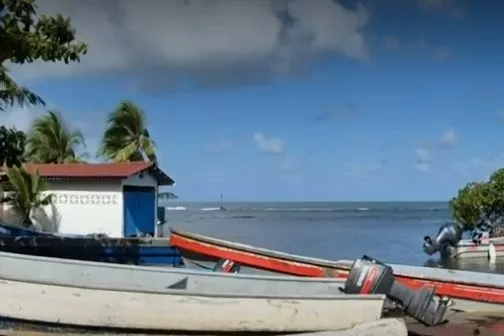
Stranded migrants are giving up on reaching the United States and now seek only to return home from a remote Panamanian port. In the community of Miramar, located in the Colón Province, dozens of people wait for passage after abandoning their northbound journeys through the treacherous Darien Gap. Local residents, overwhelmed by the humanitarian need, are pleading for permanent government assistance and increased security.
The migrants’ presence has become a semi-permanent feature at the Miramar dock on the Costa Arriba coastline. Many have waited for weeks without a clear way forward. Their immediate goal is no longer the American Dream but a safe voyage back to their countries of origin in South America or the Caribbean. This shift highlights a growing reversal point in regional migration patterns.
Community Steps Up Amid Institutional Void
With no formal state support system in place, Miramar’s residents have taken responsibility. They provide temporary shelter, food, and basic care for the stranded individuals. This community aid fills a critical gap, officials have not established a sustained response plan for migrants choosing to turn back. The situation strains local resources and raises safety concerns for everyone involved.
“I have been waiting for two weeks to be able to leave, and then that accident happened. They charged me 180 dollars, which was all I had,” one migrant told TVN. [Translated from Spanish]
Two migrant fatalities from boat sinkings have been recorded at this port already in 2025. These tragedies have heightened local fears about the unregulated and dangerous nature of the return voyages. Residents argue that constant official oversight is needed to prevent further loss of life.
Residents Demand Permanent Security Presence
A local woman voiced the community’s collective frustration with the sporadic government response. She explained that requests for a permanent migration office and naval post were first made in December 2024. The authorities, she said, conduct brief visits but do not maintain a continuous presence to manage the flow of people or ensure safe transit.
“Since December of last year, all of that was discussed, that they would put a migration office and an Aeronaval office here. The authorities come and then they leave the same day,” the resident claimed. [Translated from Spanish]
Her call is for a dedicated office from the Aeronaval (Panama) service and the National Migration Service. A fixed post would allow for proper registration and safer coordination of migrant movements. It could also deter the smugglers who exploit people’s desperation for return trips.
The migrants in Miramar carry the heavy burden of shattered hopes. They originally left families behind, aiming to secure a better life through work in the north. Their current predicament, stuck and seeking a way back, underscores the extreme perils of the migration route. The journey’s dangers have ultimately overridden their initial aspirations.
This unfolding scenario in Colon presents a complex challenge for Panamanian officials. It merges humanitarian needs with local security concerns. The national “Guardianes 2026” security operation plans protection for over 160 points nationwide, but residents question if their remote dock will receive the permanent attention it clearly requires.