


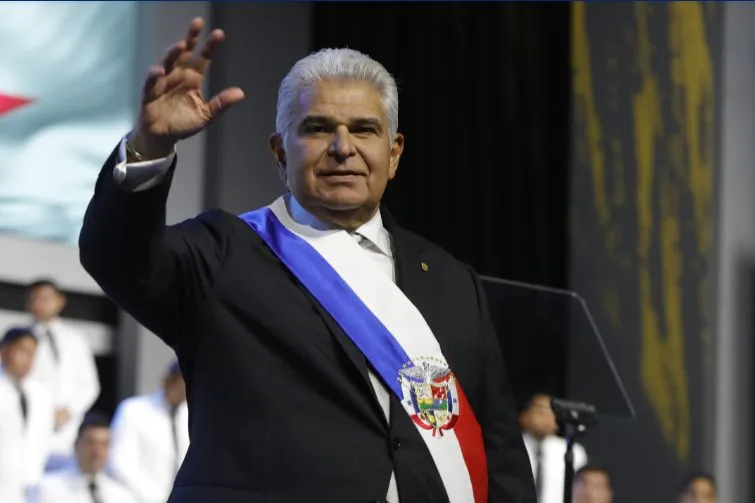
Panamanian President José Raúl Mulino addresses the nation from the legislative chamber on Friday, January 2. His speech formally opens the new ordinary session of the National Assembly of Panama and sets the governing priorities for the coming year. The event serves as a critical barometer for the relationship between the executive and legislative branches amid a politically fragmented environment.
Mulino previewed his address in a social media post on Thursday, promising significant announcements. He framed the upcoming year as one focused on continued work for national improvement.
“We begin a new year with the same drive and desire to keep working hard, for and by you, and for this beautiful country. Tomorrow [today], from the National Assembly, we will deliver our message to the nation, with the transparency and commitment that have always guided our work. We continue advancing so that 2026 is a better year for Panama!!” [Translated from Spanish]
The president’s agenda is expected to outline his administration’s key legislative and policy goals. Observers will scrutinize the speech for details on economic strategy and social initiatives. His ability to secure legislative support for these plans remains an open question.
A Divided Legislature Awaits Presidential Agenda
Mulino’s address occurs against a backdrop of legislative uncertainty. The Assembly, still presided over by Panameñista deputy Jorge Herrera, enters the new session without clearly defined priorities. Cohesion is notably absent.
Parliamentary dynamics have been strained by deepening rifts between the independent bloc and traditional party deputies. This friction complicates consensus building on any major presidential proposals. Herrera initially secured the Assembly presidency with support from the Vamos coalition and other allies, but that alliance has shown signs of fracture.
Tensions between Vamos and Herrera became public at the close of the last legislative session in October. Deputies from the independent bloc publicly criticized the Assembly president for unmet commitments. Their list included a failure to advance promised anti-corruption bills, a core pillar of the Vamos platform.
The group now vows to be more forceful with its demands in this new session.
Mining and Economic Issues Loom Large
Contentious national issues will heavily influence the legislative year. The future of mining in Panama continues to generate intense political and social debate. The topic represents a persistent challenge for the President of Panama and the Assembly alike.
Legislative sources indicate the Mulino administration may present its stance on mining during the first quarter. This potential move adds immediate pressure to both the presidential agenda and the legislative calendar. Other economic matters, including debates over ethanol and infrastructure funding, also demand attention. Major projects like este nuevo Metro Line 3 highlight the ongoing balance between development and fiscal responsibility.
Today’s presidential address therefore inaugurates more than a procedural session. It opens a decisive phase for Panama’s governance. The president’s message, the fragile legislative alliances, and the nation’s most sensitive issues all converge in the National Assembly chamber. The path forward depends on the political will revealed in the coming hours and weeks.