


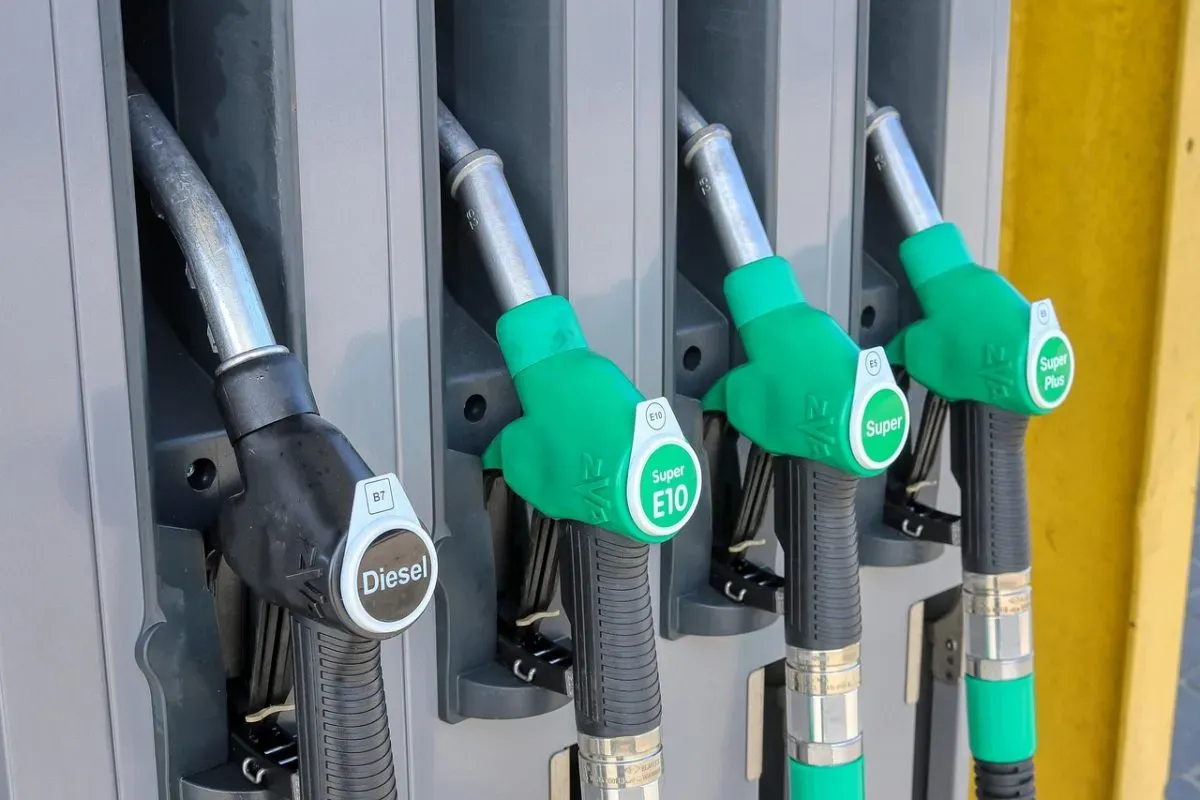
A major legislative push to mandate ethanol in Panama’s gasoline supply has sparked debate over transparency and potential conflicts of interest. The discussion unfolded during a public forum at the National Assembly of Panama on Thursday, January 15. Lawmakers examined Bill 443, which would require all gasoline sold in the country to contain a 10 percent blend of anhydrous bioethanol.
The forum, organized by the Assembly’s Commerce and Economic Affairs Commission, brought together government energy specialists, industry representatives, and academics. While most speakers touted the environmental and economic benefits of biofuels, the session revealed that one of the four companies poised to enter the new market is linked to the family of Panama’s top financial auditor, Comptroller General Anel Flores.
Legislative Push for Ethanol Blend Faces Scrutiny
Paula Mesé, a technical energy specialist with the National Energy Secretariat, opened the forum with a strong endorsement of the proposed law. She framed the legislation as a strategic move to reduce Panama’s total dependence on imported petroleum. The country currently consumes approximately 340 million liters of fuel annually, all of it brought in from abroad.
“Everything is imported,” Mesé stated. [Translated from Spanish] She described anhydrous bioethanol as a cleaner, more efficient alcohol derived from sugarcane. “It promotes engine efficiency,” she argued, also positioning it as a potential buffer against high global fuel prices. “At times when gasoline has been above $3, ethanol would have made a difference in the price.”
Her presentation aligned with the government’s view that the law would stimulate agricultural investment and job creation. Mesé assured attendees the national fuel standard would align with international quality benchmarks. The debate took place in a legislative auditorium filled with stakeholders largely supportive of the ethanol mandate.
Four Companies Identified as Early Market Entrants
The session took a pointed turn during a question-and-answer period. Deputy Alexandra Brenes, a member of the Vamos bloc and the Commerce Commission, pressed for specifics. She asked a direct question about which companies had expressed concrete interest in building the biofuel production plants necessary to fulfill the law’s requirements.
Paula Mesé provided four names: Central Azucarera La Estrella S.A., Azucarera Nacional S.A., Central Azucarero La Victoria, and Central Azucarero Alanje. She clarified these were not the only companies that could eventually participate, noting the legislation would create permits for both biofuel production and storage. Any individual or legal entity meeting the requirements could apply.
“All those individuals and legal entities that meet the requirements can obtain a biofuel plant permit,” Mesé explained. [Translated from Spanish] She added that other sugar mills had been invited to consultations but had not yet declared formal interest in the project.
The inclusion of Central Azucarero Alanje immediately raised eyebrows among observers familiar with Panama’s corporate landscape. Public records show the company is linked to the family of Comptroller General Anel Flores. Flores has previously acknowledged his shareholding in the country’s sugar industry. An extraordinary shareholders meeting in November 2024 removed Anel Humberto Flores de la Lastra, the comptroller, from the company’s board of directors.
Substantial Investment Required for New Industry
Creating a domestic ethanol industry from scratch would demand significant capital. Rodrigo Cardenal, president of the Panamanian Sugar and Alcohol Association (Azucalpa), provided detailed cost estimates during the forum. He calculated the need for roughly 22,000 additional hectares of sugarcane cultivation to meet the 10 percent blend target.
The financial outlay extends far beyond land. Rodrigo Cardenal stated that acquiring the necessary land would cost around $250 million. Building the distilleries and factories to process the sugarcane into fuel-grade ethanol, which do not currently exist in Panama, would require another $120 million or more. This figure excludes additional capital for machinery and new personnel.
These projections highlight the high-stakes economic transformation Bill 443 seeks to trigger. The law would create a captive market worth hundreds of millions of dollars for a small group of early investors. This context makes the potential involvement of a company connected to a senior government auditor a sensitive issue. The Office of the Comptroller General of the Republic oversees public procurement and fiscal auditing, though it would not directly regulate the new biofuels market.
Industry Voices Call for Cautious, Flexible Implementation
Not every forum participant offered unqualified support. Rodrigo González, a representative for vehicle distributor Ricardo Pérez, urged lawmakers to look beyond theory. He agreed with the principle of biofuels but cautioned that the law must account for Panama’s existing vehicle fleet, which he described as mature and composed of many different generations of technology.
González advocated for a law enabling a flexible and gradual energy transition. His comments suggested a concern that a swift, mandatory blend could have unintended consequences for consumers if not carefully managed. This call for a measured approach contrasts with the government’s apparent urgency to pass the legislation and launch the new industry.
The emergence of a potential conflict of interest adds a complex political layer to the technical debate. Comptrollor Anel Flores is no stranger to overseeing major national projects, but this situation places a company linked to his family in a position to benefit directly from legislation moving through the government he is tasked with auditing. The comptroller’s office has not issued a public statement regarding the forum’s revelations or any plans for Flores to recuse himself from matters related to the biofuels sector.
Bill 443 now moves through the legislative process with these questions lingering. The Commerce Commission, chaired by Deputy Ernesto Cedeño, will continue its analysis. Lawmakers must weigh the promised benefits of energy diversification and agricultural growth against the need for transparent, conflict-free market development. How they address the concerns raised about Central Azucarero Alanje could significantly influence public and political perception of the entire initiative.