


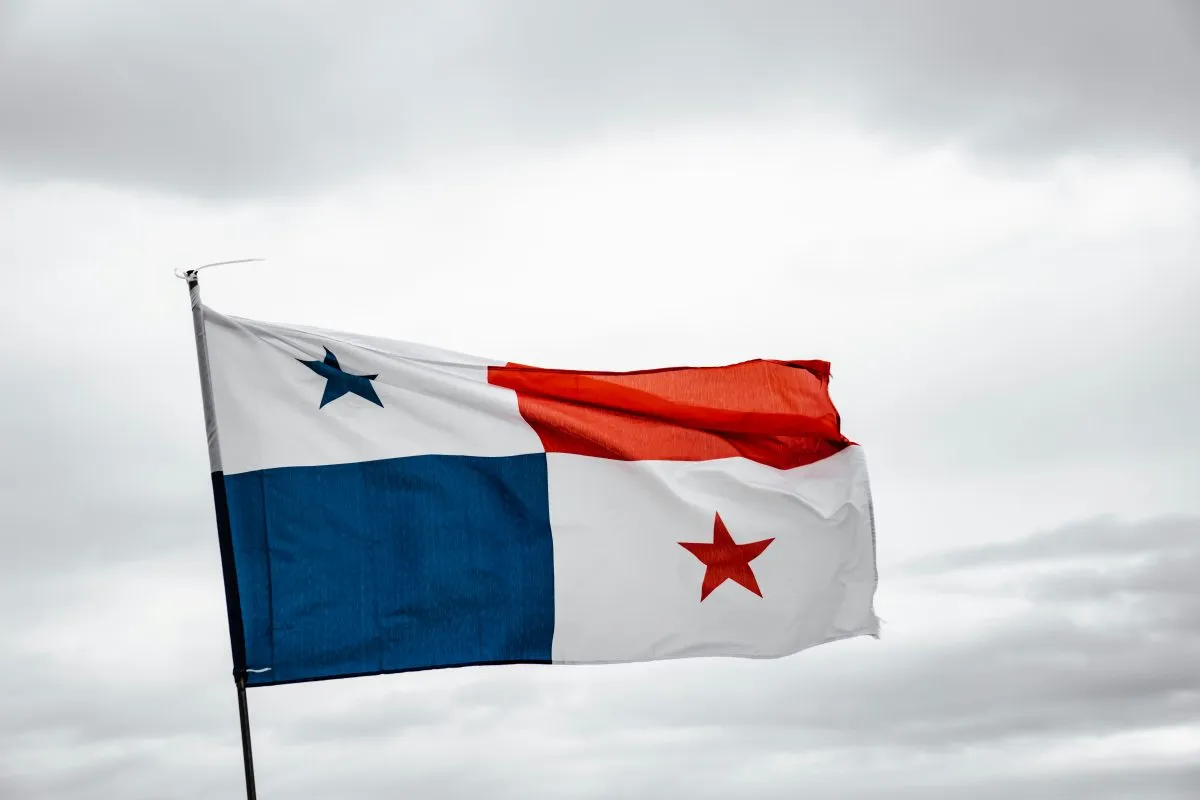
A new regional risk assessment places Panama among Latin America’s top democracies but warns of significant pressures from organized crime, high public debt, and a tense geopolitical climate. The “Political Risk Latin America 2026” report, published Wednesday by the Pontifical Catholic University of Chile’s Center for International Studies (Ceiuc), highlights the country’s structural vulnerabilities. These challenges come despite Panama securing the fifth-highest democratic ranking in the region.
The report cites the annual Democracy Index (The Economist Intelligence Unit), where Panama ranks 47th globally. Its score of 6.84 categorizes it as a “flawed democracy,” a group characterized by competitive elections and political alternation but hampered by institutional weaknesses. Analysts point to issues with state performance and citizen trust as ongoing concerns.
Security Concerns and Criminal Economies
Panama recorded 21 events linked to criminal economies in 2024 according to the study. These incidents primarily involved irregular migration, arms trafficking, smuggling, and illegal fishing. While this level is lower than neighbors like Colombia or Ecuador, it firmly integrates Panama into regional corridors used for illicit activities. The country’s logistical and transit role makes it a natural target for transnational organized crime networks.
InSight Crime data referenced in the report shows Panama’s homicide rate reached 12.9 per 100,000 inhabitants in 2024. That figure sits below several Caribbean and Central American nations but remains higher than South American economies like Chile and Uruguay. The persistence of violence underscores the complex security environment.
“Panama maintains elections and political alternation, but presents weaknesses in institutional quality, citizen trust, and state performance,” the report states. [Translated from Spanish]
Officials have recently focused on migration as a security issue. President José Raúl Mulino claims to have ended migration through the Darién Gap, a policy shift connected to the hardline stance of the Donald Trump administration in the United States. The report argues migration flows are increasingly instrumentalized for political pressure, creating extra tension for transit countries like Panama.
The Fiscal ‘Triple Lock’ and Debt Burden
Panama’s fiscal health presents another major challenge. The country’s public debt stands at 59% of GDP, a mid-range level for Central America. The report describes this as part of a regional “triple lock” pattern. This scenario combines limited fiscal space, high debt, and constrained revenue-raising capacity, severely limiting a state’s ability to respond to external shocks or social demands.
Data from Panama’s Ministry of Economy and Finance (MEF) shows the problem is growing. Between January and October 2025, public debt increased by $5.023 billion. That increase averaged nearly $700,000 per hour. Total public debt reached $58.832 billion by the end of last October, forcing the government to draft a fiscal correction plan. This fiscal pressure occurs alongside significant private investment in sectors like healthcare, as seen when a consortium of investor private universities purchased Panama City’s Santa Fe Hospital.
The mounting debt restricts Panama’s policy options at a critical time. Global economic uncertainty and domestic needs demand flexible state resources which are currently tied up in debt servicing.
Geopolitical Exposure in a Divided World
Panama finds itself highly exposed to global geopolitical reconfigurations, the report concludes. A second Trump term in the United States, intense U.S.-China rivalry, and weakened multilateral institutions increase pressure on strategic territories. The Panama Canal, a vital global trade artery, sits at the center of these tensions.
“In Panama, Donald Trump claimed that China ‘operated’ the Canal and threatened to ‘recover it’ to curb its links with Beijing,” the report notes. [Translated from Spanish]
This rhetoric references the updated Donroe Doctrine, a modern application of the Monroe Doctrine implemented in Washington’s December 2025 security strategy. Regional upheavals, including the capture of Venezuela’s Nicolás Maduro, add layers of complexity. While not cast as a primary protagonist in interstate conflicts, Panama must navigate its foreign relations with extreme caution. The goal is to avoid becoming trapped in escalating geopolitical alignment disputes.
The “Political Risk Latin America 2026” report serves as an analytical tool for governments and investors. Its co-editors, Ceiuc director Jorge Sahd K. and senior researcher Daniel Zovatto, provide this annual assessment to forecast regional instability. For Panama, the message is clear. Its democratic credentials provide a strong foundation, but concurrent fiscal, security, and diplomatic storms will test its institutions in the years ahead. The country’s response will determine its trajectory within a rapidly changing Central and South American landscape.