


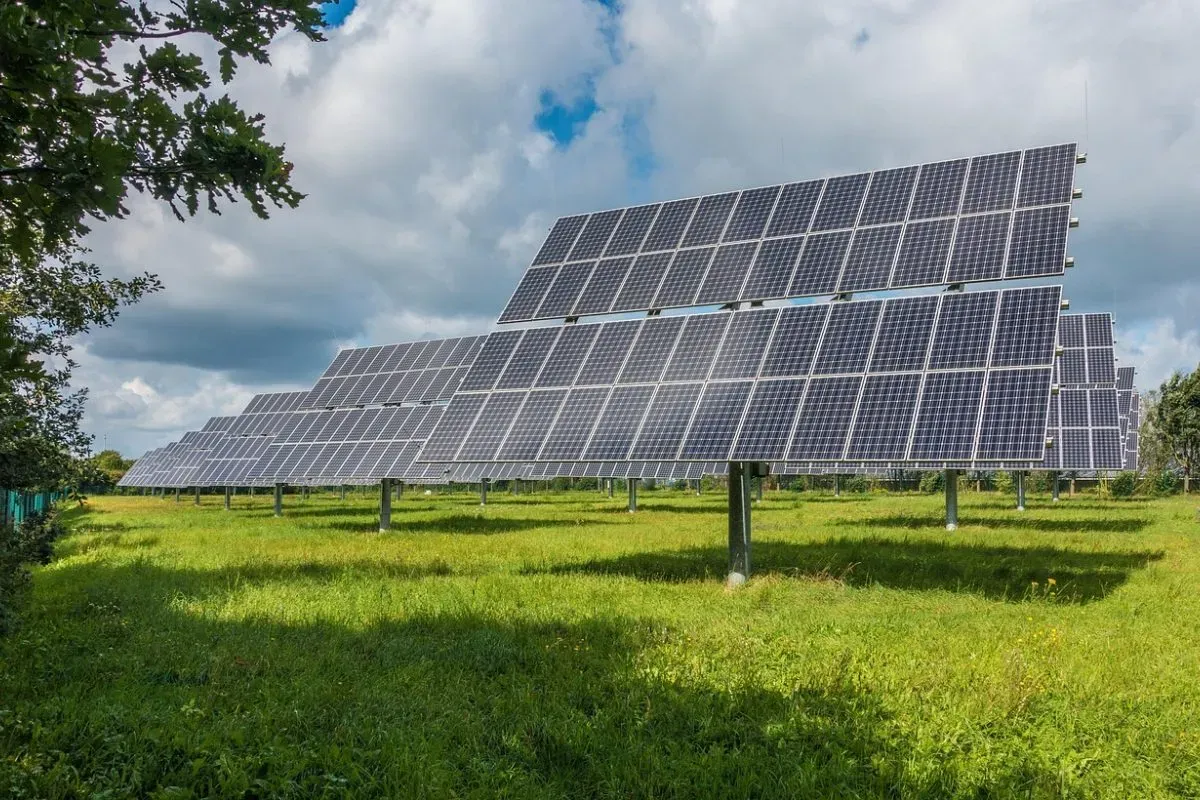
Panama’s National Authority of Public Services has raised the country’s cap on solar self-consumption. The regulatory body increased the limit from 4 percent to 5 percent of total electricity demand this week. This decision provides immediate relief for the fast-growing solar installation sector, which was rapidly approaching the previous ceiling. The change was formalized through Executive Decree 21,235 and also increases the total solar energy participation cap in the national grid from 13 percent to 16 percent.
📑 Table of Contents
Official data indicates Panama now has over 7,000 solar self-consumption systems connected to the national grid. These installations span residences, businesses, and industrial operations among the country’s 1.3 million electricity customers. The nation has accumulated approximately 192 megawatts of installed solar capacity under self-consumption models, primarily on rooftops. An additional 618 megawatts come from larger solar projects feeding directly into the wholesale electricity market.
“The increase from 4% to 5% is good news, without a doubt, but we continue waiting for a comprehensive technical ruling that allows for informed decision-making about the true potential of self-consumption in Panama,” said Jesús González, executive director of the Panama Solar Energy Chamber. [Translated from Spanish]
The adjustment arrives as a temporary solution for an industry facing structural bottlenecks. González explained the sector currently employs more than 4,000 people. He argued that greater regulatory openness could create more green jobs and attract new investments in installation, engineering, maintenance, and financing. The Panama Solar Energy Chamber projects that distributed generation will reduce 3.8 million tons of carbon dioxide emissions between 2021 and 2030.
Regional Disparities in Solar Adoption
Geographic distribution of solar projects reveals significant contrasts across Panama. Panama Province leads with 3,233 installed systems, followed by West Panama with 1,181 and Veraguas with 421. These three regions concentrate the majority of national projects. Other provinces show more limited adoption. Herrera has 571 customers, Coclé has 478, and Chiriquí has 446. Colón reports 319 systems while Los Santos has 279. Bocas del Toro presents a marginal participation with only three connected customers.
Industry representatives attribute this disparity to varying economic activity and persistent administrative barriers. They note that provinces with high solar potential, like Chiriquí, face particular difficulties connecting new projects to the grid. The existing self-consumption procedure dates back to 2016. Specialists contend it no longer reflects technological advances or current market conditions. The process establishes theoretical approval timelines of up to 45 business days. Practical implementation often takes much longer, affecting project planning and costs for the sector.
Recent digitalization efforts offer some hope for improvement. The solar chamber highlighted work initiated with the Panama City Mayor’s Office to modernize blueprint and permit management. This measure could accelerate the execution of new projects once fully implemented. The country incorporated over 40 additional megawatts of solar energy during 2025. This growth consolidated the cumulative expansion of self-consumption systems through December.
Environmental Impact and Future Goals
Current solar systems across Panama prevent the emission of more than 163,000 tons of carbon dioxide annually. The Panama Solar Energy Chamber equates this environmental benefit to removing 35,500 vehicles from circulation. In terms of carbon dioxide equivalent, the achievement marks significant progress toward national sustainability targets. The chamber also estimates distributed generation will reduce state subsidies and improve the country’s financial sustainability in the coming decade.
Despite notable growth, solar self-consumption remains a small portion of Panama’s total energy system. Penetration levels vary between 1.5 percent and 3.5 percent of consumption depending on the local electricity distributor. Most customers who install solar panels fall under the BTS tariff regime. This category includes residences and small businesses with a maximum demand of 15 kilowatts or less. The recent regulatory change by the National Authority of Public Services (Panama) prevents an imminent freeze on new installations but does not represent a long-term strategy.
Industry leaders are now pushing for a comprehensive update to the National Distributed Solar Generation Strategy. That plan originally set a goal of 1,700 megawatts of solar capacity. The sector insists the mid-term roadmap requires revision to reflect current technological and economic realities. They argue that agile, modernized rules are essential for Panama to harness its full solar potential. The call for reform comes as other major infrastructure projects, overseen by the Director Executieve of state entities, advance across the country.
Panama’s solar industry now operates with slightly more breathing room. The increased cap allows for continued growth in the immediate term. The fundamental challenge of outdated procedures and regional bottlenecks, however, remains unresolved. The sector’s future expansion depends on deeper regulatory reforms that match the pace of technological innovation and market demand. Industry advocates will likely continue their push for a more permanent and ambitious framework in the months ahead.