


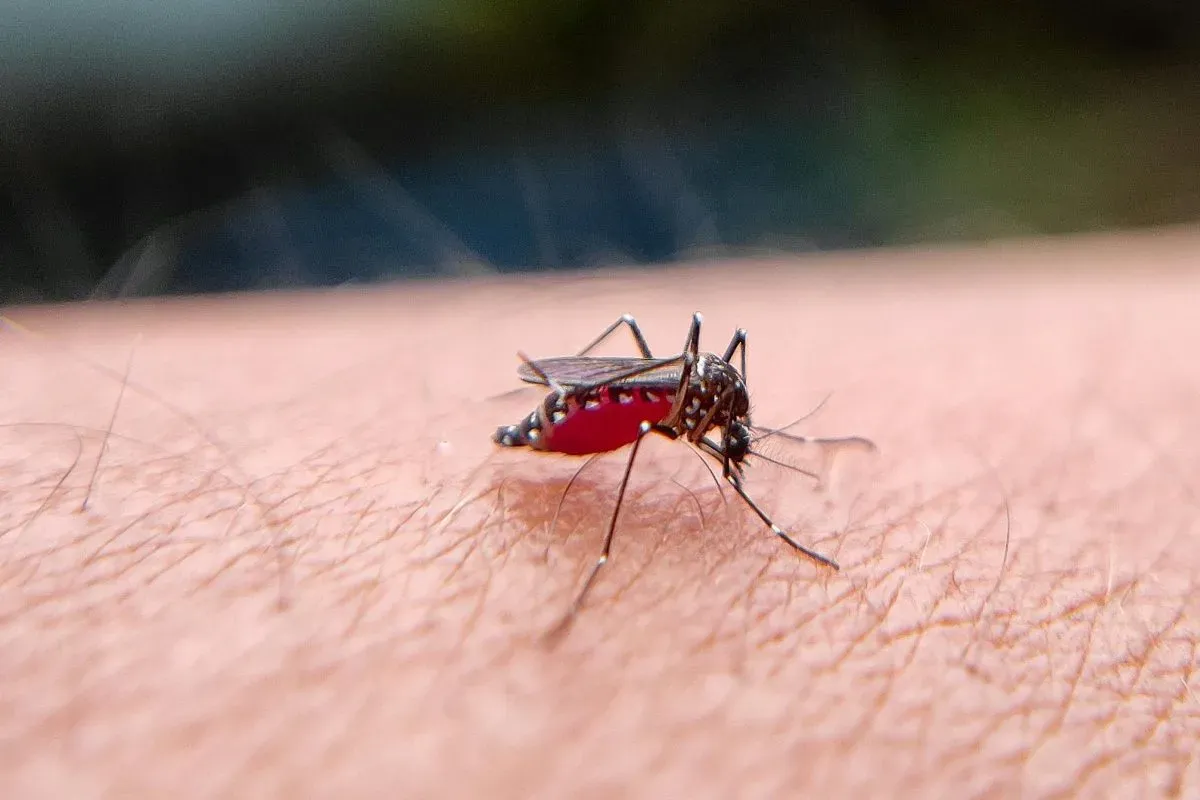
Panama’s Ministry of Health confirmed approximately 100 cases of dengue fever during the first epidemiological week of the new year. The data, covering January 4 to 10, shows no severe cases or deaths so far, but health officials are intensifying national prevention efforts. This early surge has prompted a renewed focus on vector control and public cooperation to curb transmission.
The national epidemiology report breaks down the 100 cases into 90 without alarm signs and 10 with alarm signs. Nine patients required hospitalization, though none developed into severe dengue. The country’s incidence rate currently sits at 2.2 cases per 100,000 inhabitants, a figure health authorities are monitoring closely.
“The Ministry of Health has intensified vector control operations across the entire country, alongside Health Promotion strategies, with the goal of reducing dengue transmission during 2026.” [Translated from Spanish]
Immediate response plans are already in motion. Teams are targeting mosquito breeding sites, and the public is being urged to eliminate standing water around homes. Officials stress that community participation is critical for the success of these measures, especially with the rainy season creating ideal conditions for mosquito proliferation.
Regional Case Distribution and Vulnerable Groups
Case distribution varies significantly across Panama’s regions. The Metropolitan Health Region leads with 25 confirmed cases, followed by the Colon region with 13. Areas like Bocas del Toro, Panama Norte, and the San Miguelito district each reported 10 cases. Several regions, including Darien and Guna Yala, recorded zero cases for the week.
At the local level, the Cristobal district in Colon reported six cases, while the Belisario Frias area in San Miguelito confirmed five. The most concerning statistic for health planners involves the most affected age group. Infants under one year old currently have the highest incidence rate, putting a particularly vulnerable population at risk.
This situation in San Miguelito occurs as local governance faces other public health challenges, including a separate ante este environmental management issue that can influence mosquito breeding. The Ministry’s broader strategy, as detailed in a recent minsa inform announcement, involves systemic reforms to strengthen the public health response.
Public Health Recommendations and Symptoms
Health authorities are repeating clear guidance for residents. They recommend discarding unused containers that collect water, such as cans, bottles, and old tires. Useful water storage containers should remain tightly covered, and yards should be cleaned frequently to remove potential mosquito habitats.
Recognizing dengue fever symptoms is the first step toward getting proper care. Common signs include high fever, severe headache, general malaise, muscle and joint pain, and pain behind the eyes. The ministry explicitly warns against self-medication, especially with anti-inflammatories like ibuprofen or aspirin, which can complicate bleeding risks associated with dengue.
Anyone suspecting they have dengue should seek immediate medical attention. This is especially crucial if alarm signs appear, such as severe abdominal pain, persistent vomiting, bleeding gums, fatigue, or restlessness. Early professional care drastically improves outcomes and helps prevent the progression to severe dengue, which can be life-threatening.