


The central Panamanian province of Cocle is actively redefining its economic identity. Business leaders and economists presented a strategic vision for the region this week, pinpointing agro-exports, tourism, and mining as three critical pillars for growth and job creation by 2026. The analysis emerged from the “Vision Cocle 2026” economic forum organized by local media, highlighting both the province’s significant potential and its pressing unemployment challenge.
Officials warned that recent employment data for the province should serve as a major alert. The unemployment rate in Coclé Province increased from 23% to 24% between 2023 and 2024. When combined with widespread informal work, this leaves over 100,000 people outside the formal employment sector. Generating formal jobs is now the absolute priority for regional development.
“The priority today is generating formal employment,” said Gabriel Diez Montilla, president of the National Council of Private Enterprise (Panama). “We cannot accept ‘yes’ just because, nor ‘no’ just because.” [Translated from Spanish]
Diez Montilla stressed that the conversation around contentious projects like mining must move beyond absolute positions. He called for a national dialogue grounded in clear rules, strict environmental standards, and tangible benefits for the country.
Agro-Industrial Strength as a Launchpad
Agro-exports stand out as a sector with immediate potential for expansion. Coclé is home to strategic national assets, including the country’s two largest sugar mills, major food processing plants, and extensive agricultural production zones for crops like rice. This existing infrastructure provides a powerful foundation for further development.
Diez Montilla argued this base can be significantly enhanced. He pointed to the possibility of developing new value chains, such as producing ethanol fuel from local sugar cane. Such initiatives could reduce costly imports and keep more revenue circulating within the national economy. The focus is on building higher-value activities atop the province’s traditional farming strengths.
Tourism Beyond Large-Scale Resorts
While large-scale Pacific coast developments are part of the picture, forum participants emphasized the untapped power of internal and community-based tourism. Cultural festivals, rural lodgings, and small entrepreneurial ventures can become robust engines for local job creation, engaging a broader segment of the population.
“It is not only large-scale tourism. It is the kind that allows the artisan, the producer, and the entrepreneur to participate in the economy,” Diez Montilla explained. [Translated from Spanish]
This approach aims to decentralize economic benefits. It connects visitors with authentic local experiences while directly supporting small business owners and families across Coclé’s diverse communities.
The Mining Debate and Infrastructure Imperative
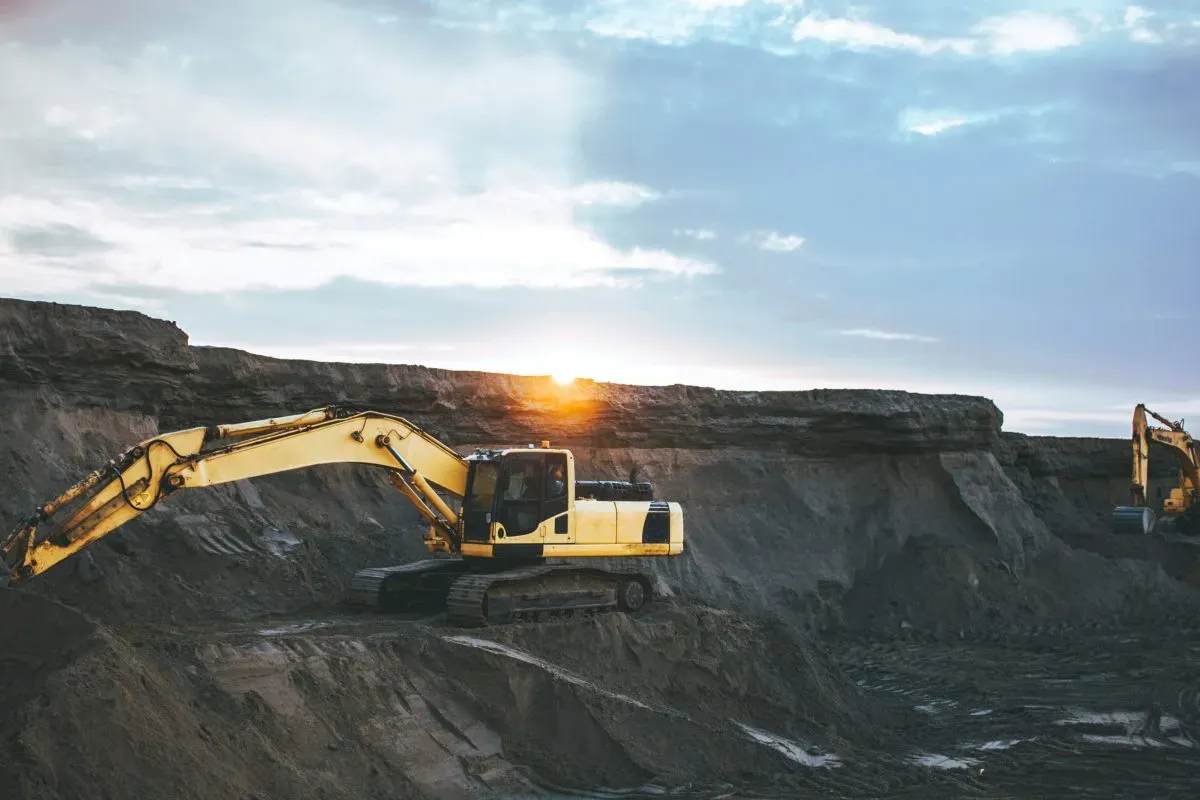
The future of the Cobre Panama copper mine remains a central and complex part of Coclé’s economic equation. Maru Gálvez, public relations manager for the mining operation, clarified the project’s current status. It is in a preservation and safe management phase, which itself requires operational work.
Gálvez noted that part of the current task involves “attending to the rock that was removed from the mine and must be ground.” [Translated from Spanish] This process demands additional technical and operational labor even during the care and maintenance period. The mine’s direct impact on employment and state revenue was acknowledged as a significant factor in the regional economy.
Separately, Diez Montilla raised the proposed Rio Indio reservoir project as another critical national conversation. He urged an analysis “without passions, without politics, and with certainty about what the country needs to advance.” [Translated from Spanish] He framed water security as a fundamental issue for all development, including the operation of the Panama Canal.
Private Investment as the Key Driver
Macroeconomic analyst Eric Molino Ferrer supported the forum’s core thesis. He agreed that reactivating private investment will be decisive for both Coclé and Panama as a whole. With public investment reduced due to fiscal adjustments, the country must rely more heavily on the private sector to close gaps in infrastructure and employment.
“All of this has to translate into jobs,” Molino Ferrer emphasized, pointing specifically to youth and women where unemployment exceeds 24%. [Translated from Spanish]
He observed that recent improvements in the country’s risk rating and signals toward a potential mining reopening have been viewed positively by international markets. The enduring challenge, however, is converting economic growth into tangible well-being for the population. This means ensuring that major investments, no matter the focus, create sustainable local opportunities.
The economist warned that the real test is turning figures on a spreadsheet into real paychecks and community development. The recent allocation of funds from mining, as seen in other Panama mining related activities, exemplifies the type of direct benefit that must be part of the equation.
The Vision Cocle 2026 forum ultimately painted a picture of a province at a crossroads. It possesses undeniable assets in fertile land, cultural heritage, and mineral resources. The path forward requires pragmatic collaboration between the government, the private consejo nacional, and communities. The goal is to build a diversified economy where growth in agriculture, tourism, and potentially mining translates directly into formal, high-quality jobs for the people of Coclé.