


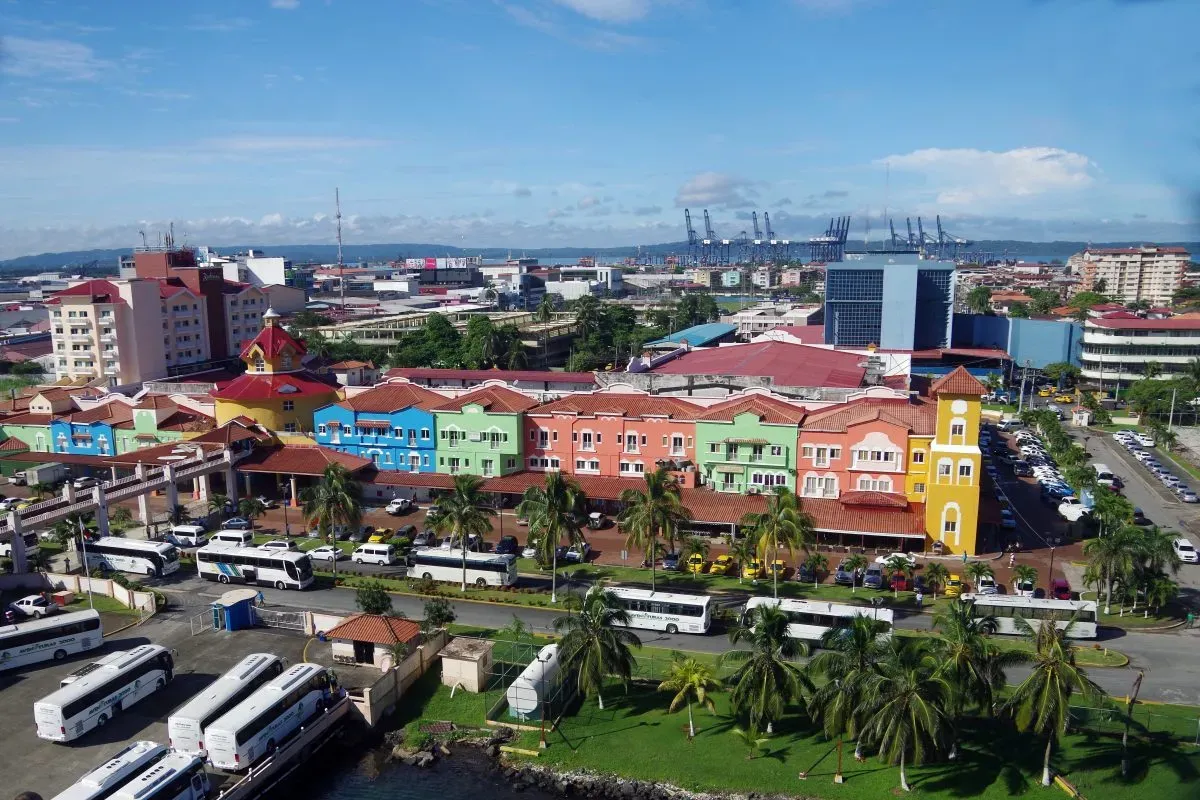
Business leaders and economists issued a unified call for urgent action to address deep-seated inequality in Panama’s Colón Province, Panama. They made the appeal during the Vision Colón 2026 forum organized by La Prensa newspaper on Thursday, January 22. The province must leverage private investment and coherent state planning to convert its crucial economic role into tangible social progress.
Participants focused on the stark contrast between Colón’s strategic importance to national logistics and its persistent social deficits. The forum aimed to move beyond analysis and identify concrete steps for generating employment and reactivating key sectors like tourism and energy.
A Province of Stark Contrasts
Economist Juan José Barrios from the Inter-American Development Bank framed the central challenge. Panama shows solid regional economic performance, he noted, but Colón’s issue isn’t generating more activity. The real test is ensuring that growth improves living conditions for all residents.
“Colón is one of the most unequal provinces in one of the most unequal countries in the world,” Barrios stated. [Translated from Spanish] He pointed to limited access to basic sewerage and sanitation services as clear reflections of this reality. While acknowledging progress in electricity coverage and waste collection, he insisted structural deficiencies continue to hinder human development.
Barrios identified logistics, transport, and tourism as potential engines for job creation. Their success depends entirely on adequate territorial planning, he argued. Colón’s coastal tourism potential could significantly boost the national services balance if developed under clear sustainability criteria.
Ground-Level Challenges and Misperceptions
Dominico Medina of the Colón chapter of the Panamanian Association of Business Executives (APEDE) provided a perspective from the front lines. Unemployment and informality form the root of many social problems in the province, he asserted. Medina warned of a generational disconnect in the labor market where prepared youth find no opportunities while older adults must keep working due to a lack of financial planning.
He also challenged the pervasive perception of insecurity in Colón. This stigma actively discourages investment and directly hurts tourism, Medina claimed. The negative image even influences cruise ship passengers who choose not to disembark, severely limiting the sector’s economic impact. Official 2025 data shows Panama Province recorded 357 homicides, Colón had 121, and Chiriquí reported 14.
During a question-and-answer session, the state of Colón’s historic district emerged as a critical concern. Medina argued that the current Historical Heritage Law has become a barrier to restoration. It prevents the productive use of emblematic buildings and stifles commercial and tourist development instead of promoting urban recovery.
Infrastructure and Education as Foundational Needs
Connectivity issues further complicate the path forward. Medina explained that inadequate road infrastructure, like the deteriorating Sabanitas-Pilón highway, limits access to beaches and reduces the destination’s competitiveness. Barrios agreed, cautioning that leveraging natural resources doesn’t happen automatically. It demands clear public policies.
“There are no quick fixes,” Barrios emphasized. [Translated from Spanish] “The key is strengthening education and the productive capabilities of the population so Colonenses can effectively integrate into sectors like logistics, energy, and services.”
Medina added that widespread informality remains a major obstacle for local development. It restricts access to credit and reduces the municipality’s capacity to collect taxes and offer services. Formalization and transparency are indispensable for rebuilding citizen trust and attracting sustainable investment, he concluded.
The forum ended with a direct call to action. Panelists agreed Colón does not need more diagnoses. It requires decisive steps and a long-term vision that combines employment, private investment, and effective public policy. This combination is the only way to transform the province’s undeniable strategic potential, underscored by its position alongside the Panama Canal, into lasting social well-being for its people. The push for this transformation continues in broader national dialogues, including Panama’s recent presentations to global investors.