


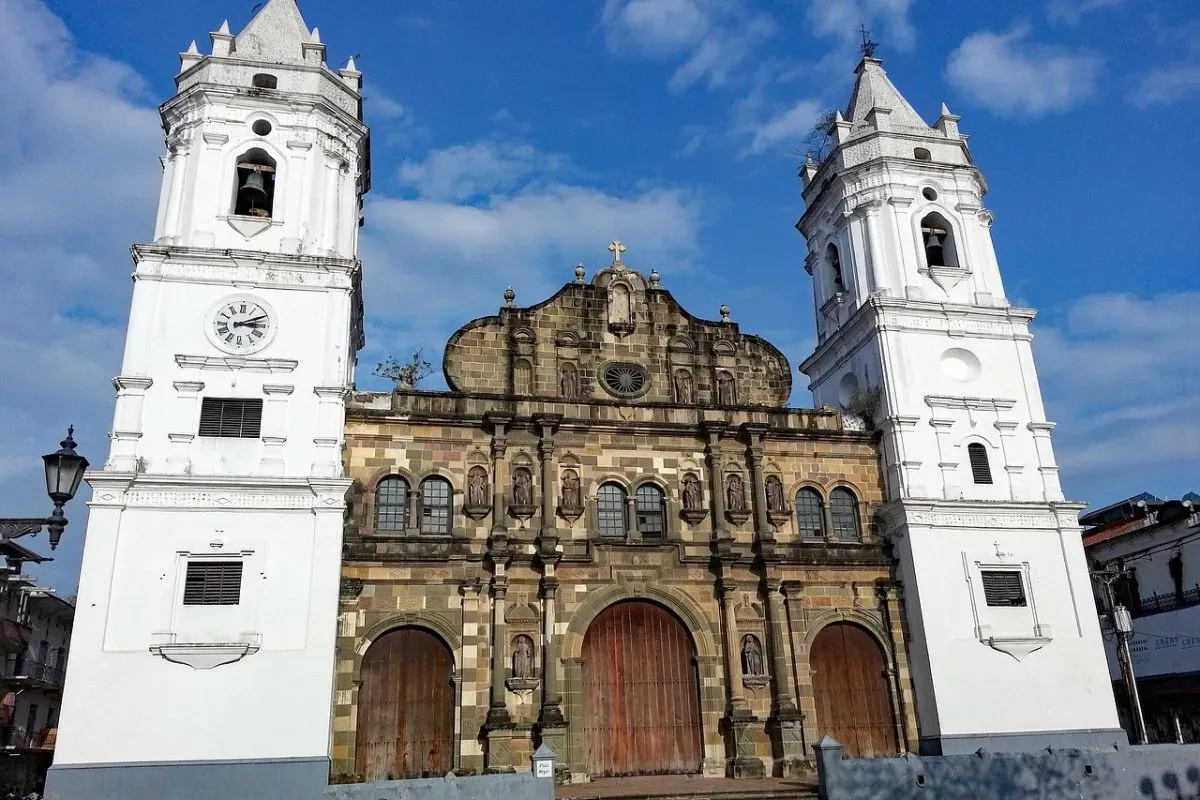
The Archdiocese of Panama has initiated a comprehensive, independent investigation into its handling of child and vulnerable person abuse cases spanning a 25-year period. Church officials announced the formation of a special Transparency Commission on January 28, 2026, a move aimed at scrutinizing institutional responses from 2001 through the present. This external review represents a significant step in the church’s stated policy of zero tolerance and transparency regarding abuse allegations.
The commission will conduct a holistic assessment, examining past cases through legal, clinical, psychological, sociocultural, and pastoral lenses. Its mandate is to identify strengths, weaknesses, and critical opportunities for improving how the church listens to, supports, and accompanies victims. The investigation will focus specifically on the actions and protocols of the Archdiocese of Panama itself.
“This project is born from the desire of the archdiocesan church to open ourselves with responsibility and transparency to the gaze of international experts to review how we have listened to, attended to, and accompanied those who have reported cases of abuse against minors and people in vulnerable conditions,” said Archbishop José Domingo Ulloa Mendieta. [Translated from Spanish]
Archbishop Ulloa stated the church is opening itself to this external review “with humility.” The goal is to strengthen victim support processes. An academic team funded by the University of Notre Dame in the United States will coordinate the inquiry, with specialists from Villanueva University in Spain also participating.
Scope and Methodology of the Transparency Commission
Father Jordi Pujol, the commission’s coordinator, explained the study aims to look beyond mere statistics. Investigators seek to understand how abuse events occurred and, crucially, how the institution responded at the time. The commission comprises experts in canon law, criminal law, psychology, communications, and child protection protocols.
Its diverse membership includes both Latin American experts and professionals familiar with the Panamanian context. Their work in Panama is scheduled to run from January 29 to April 30, 2026. During this period, the team will review institutional archives and conduct confidential interviews.
A key phase involves listening sessions with direct and indirect victims of abuse that occurred during their childhood or adolescence. These sessions will be coordinated through the archdiocese’s existing Office of Listening, adhering to strict confidentiality protocols to protect participants.
“The purpose is to carry out a holistic assessment that allows us to propose more effective mechanisms for accompanying victims, their families, and communities, and to guarantee that the archdiocesan church is a safe environment,” stated Father Jordi Pujol. [Translated from Spanish]
The commission’s final report is expected to be published in September 2026. Church officials have also established a dedicated, confidential email address (denuncia@comisiontransparencia.com) for individuals to report abuse directly to the investigative body.
Existing Structures and Reported Cases
This new investigation will build upon the work of the archdiocese’s Office of Listening, which began operations in March 2024. Psychologist Gerardo Guerrel, who leads that office, described the external intervention as a chance to strengthen their existing Pastoral Care and Prevention program.
Guerrel confirmed the office has received 11 formal complaints related to potential abuse cases since its inception. It has also fielded numerous requests for guidance and support. Most reported cases involve minors or other vulnerable individuals. He emphasized the office is not a judicial body but a safe, confidential space for initial containment and guidance.
“It creates conditions that allow people who have not reported to do so in a safe environment, avoiding re-victimization,” Guerrel said of the new commission’s role. The office refers complaints involving potential crimes directly to the appropriate civil authorities, such as the Public Ministry, to ensure due process.
Adrián Cuevas, the archdiocese’s legal consultant, clarified the church’s dual legal obligations. He stated the institution must act in accordance with canon law while simultaneously fulfilling its duties under Panamanian criminal and civil law. Upon learning of a potential abuse case, the church is committed to reporting it to competent authorities.
Cuevas highlighted the alignment between legal systems on core principles. Both canon law and Panamanian law prioritize the protection of minors. Both systems impose a duty to report abuse, a responsibility falling first on parents or guardians. Perhaps most critically, he noted these crimes do not prescribe under either legal code.
“A victim can file a complaint at any time, even in adulthood,” Cuevas underscored. This means legal pathways remain open for survivors regardless of when the abuse occurred. The archdiocese maintains its commitment to respecting due process and the presumption of innocence for all parties during any subsequent legal proceedings.
The announcement of this independent investigation marks a pivotal moment for the Catholic Church in Panama. It directly addresses long-standing global calls for greater accountability and victim-centric approaches within religious institutions. The coming months will reveal the depth of the commission’s findings and what specific reforms it will propose for the archdiocese’s future safeguarding policies.