


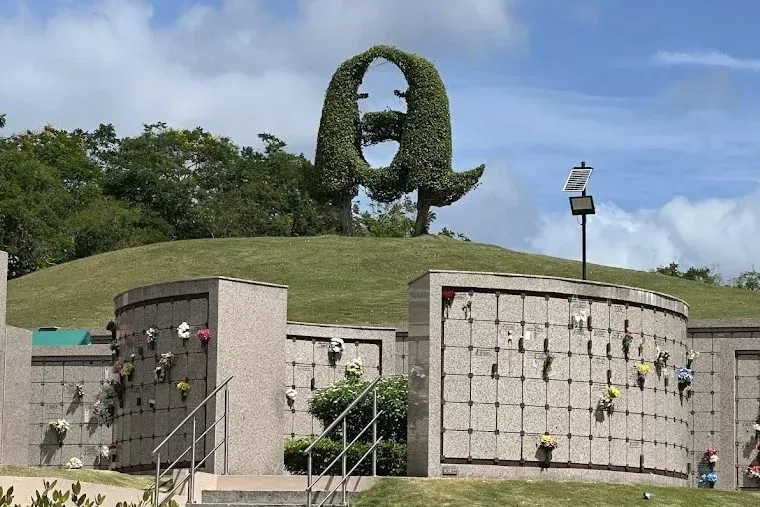
Panama’s December 20, 1989 Commission has announced a new phase of exhumations at the Jardin de Paz Cemetery. The work aims to identify victims of the United States military invasion that occurred that month. Specialized forensic teams will begin the process on Monday, February 2.
The effort is part of a long-running state initiative to provide answers to families. It focuses on graves containing unidentified human remains from the conflict. The Public Ministry is overseeing the operation, which will be conducted by Panama’s Legal Medicine and Forensic Sciences Institute (Imelcf).
“These actions are carried out with absolute respect for the dignity of the victims and their families, under strict forensic protocols and with institutional support.” [Translated from Spanish]
The commission stated this work is part of Panama’s efforts to guarantee the right to truth. It also serves to preserve national historical memory. Previous exhumations in this and other cemeteries have already led to the recovery of remains and key evidence.
Scientific Process Guides Recovery Efforts
Forensic experts will use internationally recognized technical and scientific standards. The methodology includes manual excavation, photographic and photogrammetric recording, and the identification of archaeological features. They will also document any findings relevant to criminalistics.
Once field work concludes, recovered remains will move to Imelcf laboratories. There, anthropological and genetic analyses will take place. Officials pledge to maintain a strict chain of custody throughout the entire process.
The team includes specialists in forensic anthropology. Their expertise is crucial for examining skeletal remains and interpreting trauma. This scientific approach strengthens processes of memory, truth, and reparation for affected families.
This phase will target a previously studied burial area. The goal is to finally put names to the unidentified individuals interred there. For many Panamanians, the United States invasion of Panama remains a painful and unresolved chapter in history.
A Long Path Toward Truth and Closure
The commission’s work represents a continuing state commitment. Identifying victims provides crucial closure for families who have waited decades. These forensic investigations are a cornerstone of transitional justice.
Similar processes have been undertaken in other nations recovering from conflict. They rely on meticulous science and compassionate procedure. The involvement of international forensic standards aims to ensure the findings are beyond reproach.
Panama’s efforts reflect a broader regional movement. Many Latin American countries are confronting historical human rights violations from their recent past. Truth commissions and forensic science have become key tools in that process.
The state conducts these exhumations as part of its duty to citizens. Officials say the work will continue until all possible leads are exhausted. They acknowledge the profound emotional weight these operations carry for the nation.
Field work is scheduled to start at 8:00 a.m. next Monday. The commission has not specified how long this phase will last. It depends entirely on the complexity of findings at the site. Each step, from excavation to laboratory analysis, is slow and deliberate.
For the families of the disappeared, this represents another fragile hope. They have lived with uncertainty for over three decades. Scientific identification offers the possibility of a proper burial and a definitive answer.
Panama continues to grapple with the legacy of December 1989. This forensic investigation is a quiet, determined effort to heal a national wound. Its success is measured not in speed, but in truth.