


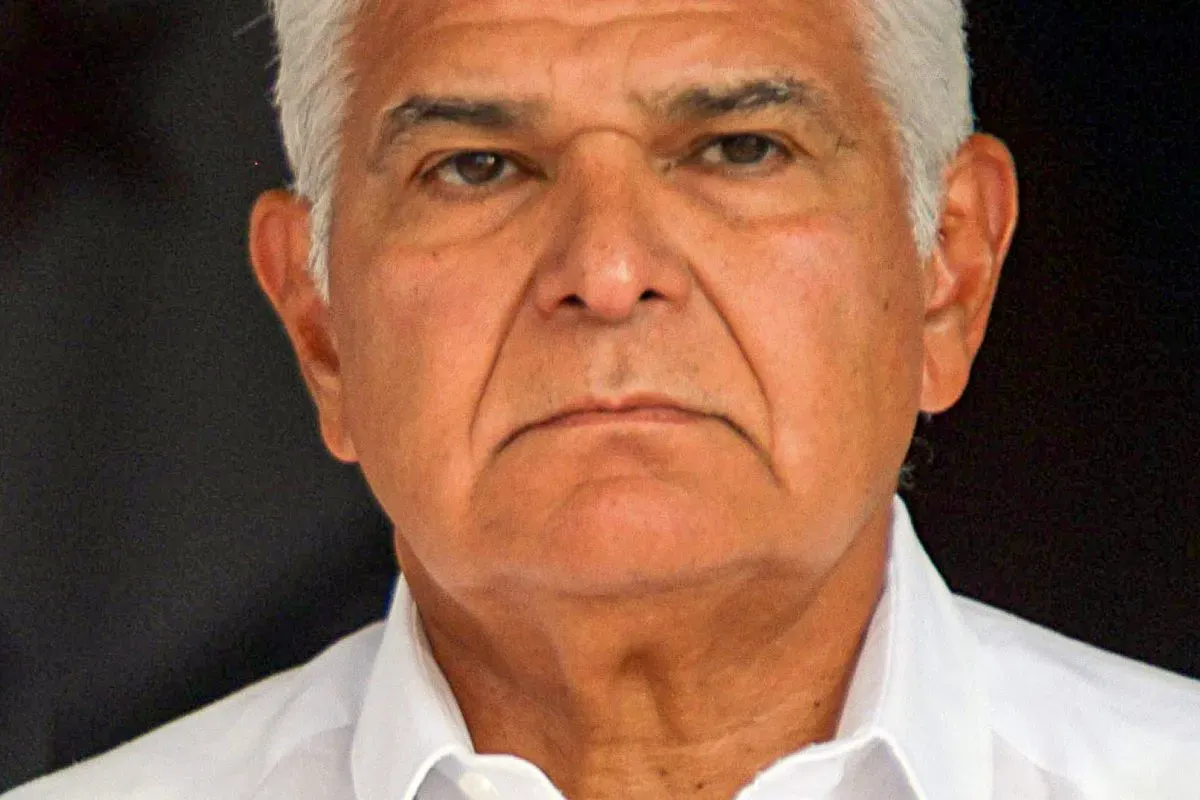
Panamanian President José Raúl Mulino is drawing intense scrutiny for what critics call a blatant double standard in his administration’s approach to justice. While the president publicly denounces judicial leniency for common criminals, his own actions have repeatedly granted clemency to political allies and convicted financiers. This contradiction has sparked a fierce debate about corruption and the rule of law in the Central American nation.
The controversy centers on Mulino’s frequent complaints about a “revolving door” in the judicial system, where suspects in serious crimes are quickly released by judges. He argues this practice endangers society and demoralizes police. Simultaneously, however, the president has used his executive authority to provide similar relief for individuals connected to his political circle, including those convicted of multi-million dollar financial crimes.
Executive Actions Contradict Public Rhetoric
Critics point to several specific instances where Mulino’s decisions appear to conflict with his tough-on-crime stance. One prominent case involved the president signing a safe-conduct pass for a convicted money launderer, allowing the individual to leave the country. The move was widely criticized after the individual publicly flaunted their freedom and wealth from abroad.
“He complains about common crime, but he doesn’t say a single word when those who receive the ‘favor’ are his buddies,” wrote analyst Rolando Rodríguez B. in a recent opinion piece. [Translated from Spanish]
Further allegations involve Mulino reducing the sentence for a thief convicted of stealing $2.5 million from a media outlet, an act some viewed as politically motivated. The administration has also faced questions over its handling of high-profile corruption cases, including one known as the “Diablos Rojos” indemnifications, where none of the 185 individuals implicated faced punishment. Observers note a pattern where the government’s aggressive posture toward street crime and organized crime does not extend to elite political or financial wrongdoing.
A Systemic Problem of Political Corruption
The criticism extends beyond individual pardons to systemic issues within Panama’s political class. Analysts argue that the separation between political corruption and common crime is artificial, with both draining public resources and undermining institutions. The practice of money laundering, often cited by Mulino as a national threat, is frequently linked to political figures.
Questions have also been raised about the legal representation of drug traffickers by attorneys who are simultaneously connected to Mulino’s political mentors. This overlap, critics say, reveals a deeply entrenched system where the lines between political power and criminal enterprise are often blurred. The president’s past support for a lawyer known to defend narcotics cases to lead the National Assembly is frequently cited as an example.
“If he is going to complain about common crime, that’s fine,” Rodríguez argued, “but don’t forget to include political crime in the same bag, especially that which is closer to you.” [Translated from Spanish] This sentiment reflects a broader frustration among commentators who see the administration’s actions as a form of selective justice that protects the powerful.
The unfolding situation presents a significant challenge for José Raúl Mulino, who campaigned on promises of transparency and security. His ability to govern effectively may now hinge on addressing these accusations of hypocrisy. The president has not yet issued a detailed public response to these specific criticisms regarding his use of executive clemency.
For many citizens, the debate underscores a long-standing perception that Panama operates under two separate justice systems. One system addresses crime in the streets, while another, more lenient system handles crime in the suites. The president’s current predicament shows how difficult it is to maintain credibility while navigating between these two worlds. The coming weeks will test whether his administration can align its actions with its rhetoric or if the revolving door will continue to spin for a select few.