


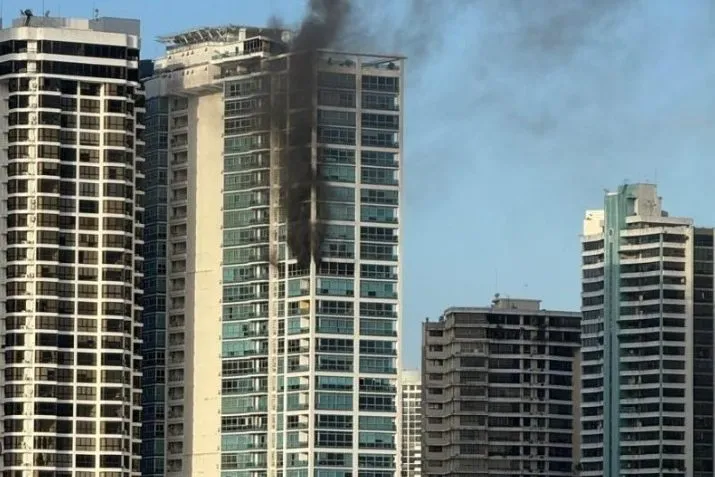
Improper electrical and gas installations by uncertified workers are creating growing safety hazards in Panama’s condominium buildings. Priscilla Cooban, president of the Panamanian Association of Condominium Professionals, issued the warning this week, citing a rise in fires, leaks, and neighbor conflicts linked to unqualified work. The problem is compounded by new threats like electric vehicle chargers and lithium-ion battery storage, alongside chronic issues of delinquency and poor maintenance.
Official data from 2025 recorded 958 emergency responses for gas leaks across the country, a figure that underscores the scale of the challenge. In the dense vertical living environment of modern Panama, a single botched repair in one unit can endanger dozens of families sharing interconnected systems. Cooban argues the core issue is a pervasive culture of improvisation, where residents dismiss critical work as simple enough to handle themselves.
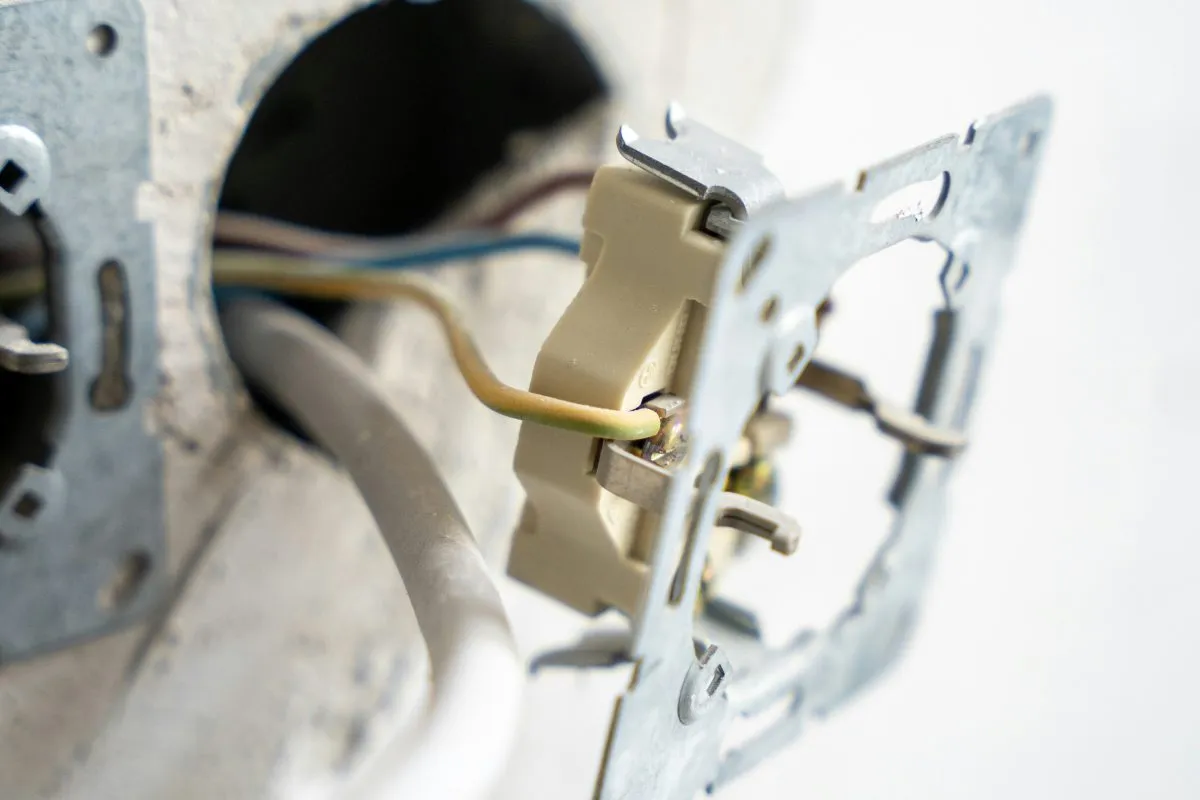
“The phrase ‘that’s easy’ is repeated frequently when an owner announces they will do an electrical installation, change a water heater, move a gas line, or install new equipment,” said Cooban. [Translated from Spanish] She stated this mindset summarizes an improvisational culture that can risk entire buildings when jobs are done without qualified personnel.
The immediate impact is a tangible increase in preventable emergencies. Fire departments and building administrators are responding to more incidents traced back to amateur handiwork. Next steps involve a major push for education, urging condominium boards to enforce existing regulations that mandate certified professionals for any modification involving gas, electricity, or structural elements.
A Network of Shared Risk in Vertical Communities
Living in a condominium (property horizontal) fundamentally alters the concept of home ownership. Decisions made behind one front door no longer remain private. Walls, ceilings, pipes, and electrical conduits are often shared assets. A leak from a poorly installed washing machine connection can cascade down multiple floors. A short circuit from an overloaded, DIY electrical circuit can trigger a building-wide blackout or worse.
Priscilla Cooban emphasizes that the regulations requiring certified technicians are not bureaucratic formalities. They are direct requirements of collective security and shared responsibility. The legal and financial implications of ignoring them are severe. Insurance policies for condominiums and individual units typically contain clauses voiding coverage if an investigation proves a loss was caused by work performed by an uncertified person.
“In condominium living, no one lives in isolation,” Cooban explained. [Translated from Spanish] “Electrical installations, gas systems, and fire prevention systems are part of an interconnected network. An individual decision can impact neighbors who share the same ducts, transformers, or lines.”
This interconnectedness turns minor oversights into major liabilities. A homeowner attempting to save money by hiring a cheap, unlicensed contractor may ultimately be held responsible for catastrophic damages affecting the entire property. The resulting repair costs and legal battles can financially cripple a condominium association and its residents.
Beyond Fires and Leaks The Invisible Conflict of Secondhand Smoke
While fires and gas explosions present clear and present dangers, condominium living breeds more insidious conflicts. Cooban identified secondhand cigarette smoke as one of the most frequent and complex disputes in Panamanian buildings. Unlike a loud party or visible property damage, smoke infiltration is notoriously difficult to document and prove. It becomes a matter of personal perception versus tangible evidence.
The resident suffering from the odor and health effects feels a direct impact within their private unit. They may lack the concrete proof needed to compel action from a condominium board or legal authority. This evidentiary gray area allows conflicts to fester and escalate rapidly between neighbors. It transforms a public health nuisance into a source of prolonged personal animosity, eroding the community cohesion essential for a well-functioning building.
Resolving such issues demands building bylaws that explicitly address smoke transmission and establish clear protocols for complaint and mediation. Many older buildings lack these specific rules, leaving boards without a clear mandate to intervene. This legal gap forces residents into uncomfortable confrontations with little hope of a peaceful resolution, highlighting how condominium regulations must evolve to address modern lifestyle challenges.
New Technology Introduces New Dangers
The landscape of residential risk is not static. Cooban’s warning specifically highlighted emerging threats tied to new technology. The rapid adoption of electric vehicles, for instance, has led many residents to seek home charging solutions. Installing a high-voltage EV charger on a building’s electrical system is a complex task requiring load calculations, dedicated circuits, and potential upgrades to the main service.
When undertaken without proper engineering review and certified installation, these projects can overload aging building infrastructure. The result could be chronic power failures or thermal incidents leading to fires. Similarly, the proliferation of home energy storage systems using large-format lithium-ion batteries introduces significant fire risks if the units are damaged, improperly installed, or charged with incorrect equipment.
These are not simple appliance plug-ins. They represent major modifications to a building’s core systems. Condominium boards and property managers are now scrambling to develop policies governing such installations before an accident occurs. The alternative is reacting to a crisis that could have been prevented with forward-looking rules and professional oversight.
The Cultural Hurdle of Collective Living
Technical solutions exist for most of these hazards. Certified professionals are available. Building codes provide a framework. Cooban contends, however, that the most significant barrier is cultural. A deeply ingrained notion of “in my house, I give the orders” clashes directly with the foundational reality of condominium ownership. What happens in your unit is never entirely your own business when it can affect the safety, health, and financial well-being of your neighbors.
This cultural disconnect manifests in widespread delinquency on maintenance fees and low participation in resident assemblies. When owners disengage, buildings lack the financial resources and communal will to perform essential certifications, update fire suppression systems, or hire qualified building managers. Prevention becomes an afterthought, and the risk profile of the entire structure rises accordingly.
“The problem is not only technical, but cultural,” Cooban stated. [Translated from Spanish] “The idea that ‘in my house I am in charge’ clashes with a basic reality of condominium life life in co-ownership.”
Building a culture of shared responsibility requires consistent leadership from condominium boards and proactive communication with all residents. It means moving beyond simply enforcing rules to explaining the life-saving rationale behind them. It involves framing certified repairs not as an unnecessary expense but as a critical investment in everyone’s security and property value.
Legal and Financial Imperatives for Safety
The consequences of negligence extend far beyond a reprimand from a building manager. Panamanian law and standard condominium bylaws create a chain of liability. If an investigation into a fire or collapse traces the cause to unapproved, unpermitted work, the unit owner who commissioned that work assumes full responsibility. Their personal insurance may deny the claim. They could then be sued by the condominium association and by individual neighbors for damages.
In some scenarios, if the board knowingly allowed substandard work to proceed without intervention, the association itself could face liability. This makes vigilant administration a legal duty, not just a best practice. Regular audits of unit modifications, strict control over contractor access, and rigorous documentation of all building systems are no longer optional for responsible property management.
The financial argument is equally compelling. A major building fire or structural failure leads to astronomical repair costs, skyrocketing insurance premiums for all owners, and a steep decline in property values. The cost of hiring a certified electrician to install a water heater pales in comparison to the multi-million-dollar loss following a gas explosion. Professional work is the most cost-effective risk mitigation strategy available.
Panama’s urban landscape is defined by its towers. The safety of the families living in them depends on a collective commitment to professionalism and shared responsibility. Moving past “that’s easy” and embracing “that’s essential” is the first step toward securing the future of vertical communities. The data shows the risks are real and growing. The solution lies in recognizing that in a condominium, safety is always a team effort.