


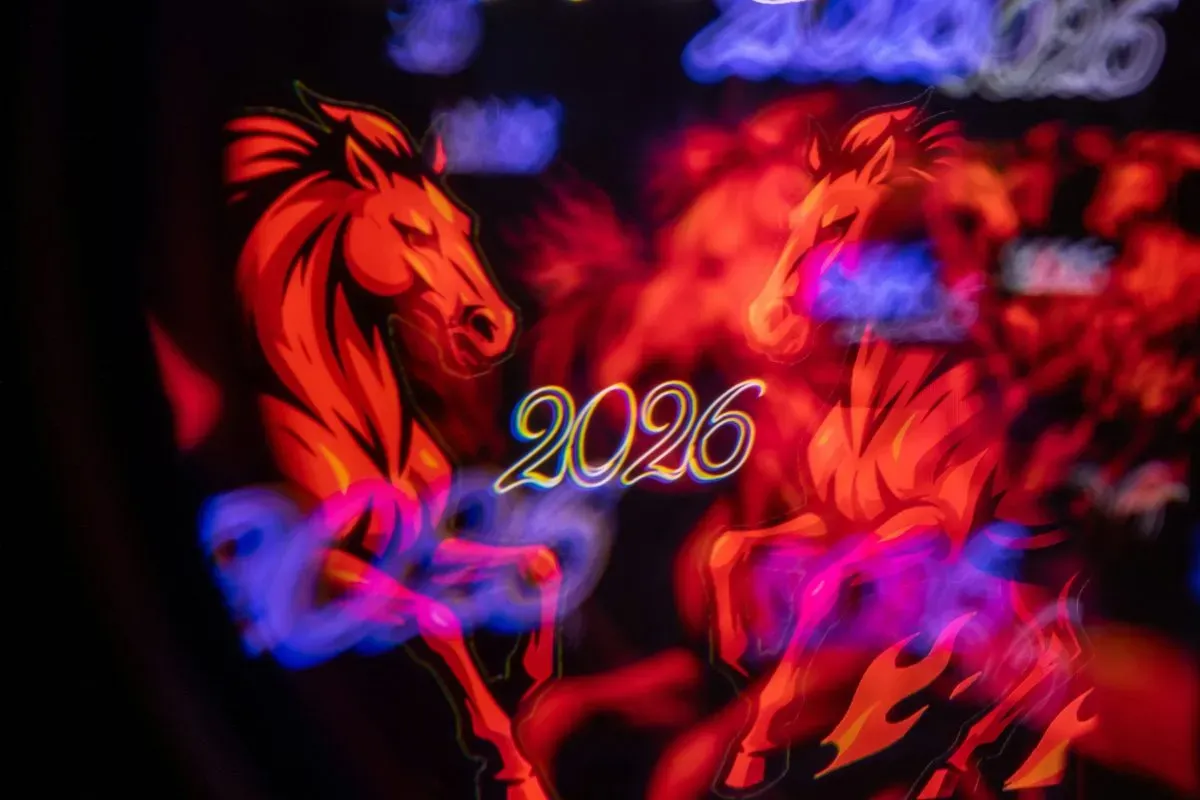
The Embassy of the People’s Republic of China in Panama has officially welcomed the Lunar New Year 2026, known as the Year of the Horse. Ambassador Xu Xueyuan extended festive greetings to the Panamanian people on Monday, February 17, marking the start of a new lunar cycle celebrated for its symbolism of progress and vitality. The occasion highlights deep historical ties between the two nations dating back over a century and a half.
This specific year is designated as the Bingwu Fire Horse, a combination that occurs once every sixty years within the Chinese Zodiac system. In a detailed message, Ambassador Xu outlined the cultural significance of the horse in both Chinese and Panamanian traditions. She connected the zodiac animal’s energetic spirit to shared values and even linguistic links between the countries.
“Dear Panamanian friends, the lunar year 2026 is the year of the horse. Its first day is February 17. In China, the horse is very beloved. It presents energy, effort, and freshness to move forward,” said Ambassador Xu Xueyuan. [Translated from Spanish]
The ambassador specifically noted how the horse resonates within Panamanian culture. She referenced horseback riding in regions like Santa Fe and Boquete, beach rides on islands like Pellas, and the excitement of horse racing at the Presidente Remón Cantera racetrack. Her remarks aimed to build a bridge of mutual understanding through a common symbolic appreciation.
Historical Connections and a Shared Symbol
A profound historical connection forms a cornerstone of the embassy’s New Year message. Ambassador Xu reminded the public that the first Chinese migrants arrived in Panama 171 years ago. Those early settlers played a crucial role in constructing the transoceanic railway, a monumental project often referred to as the “golden horse” for its economic importance.
This railway, a precursor to the canal, is now known as the Panama Canal Railway. The ambassador’s historical reference underscores a long-standing partnership. She further emphasized a linguistic tie, pointing out that the Chinese name for Panama incorporates the character “mǎ,” which directly translates to horse.
“The horse also unites China and Panama. In the Chinese name for Panama, the character ‘mǎ’ appears, which means horse,” added Xu. [Translated from Spanish]
The embassy’s official statement concluded with formal holiday wishes. It expressed sincere festive desires to the Panamanian people for the Chinese New Year. The celebration, also called the Spring Festival, spans 15 days and culminates with the Lantern Festival. Its recognition in Panama reflects the integration of Chinese cultural heritage into the nation’s diverse social fabric.
Multicultural Celebrations in Panama
In Panama City, Lunar New Year events typically unfold over weekends to maximize public participation. Planned activities for 2026 include traditional dragon and lion dances, cultural performances, and culinary exhibitions. These public events have steadily grown in scale and popularity, cementing the festival’s place in Panama’s annual cultural calendar.
The celebrations act as a vibrant, multicultural gathering point. They attract not only the local Chinese community but also Panamanians and other residents eager to partake in the festivities. This shared experience fosters greater cultural exchange and understanding, turning a traditional Chinese holiday into a Panamanian metropolitan event.
Ambassador Xu’s focus on the horse’s unifying symbolism appears strategically crafted. It acknowledges Panama’s own equestrian culture while educating a broader audience on Chinese traditions. The diplomatic message transforms a zodiac sign into a narrative of partnership, from the historical laborers on the railway to modern-day cultural diplomacy. This year’s celebration is not just about marking a new lunar cycle. It serves as a reminder of a 171-year relationship that continues to evolve.