


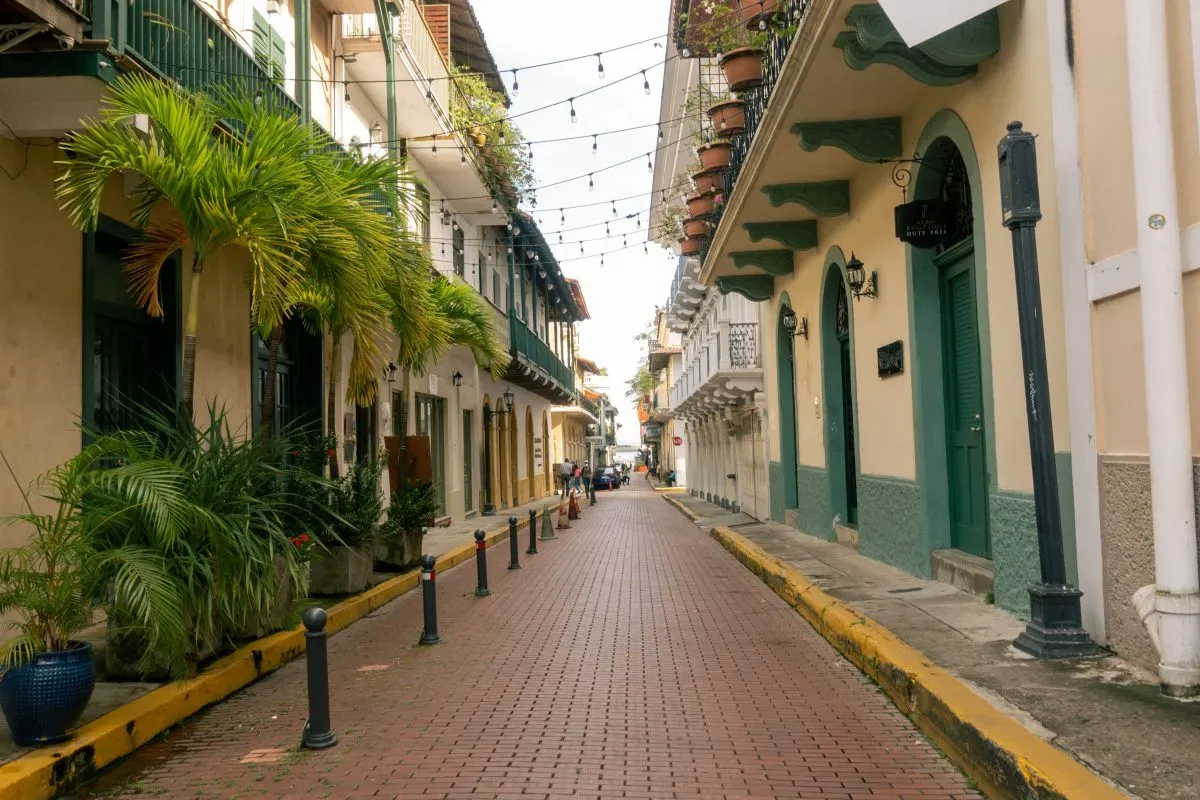
A major corruption trial in Panama City has been delayed until March 2. The case involves a former public works minister and eight others accused of embezzlement linked to the controversial renovation of the city’s historic district.
The First Liquidated Criminal Court ordered the suspension because several defense lawyers and prosecutors are currently involved in the separate, sprawling Odebrecht bribery trials. This trial, focused on alleged cost overruns in the Panama City’s Casco Antiguo rehabilitation, was originally scheduled for March 2024. A last-minute legal challenge forced the earlier postponement.
Audit Reveals Millions in Alleged Overcharges
Central to the prosecution’s case is a damning audit from Panama’s Comptroller General. The report alleges the historic district project was inflated by a staggering $51.4 million. Prosecutors from the Anti-Corruption Office submitted this audit as evidence, a move defense attorneys vigorously opposed and appealed.
“The trial was suspended because key legal personnel are occupied with the Odebrecht proceedings,” a court official confirmed. [Translated from Spanish]
Former Public Works Minister Federico Suárez leads the list of defendants. He is joined by Jorge Ruiz, María González, Gonzalo De la Rosa, León Hallpen, Héctor Castillo, Juan Vásquez, Mauricio Cort, and Sergio Del Sour. All face charges related to the crime of Embezzlement.
The project itself was a concession granted to the consortium of Odebrecht and Fomento de Construcciones y Contratas (FCC). It was developed during the administration of former President Ricardo Martinelli, from 2014 to 2019, a period now under intense scrutiny for multiple public works contracts suspected of carrying inflated prices.
Legal Maneuvers and Separate Investigations
This case represents just one thread in a vast tapestry of corruption investigations. In January 2023, a higher court rejected a motion from Suárez’s defense team. They had sought to merge this case with another probe into alleged fund mismanagement during the construction of phases one and two of the Vía Brasil corridor.
That road project, also awarded to FCC for $455 million, is the subject of its own separate investigation. The court eventually decided to consolidate investigations into the Vía Brasil corridor but explicitly excluded the Casco Antiguo case, keeping it on its own track.
Intricate details have emerged from the FCC inquiry. Collaborators from the company told anticorruption prosecutors that FCC allegedly paid bribes equivalent to 10 percent of the contracts awarded by the Public Works Ministry between 2009 and 2014. These testimonies, however, were later excluded from the formal judicial process, complicating the prosecution’s efforts.
The repeated delays highlight the overwhelming strain on Panama’s judicial system. With numerous high-profile corruption cases proceeding simultaneously, courts are struggling to allocate judges, prosecutors, and defense attorneys. The outcome of this trial is being closely watched as a benchmark for accountability in large-scale infrastructure projects. It also raises persistent questions about the preservation and management of cultural heritage sites like the casco antiguo district.
All parties are now expected to reconvene on March 2. Whether the trial proceeds then or faces further delays may depend on the progress of the other interconnected cases still winding through the courts.