


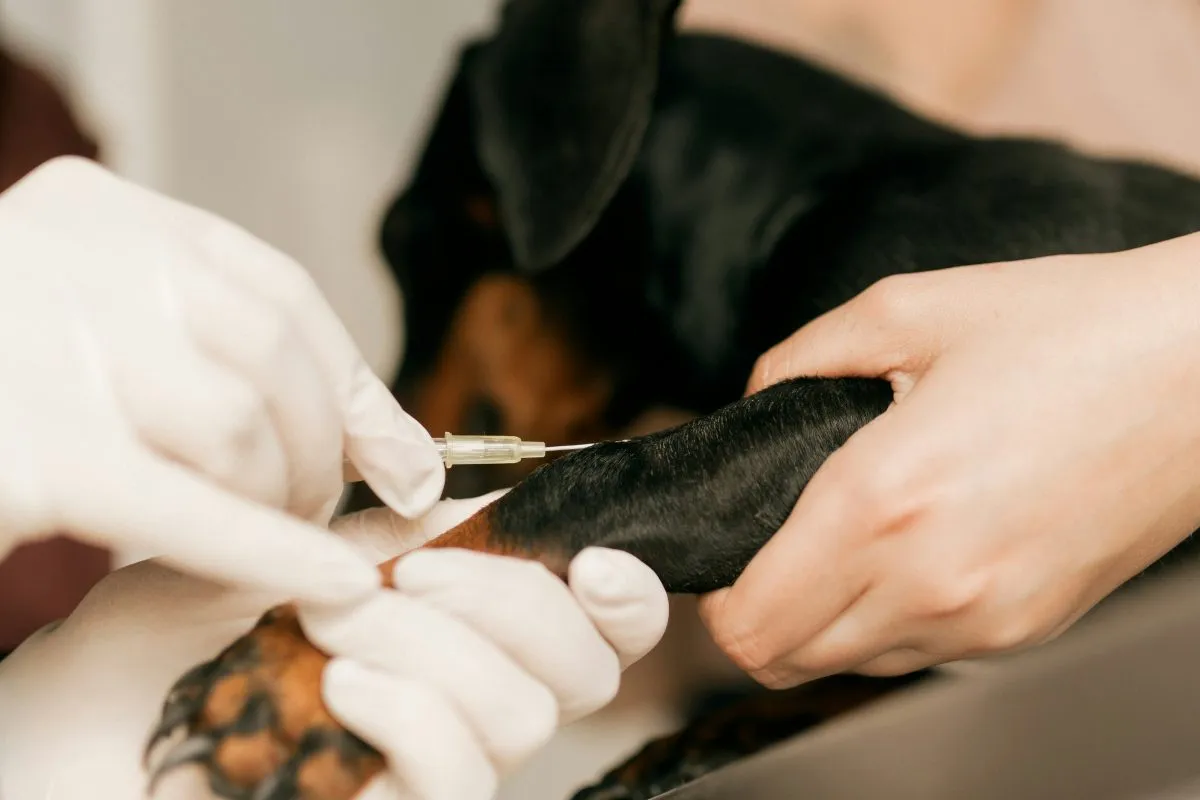
Veterinary clinics across Panama are reporting a concerning spike in cases of canine distemper, a highly contagious and often fatal viral disease. The outbreak has prompted urgent warnings from animal health specialists who note a severe drop in survival rates for infected dogs this year. The situation is most dangerous for unvaccinated pets and those with compromised immune systems.
Officials say the virus spreads easily through airborne secretions from coughing or sneezing, as well as through direct contact with infected animals or contaminated surfaces. Unlike some other illnesses, this particular viral disease does not pose a risk to humans or other animal species, targeting dogs exclusively. The current increase has been observed in multiple regions of the country, straining local veterinary resources.
Crissia Mendoza, a veterinarian consulted on the outbreak, described the virus’s aggressive nature. She explained that it attacks multiple bodily systems, leading to complex and devastating symptoms.
“It is a virus that acts on and deteriorates the central nervous system in patients and also causes pneumonia and serious respiratory diseases,” Mendoza said. [Translated from Spanish]
Treatment options are severely limited once a dog is infected. There is no direct cure for canine distemper, so medical care focuses on managing symptoms and supporting the animal’s own immune response. This supportive care includes fluids, antibiotics for secondary infections, and medications to control neurological issues like seizures. The success of this approach depends heavily on early detection and the overall strength of the dog.
A Dramatic Drop in Survival Rates Alarms Experts
What worries veterinarians most is the apparent increase in the virus’s lethality. Recent cases have shown a frightening trend where very few dogs are recovering, especially when they arrive at clinics with advanced symptoms. This marks a stark change from just a few years ago.
Veterinarian Crissia Mendoza provided a grim comparison to highlight the shift in the outbreak’s severity.
“About two years ago we had a fairly high survival rate. Most of the dogs we treated presented mild symptoms and we could save them. Others, depending on their immune system, had a mortality rate, but right now the patients we have had are all dying,” she emphasized. [Translated from Spanish]
The symptoms themselves are aggressive and wide-ranging. Infected dogs typically develop a high fever, along with a thick discharge from the nose and eyes. A persistent cough, vomiting, and diarrhea are common. In the disease’s critical final stages, neurological damage becomes apparent. This can include muscle twitches, paralysis, or severe seizures that often lead to death.
This heightened fatality rate is putting immense pressure on pet owners and veterinary staff. Clinics are urging people to monitor their dogs closely for any early signs of illness and to seek professional help immediately if symptoms appear. Quick action can sometimes make the difference between life and death.
Vaccination Remains the Only Effective Shield
In the face of this outbreak, animal health authorities are delivering one consistent message. The single most effective tool for preventing distemper is a complete and up-to-date vaccination protocol. Puppies require a series of shots to build immunity, and adult dogs need regular booster shots throughout their lives to maintain protection.
Veterinarians stress that the vaccine is highly effective and widely available. They are calling on all dog owners in Panama to verify their pet’s vaccination status immediately. This is particularly crucial for puppies and adolescent dogs who may not have finished their initial vaccine series. Keeping dogs away from public parks or kennels until they are fully vaccinated is also recommended as a precautionary measure.
The outbreak serves as a sobering reminder of the persistent threat posed by preventable diseases. While the virus does not jump to humans, its impact on families who lose beloved pets is profound. Public health messages are now circulating widely on social media and through veterinary networks, aiming to curb the spread through education and proactive care.
Panama’s veterinary community continues to track the cases and share treatment insights. Their immediate goal is to slow transmission through public awareness while providing the best possible care for already infected animals. The long-term solution, they agree, rests firmly in the hands of responsible pet owners ensuring their dogs are vaccinated.