


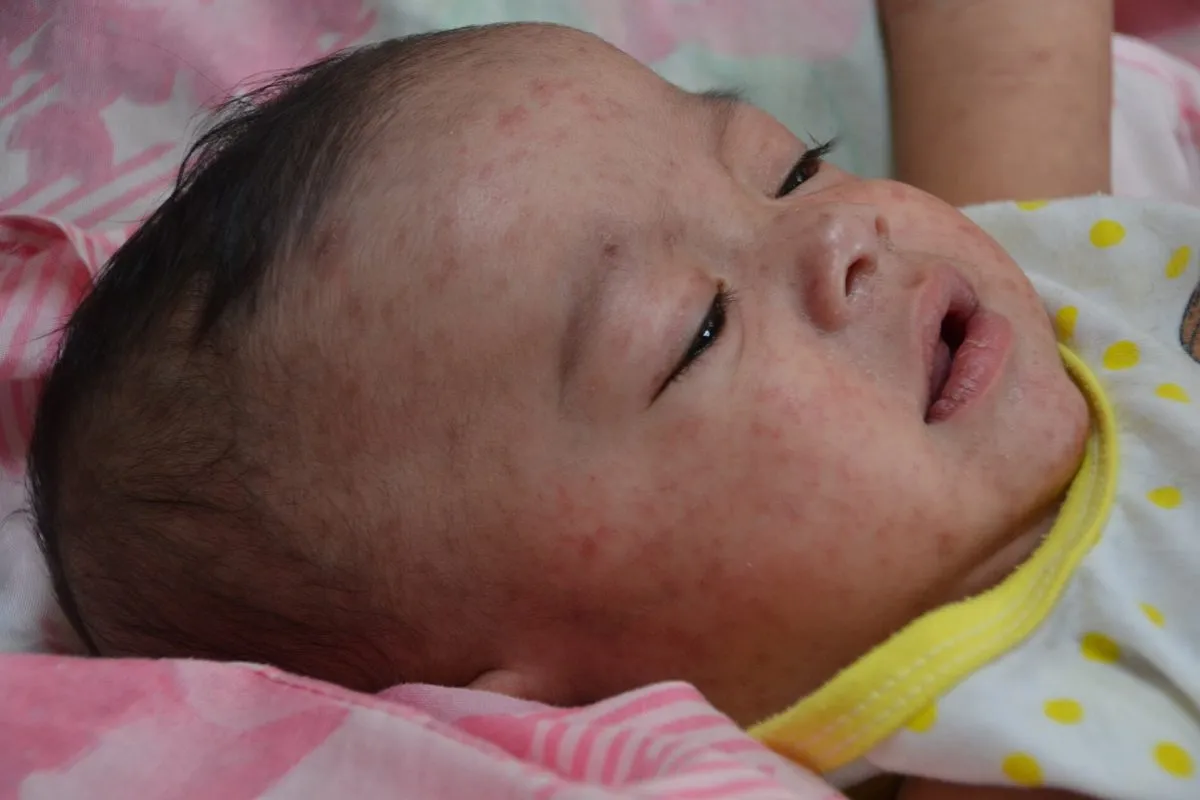
Panama has not recorded a single case of measles since November 1995, a public health achievement officials credit to a robust and sustained national vaccination program. The country’s Ministry of Health (Minsa) confirmed this milestone, attributing the success to its vigilant epidemiological surveillance system and high immunization rates across the population.
Itzel de Hewitt, the general coordinator of the Expanded Program on Immunization (PAI), reported that health authorities have administered more than seven million doses of the measles vaccine. This figure is particularly significant for a nation with an approximate population of just four million people. Sustained vaccination, she explained, remains the primary strategy for preventing both imported cases and local transmission of the virus.
“The sustained vaccination has been the main strategy to avoid both imported cases and autochthonous infections, allowing the country to remain free of the disease for more than three decades,” said Itzel de Hewitt. [Translated from Spanish]
In response to a recent epidemiological alert for measles in the Region of the Americas, the Minsa has strengthened its preventive measures. A key initiative offers the measles vaccine free of charge to individuals requesting an International Certificate of Vaccination. This service is commonly paired with the yellow fever vaccine required for international travel to certain destinations.
Preparing for Increased Travel and Global Events
This dual-vaccination strategy aims to mitigate the risk of Panamanian travelers contracting the virus abroad and introducing it upon their return. Hewitt detailed specific preparations for the upcoming 2026 FIFA World Cup, which will be hosted in the United States, Canada, and Mexico. These nations are currently reporting higher numbers of measles cases.
The Ministry of Health has issued guidelines to travel agencies, instructing them to advise clients planning trips to those destinations about the importance of vaccination. While immunization is not mandatory for entry into the event, health officials strongly recommend it as a critical precaution. The Pan American Health Organization continues to monitor outbreaks across the hemisphere.
Historically, Panama maintains strong childhood vaccination coverage. Rates for the first dose given to children range between 80 and 94 percent. Coverage for the crucial second dose sees a slight decrease, particularly in children under four years old. The national program administers the measles vaccine to adults up to 64 years of age.
“This strategy seeks to reduce the risk of Panamanian travelers contracting the virus abroad and introducing it into the country,” Hewitt stated regarding the pre-travel vaccination efforts. [Translated from Spanish]
The Minsa follows guidelines established by the World Health Organization, reinforcing routine vaccination through activities conducted both inside and outside health facilities by the PAI team. These efforts are part of a broader strengthening of routine immunization services across the country.
Proactive Public Health Measures in Action
Key actions include organizing vaccination days at airports and seaports to reach international travelers. Health workers also immunize staff employed in public-facing roles in service and attention areas. The program extends its reach through vaccination campaigns in shopping centers and transportation terminals.
A central tactic involves offering the measles vaccine to all travelers who come to health centers for their required yellow fever shot. This integrated approach maximizes convenience and public health impact. Measles is a highly contagious viral disease, and details on its transmission and effects are available from the World Health Organization.
Travelers receiving vaccines can obtain the official International Certificate of Vaccination or Prophylaxis, commonly known as the “yellow card,” from authorized health centers. Authorities reiterated their call for all citizens to keep their vaccination schedules up to date. They emphasize that this practice is the principal tool for preserving the country’s sanitary status against preventable diseases like measles.
Panama’s nearly thirty-year record stands as a testament to the effectiveness of consistent, well-managed public health policy. The ongoing campaign demonstrates a proactive adaptation to new global health challenges, especially those posed by increased international travel and mass gatherings.