


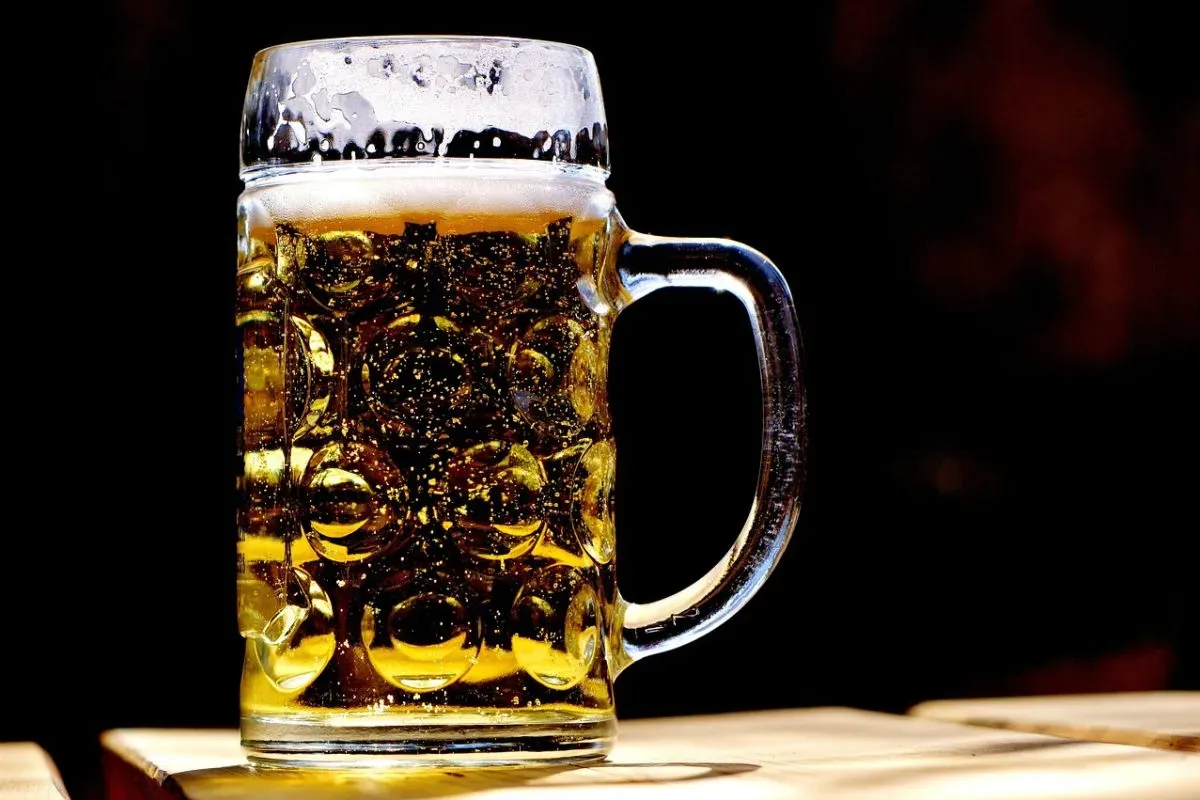
Panama City’s social landscape is being reshaped by a booming craft beer movement. New market data from early 2026 reveals a significant shift in consumer habits, with nearly one in ten Panamanian adults now regularly choosing artisanal brews. This surge is centered on neighborhood brew pubs that have become essential community hubs.
While traditional mass-market beer production saw a slight decline recently, the craft segment is experiencing steady annual growth. The “on-trade” sector, where beer is consumed at the brewery, dominates this expansion. Drinkers are actively trading quantity for quality, often selecting a five-dollar craft pint over cheaper commercial alternatives.
Brew Pubs Become the New Social Anchors
The heart of this change beats in specific districts across the capital. The historic Casco Viejo (Historic District) remains a foundational pillar, with established venues acting as communal gathering spots. Meanwhile, areas like El Cangrejo have exploded with nanobreweries focused on experimental batches. These small businesses often function as creative centers, hosting events that draw a diverse crowd.
Even the corporate towers of Costa del Este have embraced the trend. Modern taprooms there cater to professionals with high-tech self-serve systems, offering dozens of local options. This geographic spread highlights how deeply the craft beer culture has penetrated different facets of panama city life.
“The brew pub is the new town square. In a city of skyscrapers, these are the places where people actually talk to their neighbors.” [Translated from Spanish] — Expat-Times Contributor
Industry observers note the unique inclusivity of the scene. Unlike some international markets where craft beer can feel niche, Panama City’s taprooms serve as social equalizers. They have effectively become a Third Place (sociology), a neutral ground where expats, locals, professionals, and artists connect over shared tastings.
Local Ingredients and Laws Shape the Experience
The movement’s growth is intrinsically linked to a “buy local” ethos. Official business registrations show a notable increase in micro-brewery licenses. Brewers are increasingly sourcing Panamanian ingredients, experimenting with native coffee, cacao, and tropical fruits to create a distinct regional flavor profile. This local terroir is a major draw for the expat community seeking an authentic taste of their new home.
The culture still navigates local nuances, however. National “dry” laws prohibit alcohol sales on certain holidays like Martyrs’ Day. These pauses have inadvertently created a new tradition, with “Reopening Parties” at local taprooms becoming anticipated social events themselves. The scene respectfully blends new trends with longstanding national customs.
For consumers, the shift means adjusting to a different average price point. A standard craft pint now typically costs between five and seven dollars at a brewery, reflecting the premium on artisanal production. Value remains high compared to North American or European cities, and resident retirees often qualify for entertainment discounts at these venues.
The transformation of casco viejo and other neighborhoods into craft beer destinations underscores a broader cultural shift. It highlights a growing contrast between neighborhoods specializing in different experiential offerings. With thousands of new residents arriving each year through Panama’s residency programs, the market’s sophistication is expected to deepen further. The city’s identity, once dominated by its famous canal, now finds a vibrant modern chapter being written in its bustling brew pubs.