


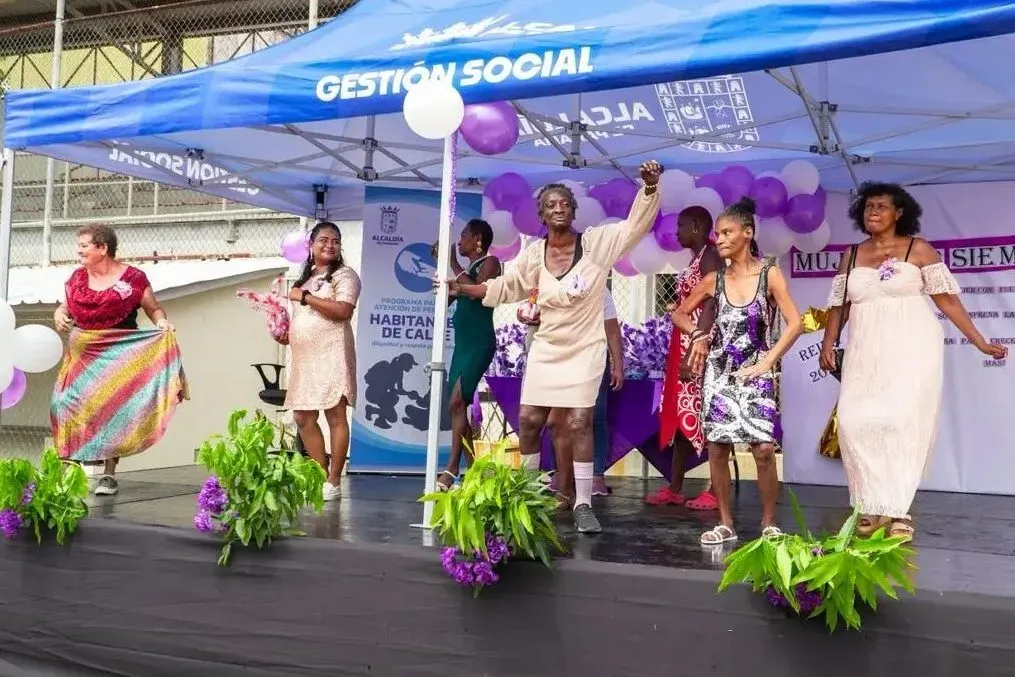
The Municipality of Panama has initiated a specialized outreach program targeting homeless women. Announced in March 2026, the effort forms part of the city’s “Month of the Woman” observances and aims to connect a vulnerable population with critical social services.
City officials described the program as a focused intervention designed to address the unique challenges faced by women living on the streets. The initiative involves teams from the mayor’s office and social services directly engaging with individuals in known gathering areas. Their goal is to offer immediate assistance and guide women toward long-term recovery pathways including shelter, healthcare, and job training.
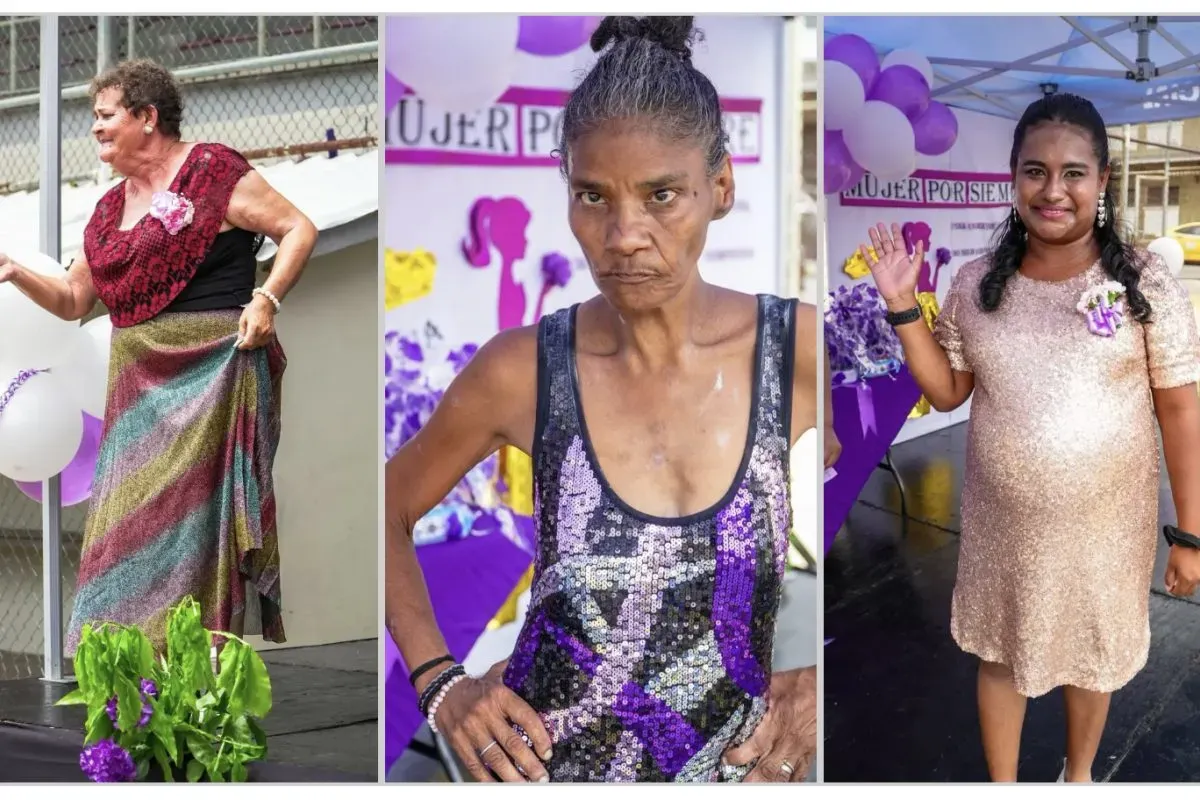
City Officials Emphasize Dignity and Support
Panama City Mayor, José Luis Fábrega, framed the campaign as a core component of the administration’s social inclusion policies. He stressed that the program moves beyond temporary aid to foster genuine reintegration. The mayor’s office confirmed that dedicated personnel are now conducting regular field visits as part of this sustained push.
“Our mission is to reach every woman in a street situation with a message of hope and a tangible offer of support,” said Mayor Fábrega. [Translated from Spanish] “We are actively working to restore their dignity and provide them with the tools to reclaim their lives and their place in our community.”
Vice Mayor Judy Meana highlighted the program’s integrated approach. She noted that collaboration between several municipal directorates is essential for addressing the complex factors behind female homelessness. These factors often include domestic violence, economic dependency, and mental health struggles requiring coordinated care.
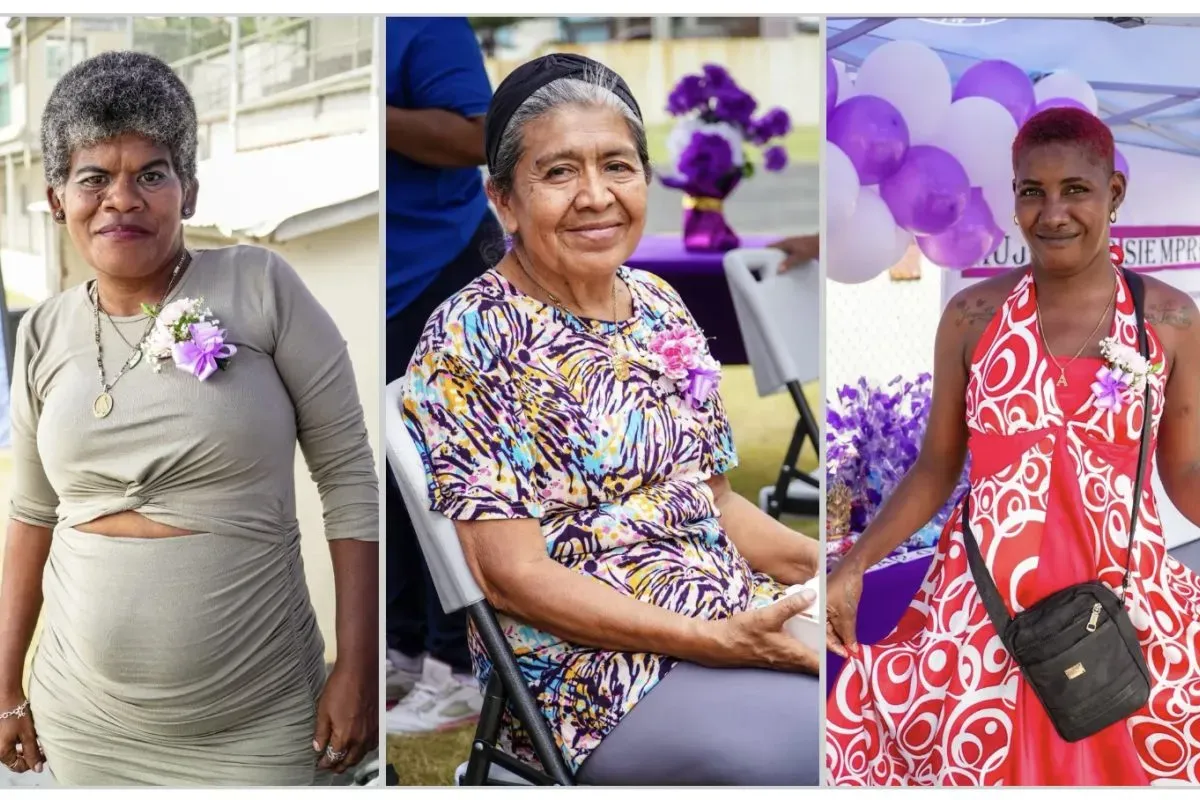
Connecting Residents with Municipal Resources
The outreach teams are equipped to provide on-the-spot referrals to city-run and partner programs. Immediate needs like food and medical attention are addressed first. Workers then focus on connecting individuals with more stable housing options and skills development workshops promoted through the city’s employment initiatives.
Transparency regarding the program’s reach and results is a stated priority. Officials indicated that relevant non-personal data and progress metrics may be published on the city’s official Open Data Portal. This would allow citizens to track the allocation of resources and the program’s outcomes over time.
This targeted campaign represents a shift in municipal strategy. Previous efforts often applied a broader, less differentiated approach to homelessness. By focusing on women during this dedicated month, the city hopes to build a more effective and empathetic model that can be expanded to other groups later. Success, they argue, will be measured by the number of women who transition from the streets to sustainable independence.