



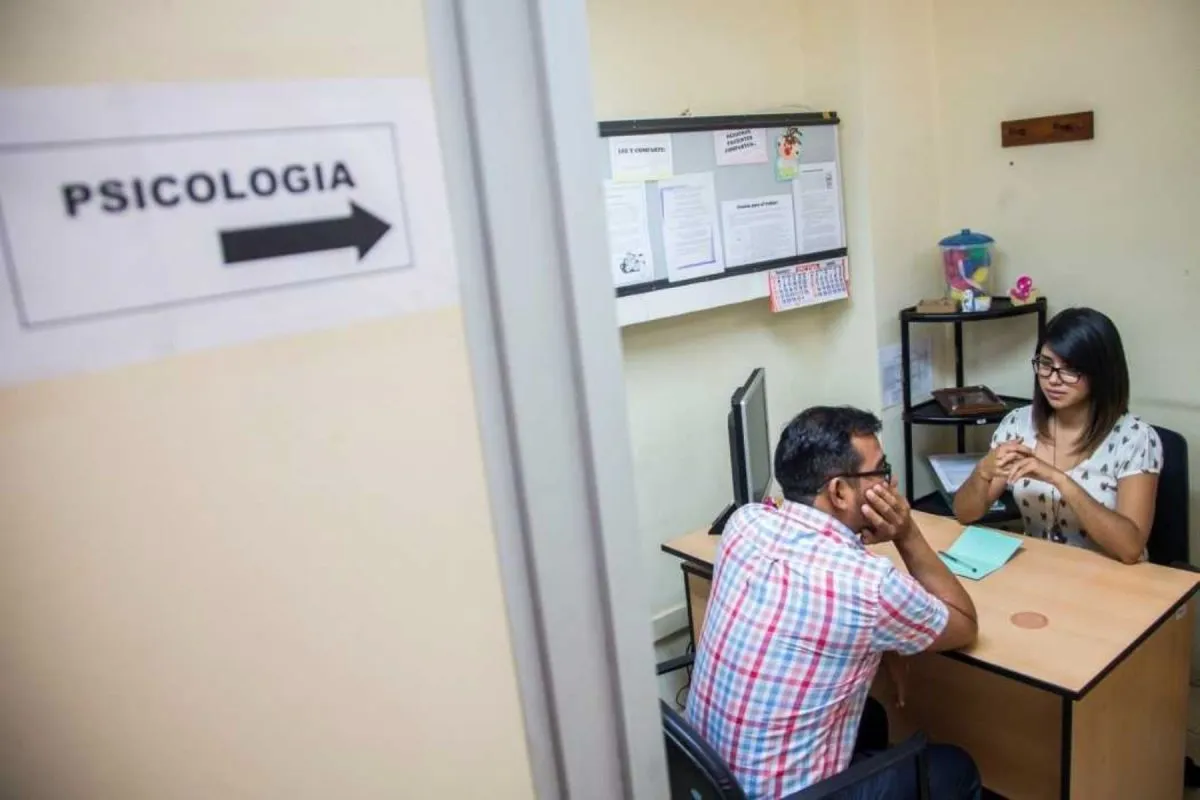
Panama’s Ministry of Health (Minsa) has activated a nationwide mental health hotline to address psychological trauma following the October 9 earthquake, officials announced Wednesday. The free telephone service connects callers with 14 psychologists and psychiatrists who provide emotional support, anxiety management, and crisis intervention for residents across the entire country.
The initiative, coordinated from the San Miguelito health region, leverages the existing 800-6467 line. Dr. Algis Torres, regional health director for San Miguelito, said the program was designed to relieve pressure on central provinces where demand for psychological care has exceeded local capacity following the seismic event.

How the Mental Health Hotline Works
When a person calls 800-6467, trained staff conduct an initial assessment. If the caller shows signs of emotional distress, anxiety, or requires specialized treatment, the case is automatically transferred to the technical team’s schedule in San Miguelito. Specialists then return the call to begin professional evaluation and support.
No appointment is necessary, and callers do not need to visit a medical facility to receive initial guidance. The service operates Monday through Friday from 7:00 a.m. to 3:00 p.m. and is available to patients of all ages, including children, adolescents, and adults.
“We took the initiative to place all specialists at the disposal of the entire country to help the population” [Translated from Spanish]
Dr. Torres confirmed that while San Miguelito itself recorded no significant damage or high emergency volume, the region’s mental health infrastructure is being mobilized to support harder-hit areas. The multidisciplinary team includes both psychologists and psychiatric professionals capable of addressing acute stress, sleep disturbances, and post-traumatic symptoms linked to the earthquake.
Coverage and National Reach
The program’s national scope marks a notable shift in how Panama deploys mental health resources during emergencies. Rather than requiring affected provinces to manage surges independently, the centralized hotline allows specialists in less-impacted zones to absorb overflow demand from communities still recovering.
Central provinces have reported the highest volume of psychological consultations since the tremor, according to health officials. The telephone-based model eliminates geographic barriers, enabling residents in rural or underserved areas to access professional support without traveling to urban health centers.
Authorities emphasized that anyone experiencing persistent anxiety, insomnia, or symptoms of post-traumatic stress following the earthquake can call directly for assistance. The initial orientation is free and confidential.
Emergency Mental Health Response Strategy
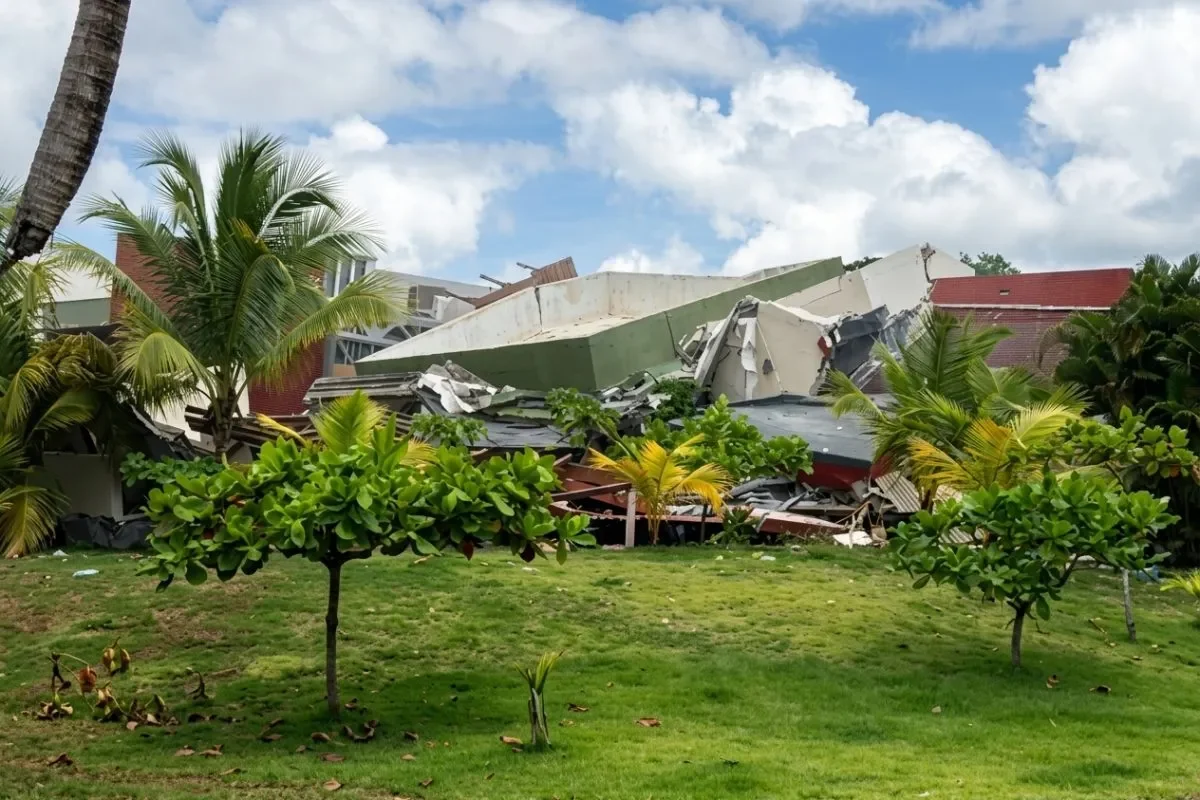
The activation of this hotline reflects growing recognition within Panama’s health system of the psychological toll natural disasters impose on communities. Earthquakes often trigger prolonged anxiety disorders, particularly among children and elderly populations, even when physical infrastructure remains intact.
By repurposing existing telecommunications infrastructure rather than building new facilities, Minsa has created a scalable response model that could be activated during future emergencies. The 14-specialist team handles follow-up calls and provides ongoing emotional containment, not just one-time crisis intervention.
Residents experiencing earthquake-distress can reach the service directly through the national hotline number during weekday operating hours. Health officials continue to monitor call volumes to determine whether extended hours or additional staffing will be required as recovery efforts progress across the country.