


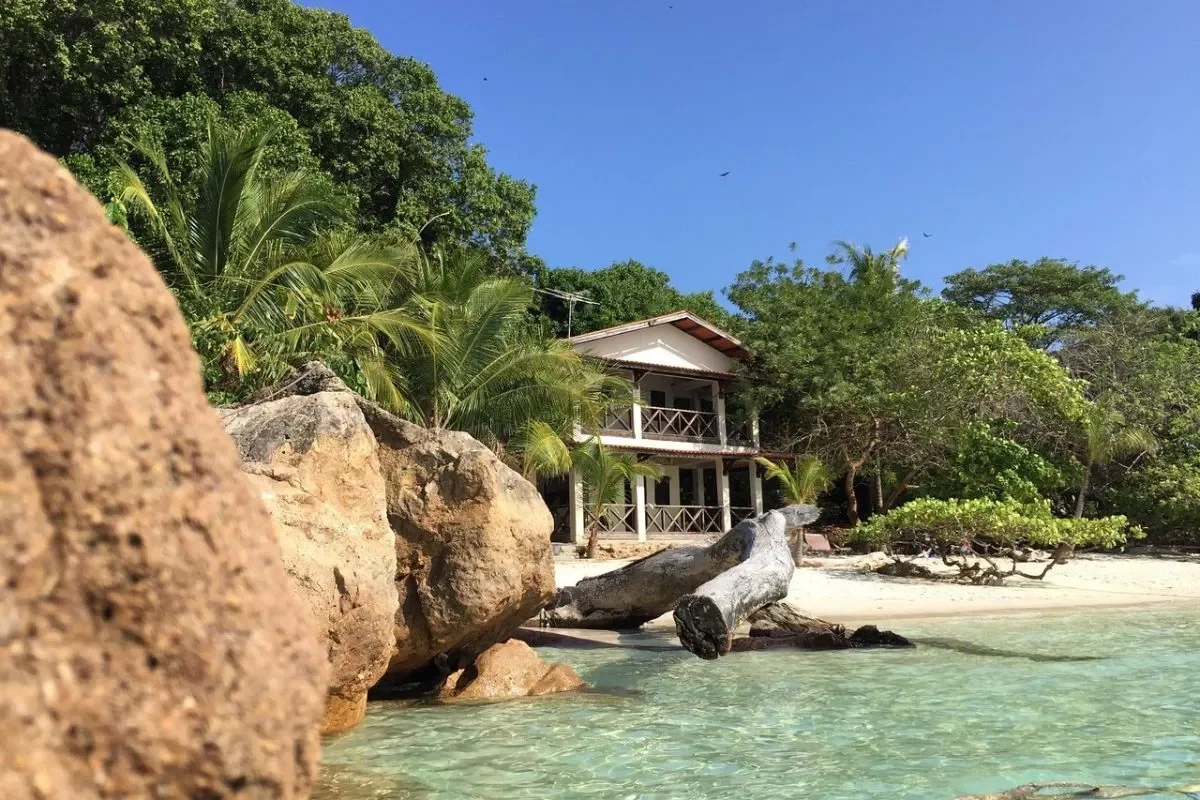
The pristine waters and white sand beaches of Isla Iguana are seeing a sharp decline in visitors, as lingering fears of aftershocks from the recent earthquake keep tourists away. Local businesses that depend on Isla Iguana tourism report a near-total halt in activity since the seismic event struck, despite no structural damage to the island itself.
Park rangers confirmed that weekly visitor numbers have collapsed from a robust 400 to 500 people to just a handful since Friday. The sudden drop has left boat operators, restaurant owners, and tour guides in the Pedasí region facing an uncertain economic outlook.
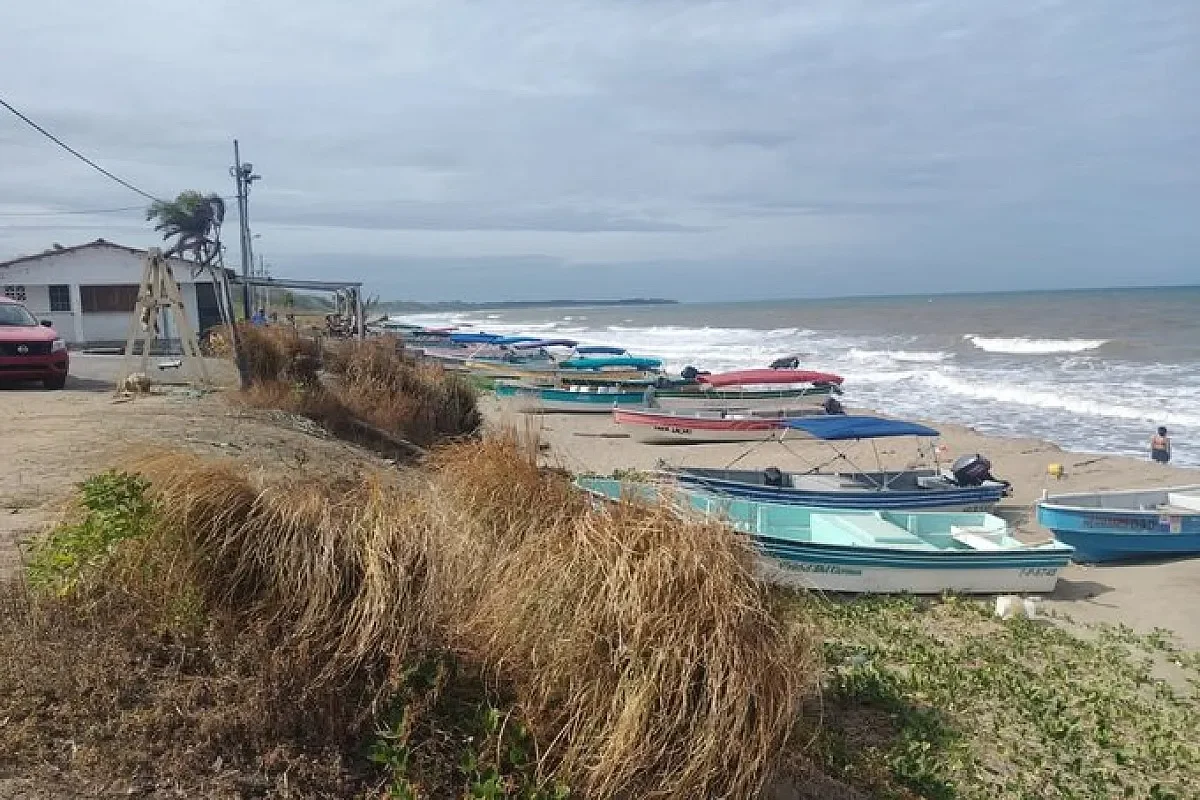
Isla Iguana Tourism Economy Faces Sudden Downturn
Before the earthquake, Isla Iguana functioned as a vital economic engine for the southern coast of Panama. The island, a protected wildlife refuge, draws snorkelers, birdwatchers, and beachgoers who spend money on boat transfers, meals, and lodging in nearby communities. That flow of income has effectively stopped.
Workers in the area stress that the island escaped the earthquake without any damage to its coral reefs, trails, or facilities. They are urging both domestic and international travelers to return, emphasizing that the destination remains safe and fully operational.
“Isla Iguana did not suffer any damage from the earthquake. We call on nationals and foreigners to visit the area and help the local economy recover” [Translated from Spanish]
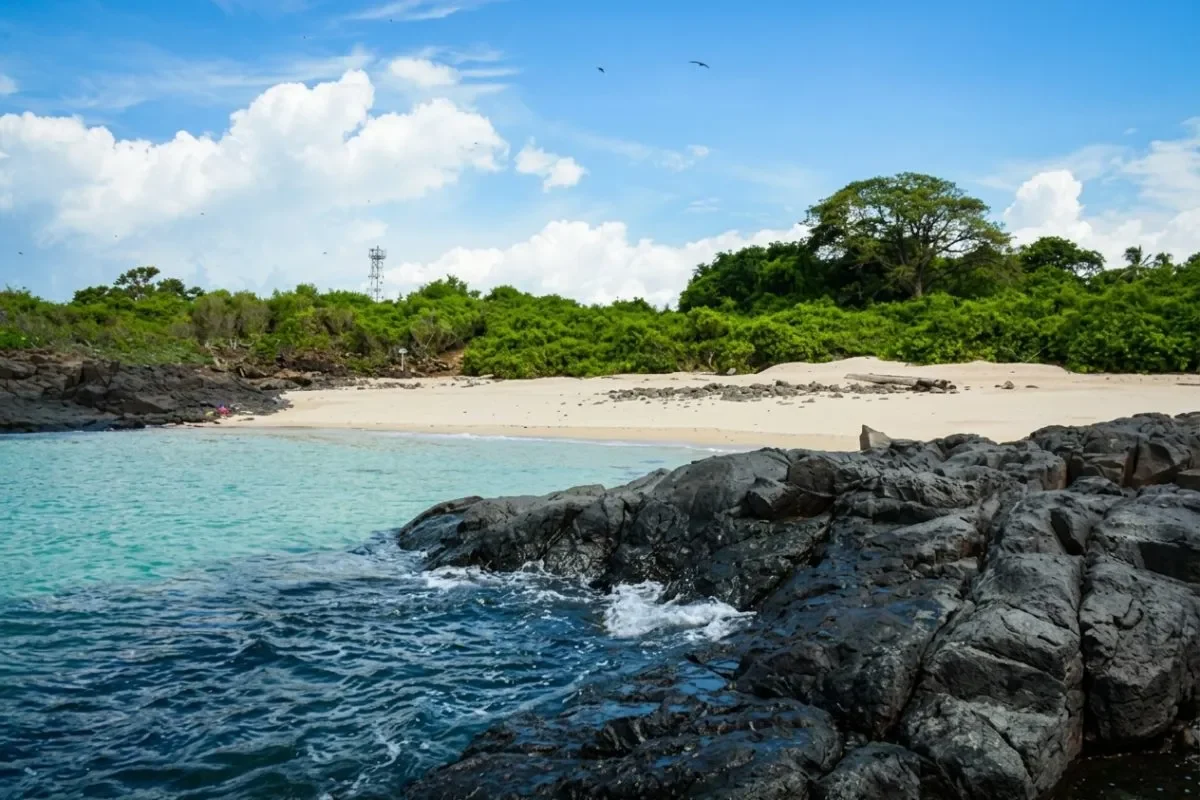
Natural Beauty and Wildlife Remain Intact
Isla Iguana sits roughly 8 kilometers off the coast of the Azuero Peninsula. The island spans about 53 hectares and is known for one of the largest coral reefs in the Gulf of Panama. Its beaches serve as nesting grounds for sea turtles, while humpback whales pass through surrounding waters between June and October.
The island holds protected status as a wildlife refuge, managed by Panama’s Ministry of Environment. Visitors typically arrive by small boat from Playa El Arenal, a trip that takes about 20 minutes. The area’s biodiversity includes frigate birds, iguanas, and dozens of tropical fish species that thrive in the clear, shallow waters.
Community Calls for Tourism Recovery
For the families of Pedasí and surrounding towns, tourism is not a luxury but a primary source of income. The earthquake’s psychological impact has proven more damaging than any physical destruction. Boat captains report empty docks, while restaurants that normally serve fresh seafood to day-trippers now operate at a fraction of capacity.
Local workers continue to maintain boats, clean beaches, and prepare for the return of visitors. They argue that supporting Isla Iguana tourism is the fastest way to stabilize the regional economy and protect hundreds of jobs tied directly to the island’s popularity.
Authorities have not issued any restrictions on travel to the area. The island remains open to the public, with regular boat services available from the mainland. Residents hope that clear communication about the island’s safety will encourage a swift rebound in visitor numbers.