


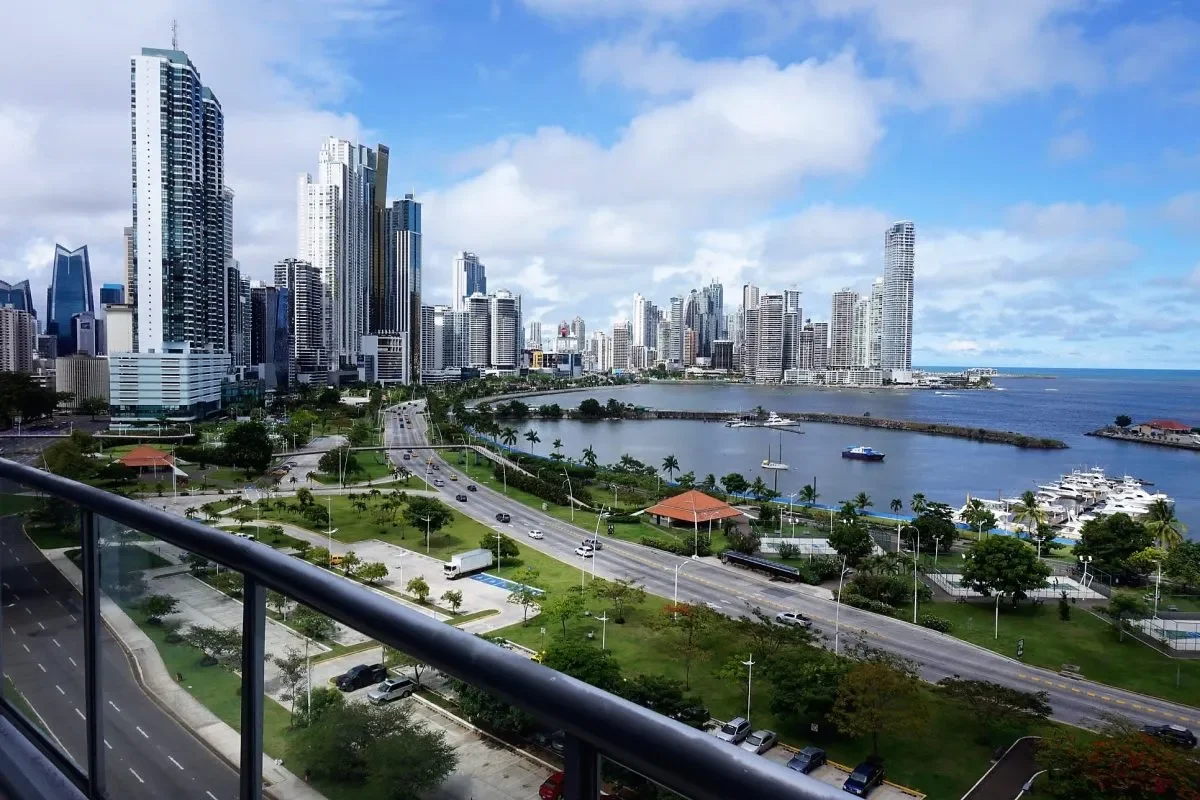
A new community initiative in Panama City’s Bella Vista district aims to reshape earthquake preparedness Panama by training residents and building leaders to handle evacuations before the next tremor hits. The “Prepared Buildings” program began in September and focuses on coordinated response protocols for seismic events and fires.
The pilot program, driven by the Bella Vista communal board, will initially involve at least one building in each of the district’s neighborhoods, including El Cangrejo, La Cresta, El Carmen, and Marbella. Representative César Kiamco said the primary goal is establishing clear evacuation routes, identifying safe gathering points, and defining resident responsibilities before, during, and after an emergency.
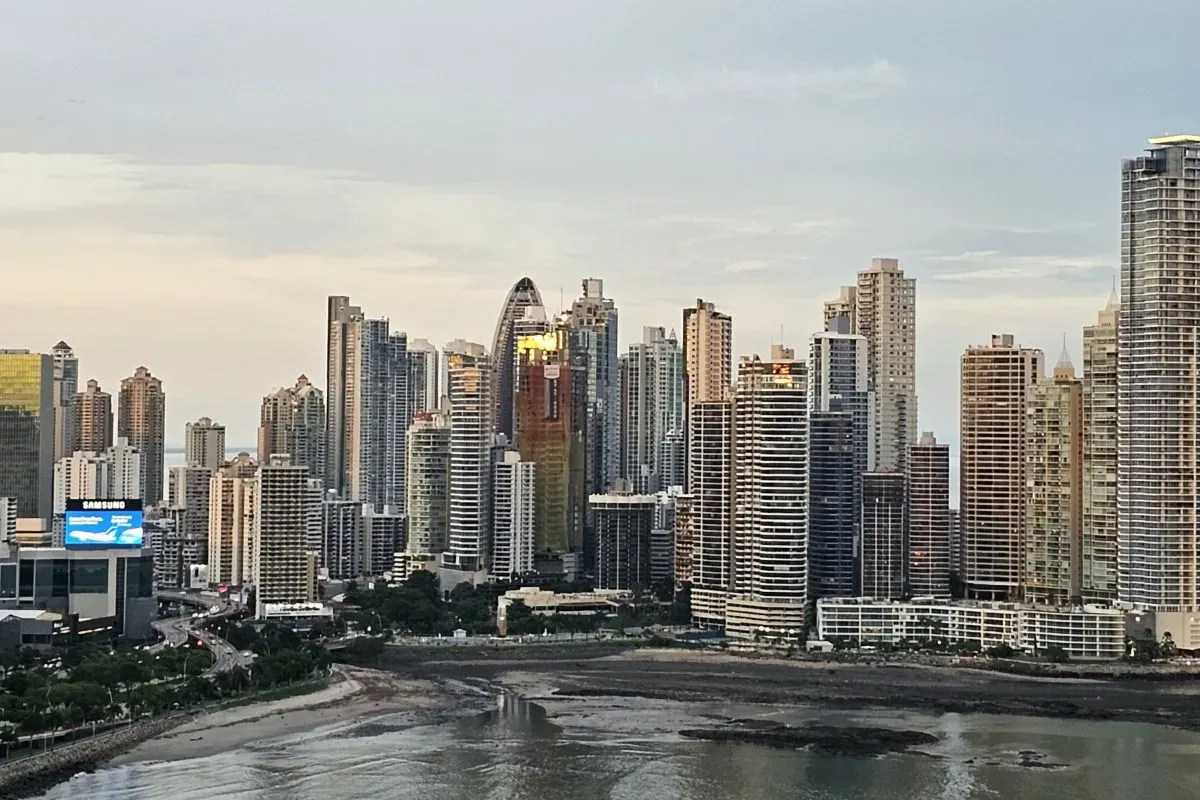
Earthquake Preparedness Panama Pilot Targets 500 High-Rise Buildings
Bella Vista’s dense vertical landscape makes the program especially urgent. Kiamco noted the district contains more than 500 buildings exceeding five stories, a concentration that demands structured response mechanisms. The training focuses on preparing building leaders who will guide neighbors during evacuations and ensure vulnerable populations receive assistance.
Special attention goes to older adults and residents with disabilities or reduced mobility. The program requires designated leaders to verify these individuals can exit safely and reach designated meeting points without being left behind during chaotic evacuations.
“It arrived before we could practice it” [Translated from Spanish]
Kiamco made that remark about the magnitude 6.0 earthquake that struck on Friday, October 9, testing resident response in real time. The tremor exposed gaps in coordination that the pilot program now addresses directly.
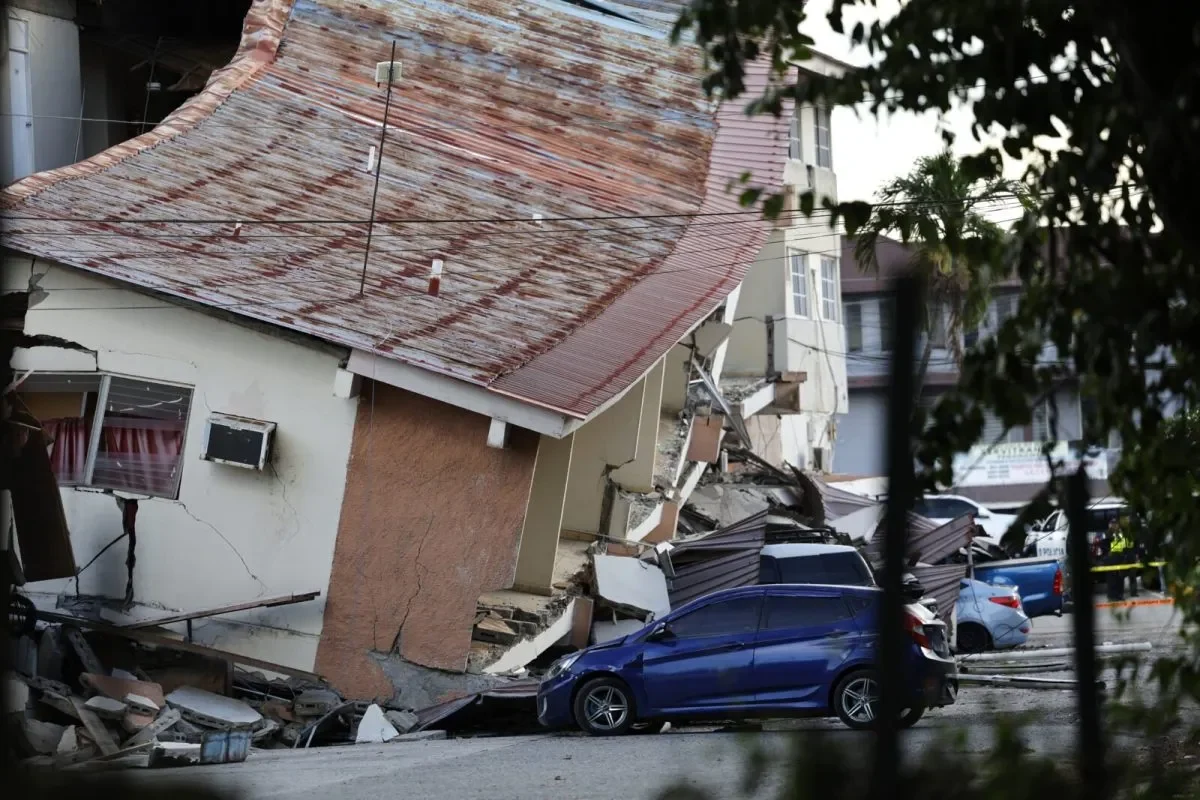
Post-Earthquake Gaps Reveal Communication Breakdowns
The October 9 earthquake provided immediate feedback on what needs improvement. Kiamco identified building leader training as a top priority, particularly for directing orderly evacuations and managing coordination once residents reach assembly points.
Response doesn’t end when people exit their apartments. The program addresses post-evacuation needs including communication channels with authorities, access to water and food, and procedures for residents who cannot return to their buildings due to safety evaluations.
“We need to repeat, practice over and over how to do it in an organized way so that the evacuation doesn’t produce more chaos” [Translated from Spanish]
The representative framed the earthquake as a wake-up call for strengthening community preparation and expanding coordination between buildings, neighborhoods, and government authorities.
Beyond Seismic Events and Future Expansion
While earthquake response drives the initial rollout, the program’s scope extends to fire emergencies where organized evacuation reduces risks and protects lives. The pilot phase will inform broader implementation across all Bella Vista neighborhoods.
Kiamco emphasized that preparation saves lives. The program’s repetition-based training model aims to embed evacuation procedures as automatic responses rather than panic-driven reactions. Building leaders receive ongoing instruction to maintain readiness between drills.
The initiative represents one of Panama City’s first structured approaches to high-rise emergency preparedness at the community level. Its success could serve as a template for other dense urban districts facing similar seismic risks.