


The latest CEPAL trade forecast projects Panama’s goods exports will contract 14 percent by the end of 2026, placing the country among only five economies in Latin America and the Caribbean expected to post negative numbers this year. The projection, released Tuesday in the annual report on international trade perspectives, stands in stark contrast to the regional average of 20 percent growth.
The collapse stems primarily from the shutdown of copper mining operations and the normalization of trade flows following unusually high prior-year records, according to the Economic Commission for Latin America and the Caribbean. First-half data already showed Panamanian goods exports falling 23 percent year-on-year, including a dramatic 50 percent drop in June alone.
CEPAL Trade Forecast Highlights Regional Divide
Latin America’s overall export performance marks the strongest showing since the post-pandemic rebound of 2021. An 11 percent rise in export prices combined with a 9 percent increase in volumes drove the surge, extending a six-year growth streak for the region. Mexico leads manufacturing gains at 26 percent, fueled by nearshoring and demand for data processing and artificial intelligence machinery from the United States.
But Panama’s trajectory runs counter to nearly every neighbor. Peru tops the regional table with projected 30 percent growth, followed by Mexico at 26 percent and Bolivia at 23 percent. Costa Rica and Colombia each anticipate 15 percent and 7 percent growth respectively. Only Saint Kitts and Nevis, Dominica, Cuba, and Grenada join Panama in negative territory.
Copper Mine Closure Reshapes Export Landscape
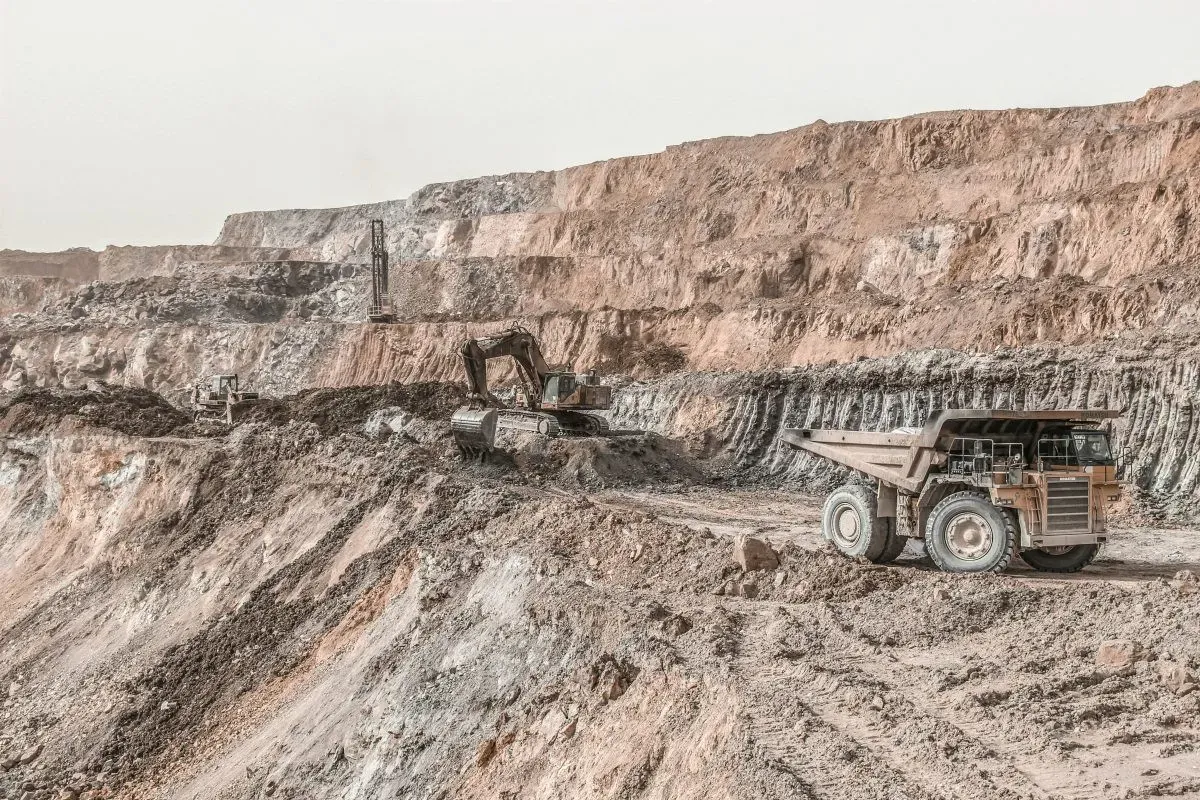
The Cobre Panamá mine closure continues to reverberate through the country’s trade statistics. Before the shutdown, copper concentrate represented Panama’s single largest export product, generating billions in annual revenue. The loss of that revenue stream has exposed the economy’s reliance on extractive industries and raised questions about diversification strategies.
José Manuel Salazar-Xirinachs, CEPAL’s Executive Secretary, presented the findings during a press conference where he outlined how global trade is being reconfigured by economic security concerns, sustainability goals, and the geographic reorganization of value chains. The report emphasizes that countries dependent on commodity exports face heightened vulnerability to price swings and policy shifts.
Regional Recovery Masks Structural Challenges
First-half 2026 data confirms a broad-based recovery across the hemisphere. Regional export growth accelerated from 4 percent to 20 percent compared with the same period in 2025, while imports climbed from 6 percent to 14 percent. Venezuela posted the fastest growth at 60 percent, followed by Bolivia at 57 percent and Peru at 39 percent, all benefiting from elevated prices for oil, gold, copper, and silver.
Panama’s service exports, particularly logistics and financial services tied to the Canal and banking sector, could partially offset goods declines. Yet the CEPAL report focuses squarely on merchandise trade, where the absence of copper leaves a gap that no other sector has filled. The contraction also affects government revenues, complicating fiscal planning for 2027.
The report’s emphasis on modern services exports offers a potential roadmap. CEPAL argues that digital services, technology-enabled logistics, and knowledge-intensive industries represent untapped growth avenues for countries seeking to reduce commodity dependence. For Panama, that message lands with particular urgency as policymakers confront the first full year without copper exports since mining began.