


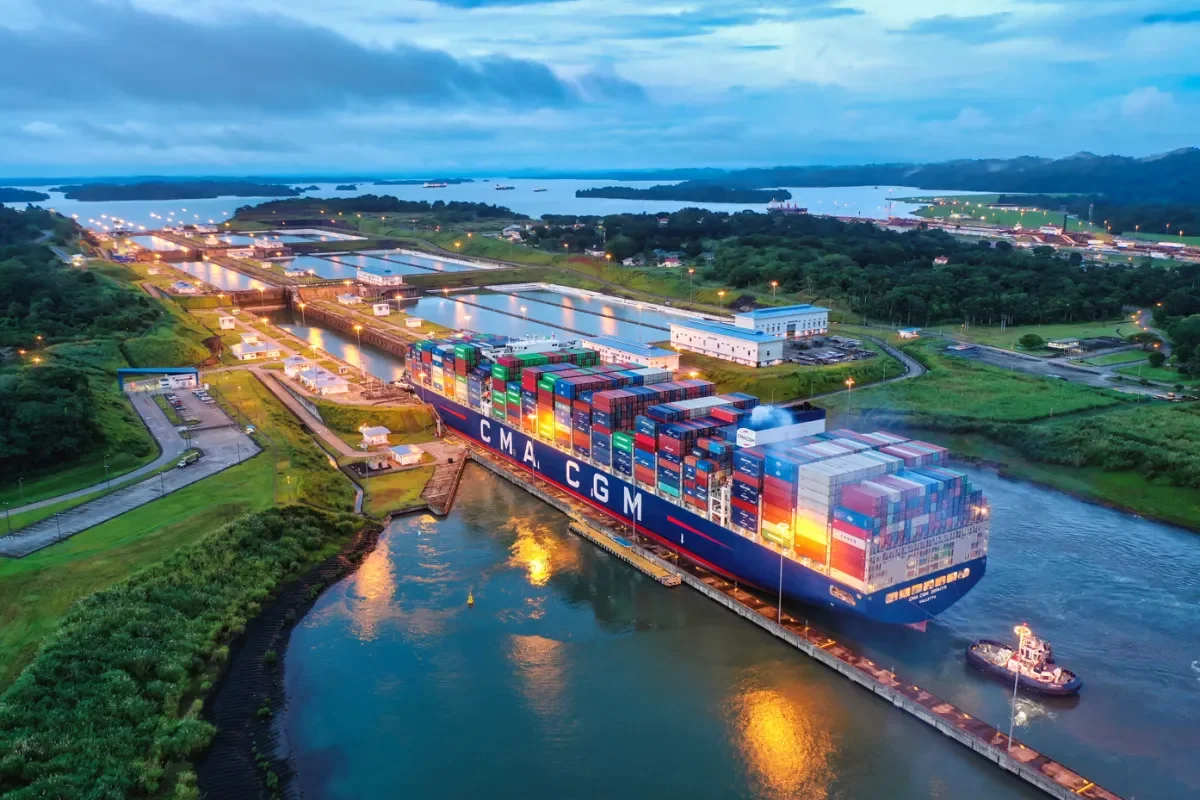
Panama Canal traffic surged 19.25 percent during fiscal year 2025, with 13,404 vessel transits recorded compared to 11,240 the previous year, according to official operating statistics released Monday. The interoceanic waterway also moved 262.3 million long tons of cargo, a 24.72 percent increase over fiscal 2024.
The September closing month saw 1,055 ships cross the canal, up 3.23 percent from 1,022 in September 2024. Cargo volume for the month rose more sharply, climbing 11.01 percent to 22.8 million long tons.
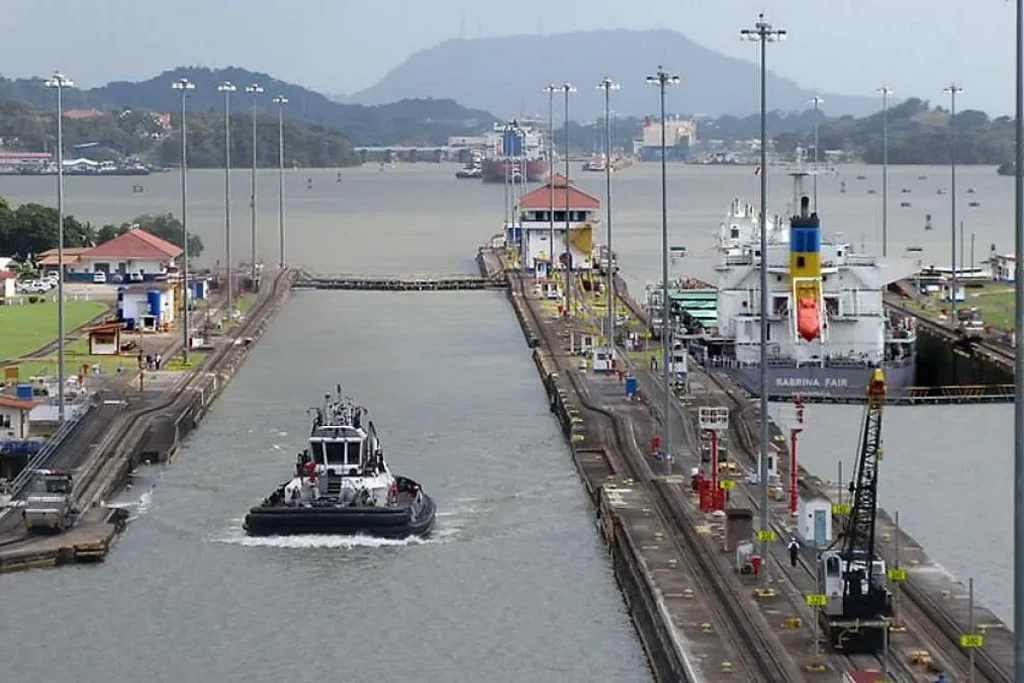
Panama Canal Traffic Distribution Across Lock Systems
The traditional Panamax locks handled 71.79 percent of all deep-draft transits, totaling 8,488 vessels. Chemical tankers led this segment with 2,428 crossings, followed by bulk carriers at 1,927 and vehicle carriers at 804.
The expanded Neopanamax locks, inaugurated in 2016, accounted for 3,336 transits or 28.21 percent of the total. Container ships dominated this category with 1,955 crossings, while gas carriers added 999 transits. Officials noted the larger locks continue moving the highest-value international cargo.
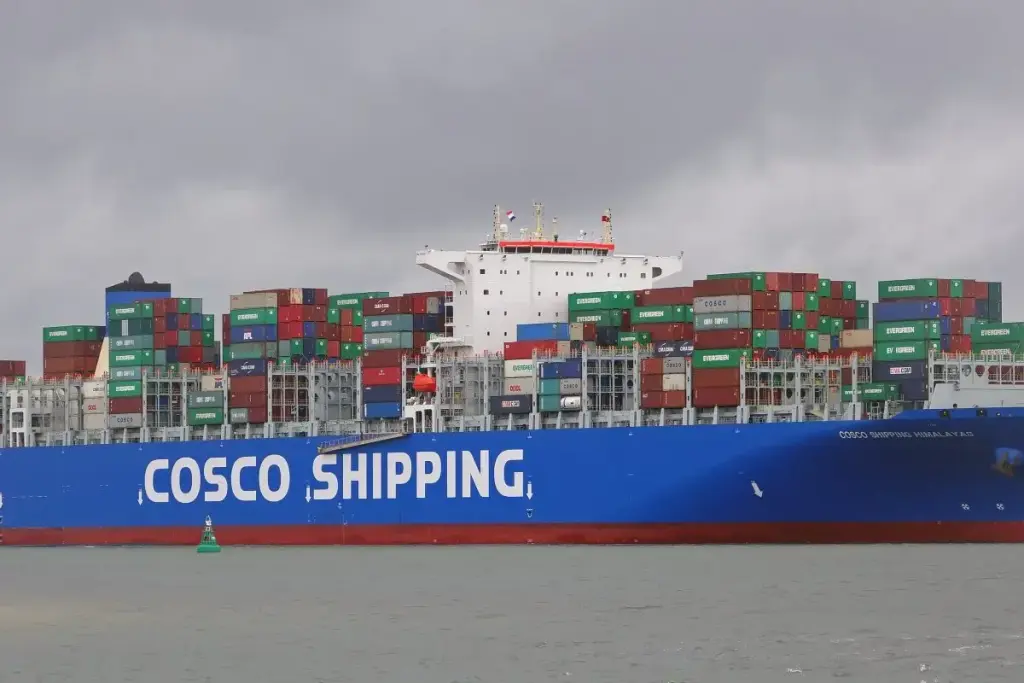
Monthly Breakdown by Vessel Type and Infrastructure
Container ships accumulated 2,723 total transits during the fiscal year, with Neopanamax locks capturing 1,955 vessels and Panamax handling 768. Chemical tankers showed a stark contrast, with 2,428 ships using traditional locks versus just four through Neopanamax.
Bulk carriers recorded 1,927 Panamax transits against 77 Neopanamax crossings. Gas carriers split more evenly, with 999 Neopanamax transits and 810 through Panamax. Vehicle carriers favored historic locks at 804 vessels compared to 77 through expanded infrastructure.
Refrigerated cargo ships logged 508 transits exclusively through Panamax locks. Tankers registered 402 Panamax crossings and 79 Neopanamax transits. Passenger vessels totaled 149 through traditional locks and 31 through expanded ones. Liquefied natural gas carriers recorded 102 Neopanamax transits and just three through Panamax.

Panama Canal Transits by Vessel Type and Lock System, FY 2024
| Vessel Type | Neopanamax Locks | Panamax Locks | Total Transits |
|---|---|---|---|
| Chemical Tankers | 4 | 2,428 | 2,432 |
| Bulk Carriers | 77 | 1,927 | 2,004 |
| Gas Carriers | 999 | 810 | 1,809 |
| Vehicle Carriers | 77 | 804 | 881 |
| Refrigerated Cargo | 0 | 508 | 508 |
| Tankers | 79 | 402 | 481 |
| Passenger Vessels | 31 | 149 | 180 |
| LNG Carriers | 102 | 3 | 105 |
Note: Container ships accounted for the remaining 1,955 Neopanamax and 768 Panamax transits, bringing the fiscal-year total to 2,723. Chemical tankers show the starkest lock preference, while LNG carriers are the only category to favor Neopanamax locks by a wide margin.
Source: Panama Canal Authority
Tonnage Metrics Show Stronger Recovery Than Transit Numbers
The CP SUAB measurement, a key canal metric for vessel capacity, reached 489.2 million at fiscal year close, up 15.61 percent from 423.1 million in 2024. September alone posted 41 million CP SUAB, a 3.11 percent increase year-over-year.
Displacement tonnage closed fiscal 2025 at 221,199 tons, rising 7.74 percent from 205,311 tons the prior year. September displacement tonnage jumped 43.84 percent to 22,575 tons from 15,694 tons in September 2024.
The fiscal year data confirms a robust rebound for the waterway following drought-restrictions that constrained operations in previous periods. The widening gap between transit growth and cargo volume growth indicates larger vessels are carrying heavier loads through both lock systems.