


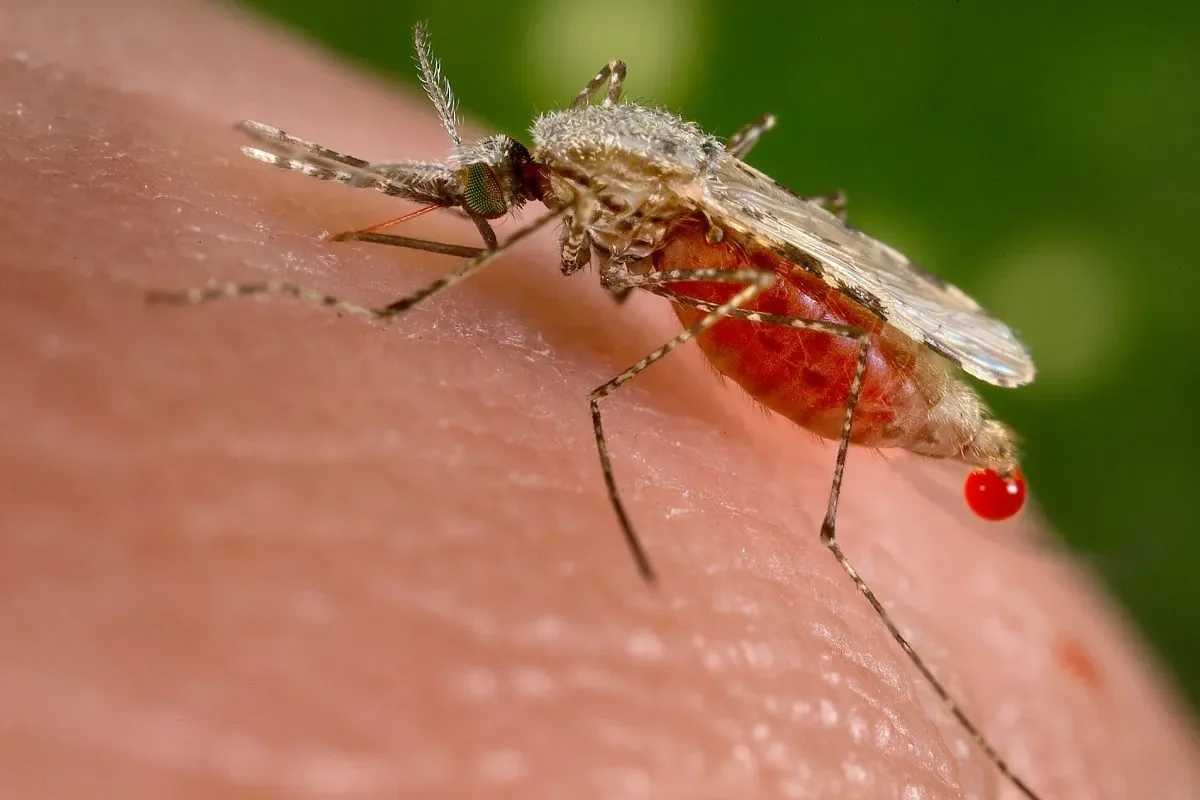
A malaria outbreak in Ancon has forced the temporary closure of Camino de Cruces National Park after health officials confirmed more than 160 cases in the township and a new infection in the Kuna Nega community. The Ministry of Environment announced the closure on November 19, following a health alert issued by the Ministry of Health tied to rising cases near the Merca Panamá wholesale market.
The park shutdown applies to all recreational visits and tourist activities. Park rangers and essential staff will continue working under strict prevention protocols, including fumigation and mosquito repellent use. Authorities said the reopening date will be evaluated jointly with health officials once conditions guarantee visitor and worker safety.

Kuna Nega Case Linked to Cerro Patacón Landfill
Health teams deployed to Kuna Nega identified one positive malaria case connected to infections previously detected at the Cerro Patacón landfill. During the operation, officials screened residents for symptoms and administered rapid diagnostic tests along with thick blood smear sampling to confirm infections.
The Ministry of Health maintains an active sanitary alert across the Ancon township as case counts continue to climb. Malaria is transmitted by the Anopheles mosquito, which breeds in stagnant water sources common near waste disposal sites and drainage canals.
Malaria en Ancón: detectan un caso en Kuna Nega y cierran el Parque Camino de Cruces Entra en https://t.co/rRnjtcgAZQ para más información 🔔
— Mi Diario Panamá (@MiDiarioPanama) November 20, 2026
Containment Measures and Vector Control Efforts
Environment officials have intensified fumigation campaigns and expanded monitoring of potential mosquito breeding grounds throughout the park and surrounding areas. Cleaning crews have also increased waste removal operations to eliminate standing water where Anopheles mosquitoes reproduce.
The outbreak has prompted inter-institutional coordination between health and environment agencies to contain transmission. The Merca Panamá area, a major commercial hub with high daily foot traffic, remains a focal point for surveillance and preventive interventions.
Regional Context and Public Health Response
Panama has faced recurring vector-borne disease challenges in recent years, with dengue claiming 20 lives this year alone. A dengue vaccine expected to arrive in 2027 may help reduce future mortality, but malaria requires separate control strategies including insecticide-treated nets, indoor residual spraying, and prompt case detection.
Health authorities have not announced a timeline for lifting the park closure. The decision will depend on sustained reductions in new malaria cases and confirmation that mosquito populations in the protected area no longer pose an active transmission risk to visitors.