


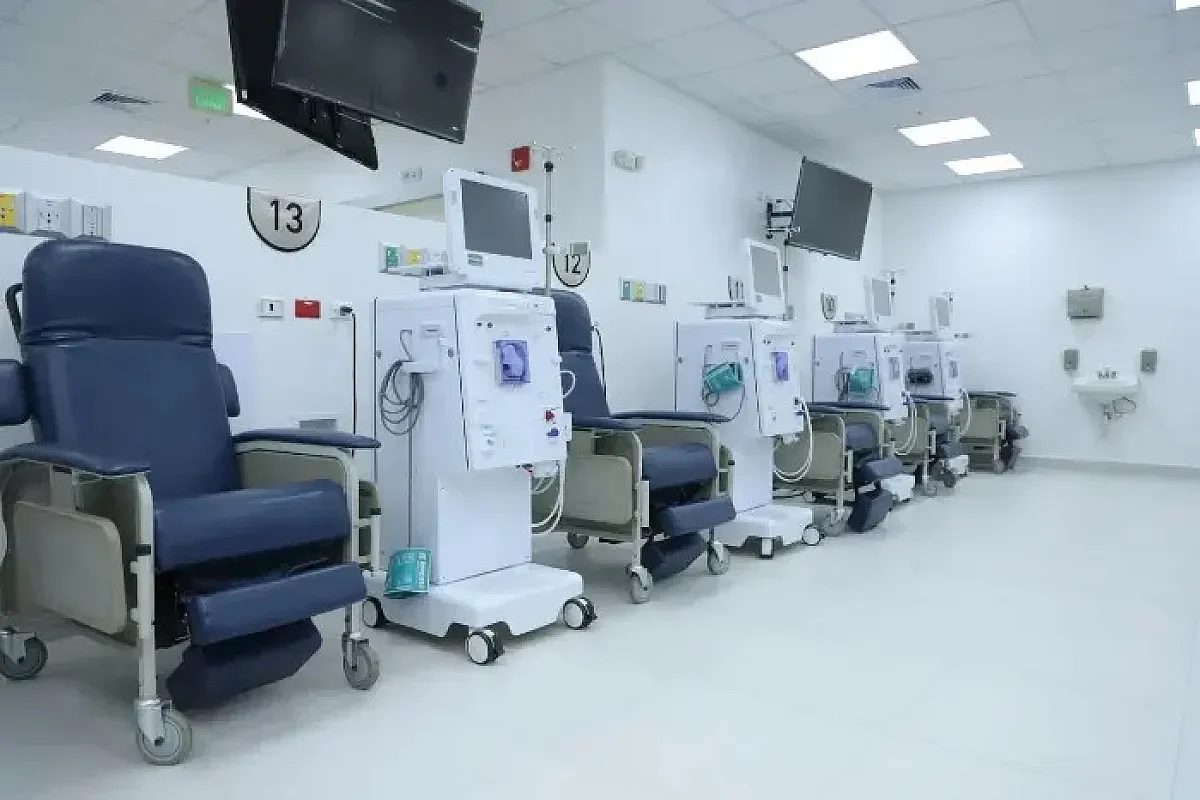
The number of hemodialysis patients Panama recorded grew by 18.9 percent between December 2019 and June 2026, according to official figures from the Social Security Fund (CSS). There are now 3,930 people receiving hemodialysis and peritoneal dialysis across the country’s public health system, a figure that excludes private hospital patients and undiagnosed cases.
Dr. Francisco Vargas Calderón, national coordinator for Renal Replacement Therapies and Chronic Kidney Disease at the CSS, confirmed the increase reflects expanded capacity rather than a purely epidemiological spike. The government is moving forward with a $178 million plan to construct new hemodialysis facilities, even as stark regional disparities persist.
Alrededor de 500 pacientes de hemodiálisis del @MINSAPma que reciben sus tratamientos en clínicas, están solicitando a la entidad la construcción de instalaciones en otras regiones del país o realizar convenios la @CSSPanama, y no concentrar a todos los pacientes en el Hospital Santo Tomás.
— Telemetro Reporta (@TReporta) November 6, 2026
Regional Disparities Affecting Hemodialysis Patients Panama
Coclé, Veraguas, and Chiriquí provinces carry a burden more than 40 percent higher than the national average for renal replacement therapy rates. Chronic kidney diseases account for approximately 3 percent of all annual deaths in Panama. The interior provinces show significantly higher case rates, yet specialist care remains concentrated in Panama City.
Vargas pointed to agricultural occupational hazards as a primary driver. Prolonged work under extreme heat with insufficient fluid replacement explains the elevated frequency of non-traditional nephropathy in these provinces, he said. Water quality compounds the problem. Herrera province has documented supply issues, and limited access to safe water creates risk through both dehydration and consumption of contaminated sources.
Pesticide contamination in rivers feeding water treatment plants has been documented across Azuero, Coclé, and Chiriquí. The crisis in Azuero is longstanding and not confined to that region alone.
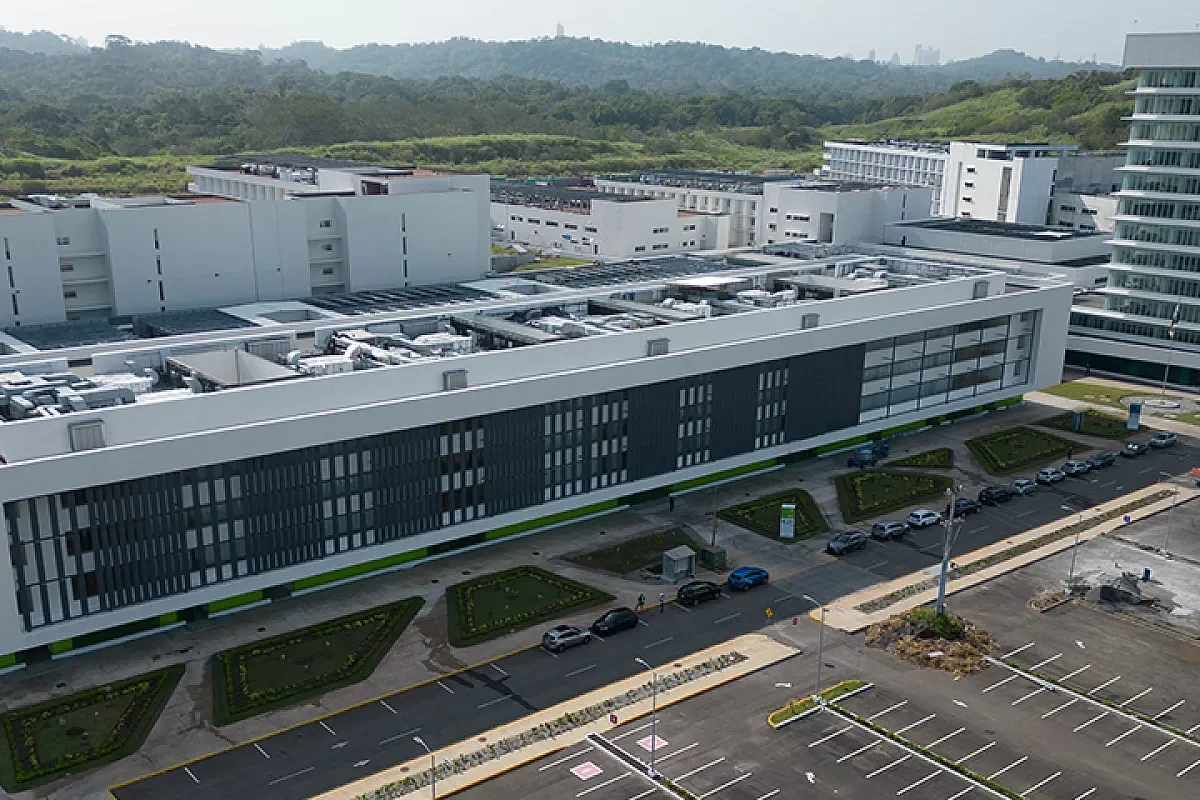
Specialist Shortage Deepens Rural Healthcare Gap
The three central provinces with the highest kidney disease rates share just six CSS nephrologists. Chiriquí, with a rate of 909 patients per million inhabitants, has only three specialists. The Ministry of Health has no nephrologists outside the capital, with all seven of its specialists stationed in Panama City.
In total, the CSS employs 27 nephrologists nationwide. With 2,965 CSS patients in dialysis, that translates to roughly 110 patients per specialist. The gender distribution in affected provinces also skews heavily male. Coclé shows four men for every woman in hemodialysis, Veraguas 2.8, and Chiriquí 3.5, compared to 1.6 in Panama province. Traditional medical literature attributes this to intense agricultural labor and recurrent dehydration during fieldwork.
“There is an asymmetry that must be corrected. Outside the metropolitan area, nephrological care in the country rests essentially on the human resources of the Social Security Fund” [Translated from Spanish]

Policy Response and Future Capacity Expansion
Vargas said his office is developing a teaching recommendations plan focused on training and assigning specialists to underserved regions. The challenge extends beyond current patient counts. The 3,930 figure represents only a baseline, since it excludes private hospital patients and those who remain undiagnosed.
The expansion in patient numbers since 2019 partly reflects success in bringing previously excluded individuals into the system. New hemodialysis rooms under the $178 million initiative aim to address both capacity and geographic distribution. But the specialist gap remains the binding constraint, particularly for provinces where agricultural workers face compounding risks from heat exposure, dehydration, and contaminated water sources.
Kidney disease prevention efforts must address water infrastructure and occupational health standards in agricultural zones, officials indicated. Without those interventions, demand for dialysis services will continue climbing faster than the system’s ability to staff and equip facilities outside the capital.