



A new Inter-American Development Bank (IDB) report shows Panama exports decline by 22.1 percent in the first quarter of 2026, a contraction severe enough to drag down Central America’s overall trade performance while the rest of Latin America surged ahead. The drop stems from what economists call a statistical distortion tied to the shuttered Cobre Panamá mine.
The IDB’s Trade and Integration Monitor 2026 found that Latin American and Caribbean exports grew 19.5 percent in the first half of 2026. But Central America was the only subregion to lose momentum, with its external sales growth slipping from 11.0 percent in 2025 to 8.3 percent in early 2026, largely because of Panama’s collapse.
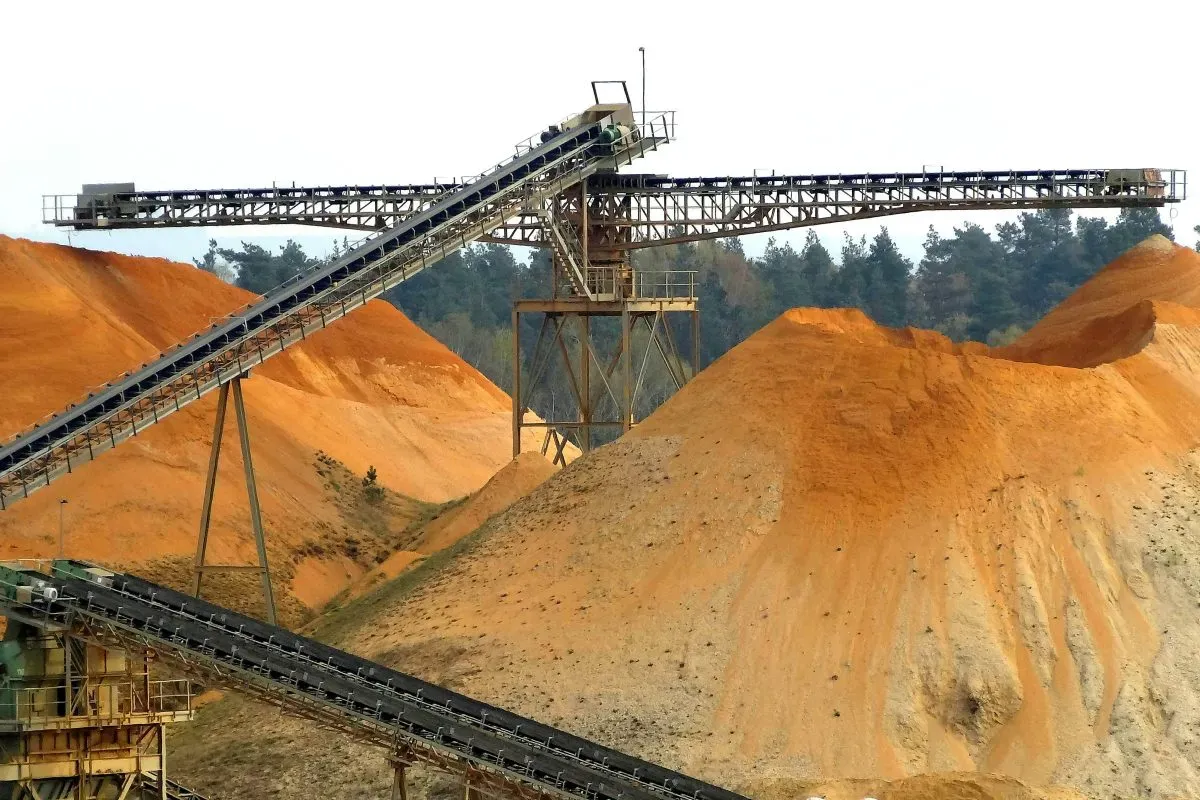
Panama Exports Decline Tied to Copper Inventory Effect
The mine stopped commercial operations in November 2023 after Panama’s Supreme Court declared the concession contract unconstitutional. No copper concentrate has been produced since. But concentrate already stockpiled at the site remained available for shipment.
In 2025, authorities authorized the export of that stored copper. The result was a temporary surge in Panama’s export values. By June 2025, goods exports including copper had risen 36.9 percent year over year. That inflated the comparison base for 2026. Once the inventory was exhausted, the year-over-year comparison collapsed into negative territory.
“Panama’s sales fell in the first part of 2026 due to a statistical effect: in 2025 the export of stored copper from the Cobre Panamá mine had been authorized, without commercial operations since November 2023, following the Supreme Court ruling that declared the law approving the concession contract unconstitutional, which raised the exported value and the comparison base” [Translated from Spanish]
The Economic Commission for Latin America and the Caribbean (ECLAC) supports this assessment. Its October 2026 trade outlook projects Panama’s goods exports will fall 14 percent for the full year, following a 23 percent interannual drop in the first half. ECLAC identifies Panama as the most notable contraction case in the region.

Latin America Export Growth Rates, 2025 vs 2026
| Country / Region | 2025 Growth (%) | 2026 Growth (%) | Key Drivers |
|---|---|---|---|
| Panama | — | — | Dragged Central America downward |
| Costa Rica | 13.8 | 5.8 | Medical devices, machinery, pineapple, banana, coffee |
| Guatemala | 7.1 | 4.9 | — |
| Honduras | 10.4 | 3.7 | — |
| El Salvador | 1.9 | 4.1 | Electrical equipment, sugar exports |
| Nicaragua | 15.4 | 25.7 | — |
| Dominican Republic | 11.2 | 14.8 | Precious stones, jewelry, tobacco, medical products |
| Mesoamerica | 8.0 | 22.7 | Mexico: 7.6% → 24.6%, 21.9% rise in real sales volumes |
| South America | 7.2 | 16.5 | Higher prices for copper, gold, crude oil, soybeans |
Source: see article above
Regional Trade Patterns Diverge Sharply
While Panama dragged Central America downward, other countries in the subregion posted mixed results. Costa Rica slowed from 13.8 percent growth in 2025 to 5.8 percent in 2026, supported by medical devices, machinery, pineapple, banana, and coffee. Guatemala eased from 7.1 percent to 4.9 percent. Honduras decelerated from 10.4 percent to 3.7 percent.
El Salvador accelerated from 1.9 percent to 4.1 percent on electrical equipment and sugar exports. Nicaragua jumped from 15.4 percent to 25.7 percent. The Dominican Republic climbed from 11.2 percent to 14.8 percent, driven by precious stones, jewelry, tobacco, and medical products.
Mesoamerica as a whole surged from 8.0 percent to 22.7 percent growth, led by Mexico’s acceleration from 7.6 percent to 24.6 percent on a 21.9 percent increase in real sales volumes. South America also picked up pace, rising from 7.2 percent to 16.5 percent growth, helped by higher international prices for copper, gold, crude oil, and soybeans.
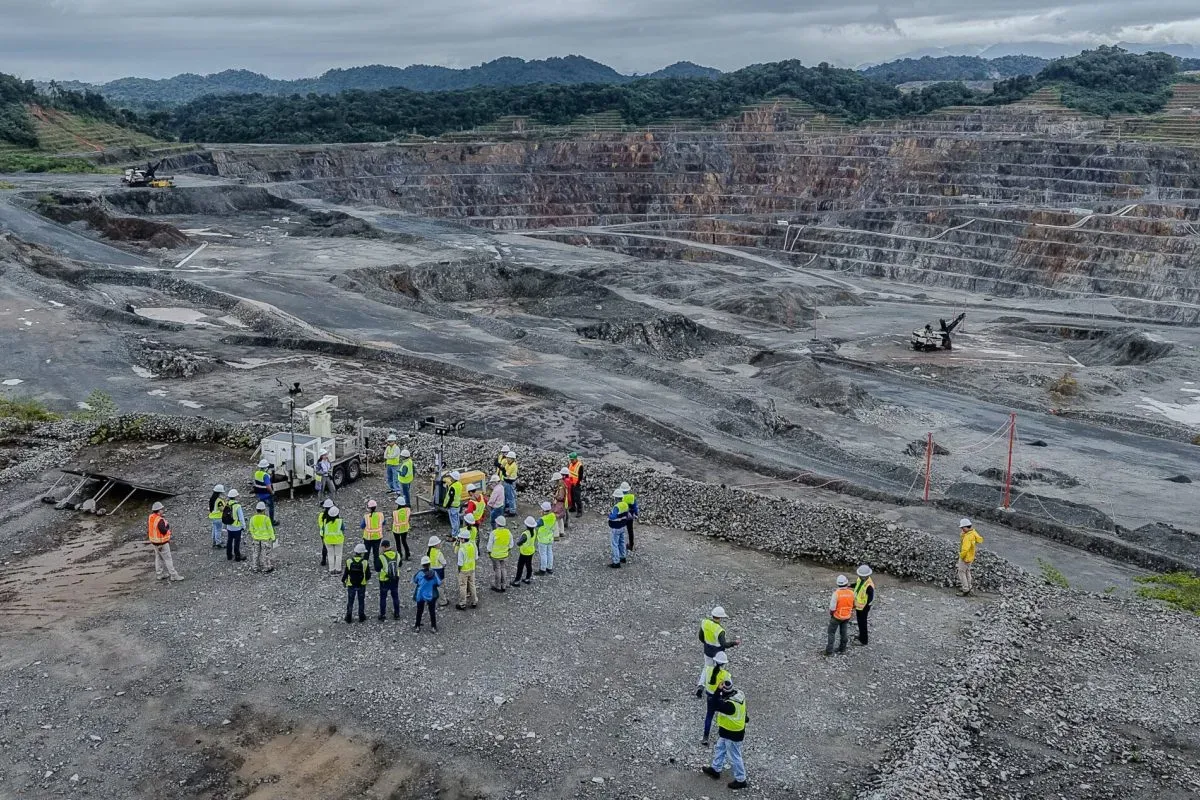
Mining Closure Reshapes Panama’s Trade Outlook
The Cobre Panamá closure continues to reshape Panama’s economic landscape. The mine accounted for roughly 5 percent of GDP before its shutdown. Its absence has forced a recalibration of export expectations and fiscal projections. The copper inventory sales provided a temporary buffer, but that cushion has now disappeared.
Bolivia posted the region’s most dramatic expansion, surging from 8.3 percent to 55.0 percent on gold and silver mining. Peru climbed from 22.7 percent to 34 percent. Both countries benefited from the same copper price environment that Panama can no longer exploit without an operating mine.
The IDB report analyzed commercial performance across 18 countries in Latin America and the Caribbean. The document frames the broader regional picture as one of resilience, with regulatory architecture serving as a draw for foreign investment. Panama now faces the challenge of diversifying its export base without its former mining engine.