



Six environmental organizations have accepted a Supreme Court ruling that rejected their lawsuit against the Puerto Baru project in David, Chiriquí province, while warning the decision weakens public participation standards under the Escazú Agreement. The groups said their legal challenge never sought to cancel the $250 million private port development, but rather to force its relocation away from protected mangrove ecosystems.
The Third Chamber of Panama’s Supreme Court ruled against the nullification claim filed against the Environmental Impact Study approved through Resolution DEIA-IA-0003-2024, issued by the Ministry of Environment. The decision, announced October 30, 2026, resolved a dispute that has pitted regional economic development goals against biodiversity conservation mandates.
El abogado @HarleyMitchellM lamentó que una demanda se haya utilizado como componente de una campaña que utilizó el derecho para fines que no corresponden, perjudicando a la comunidad chiricana que espera el desarrollo del Puerto Barú. https://t.co/vMhISxUSXO
— Telemetro Reporta (@TReporta) November 1, 2026
Puerto Baru Project Legal Challenge and Court Decision
The coalition includes the Center for Environmental Advocacy of Panama (CIAM), Adopta Bosque Panamá, the Panamanian Center for Studies and Social Action (Ceaspa), Fundación Panacetacea, Proyecto Primates Panamá, and Fundiccep. In an official statement, the organizations clarified that their lawsuit did not attempt to prove overlap between the project and mangrove areas in general terms.
Instead, the legal argument focused on demonstrating that “the project polygon, including its navigation channel, overlaps with the protected area” [Translated from Spanish]. The court’s analysis, But, was limited to procedural omissions rather than substantive environmental impact questions, according to the groups.
“Our lawsuit was not based on nor sought to prove an overlap between the project and the mangrove area” [Translated from Spanish]
The coalition expressed concern that the ruling “sets a worrying precedent for public participation in environmental decisions” [Translated from Spanish]. The court determined that the Ministry of Environment merely archiving proof of receiving citizen observations satisfies Escazú Agreement requirements, a standard the organizations consider insufficient for meaningful public consultation.
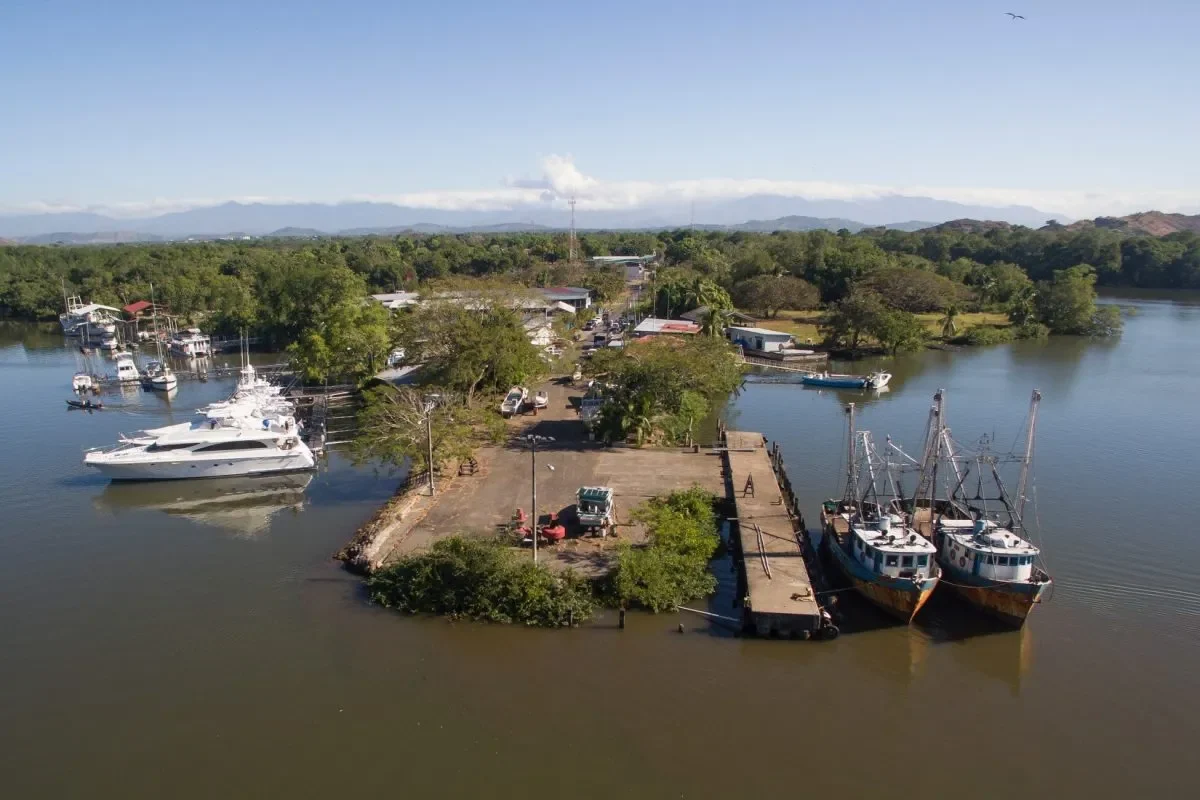
Relocation Demand and UNESCO World Heritage Concerns
CIAM and Adopta Bosque have maintained a consistent position throughout their campaign. They do not oppose the port infrastructure itself, but demand its geographical relocation to prevent direct impacts on the region’s mangrove ecosystem. This distinction separates their advocacy from outright project opposition.
The environmental groups also highlighted an active request from UNESCO’s World Heritage Committee to reevaluate the project’s effects on Coiba National Park. A report on this matter is due December 1. The organizations stated that authorities must “ensure rigorous evaluation of any possible serious or irreversible damage and apply the precautionary principle” [Translated from Spanish].
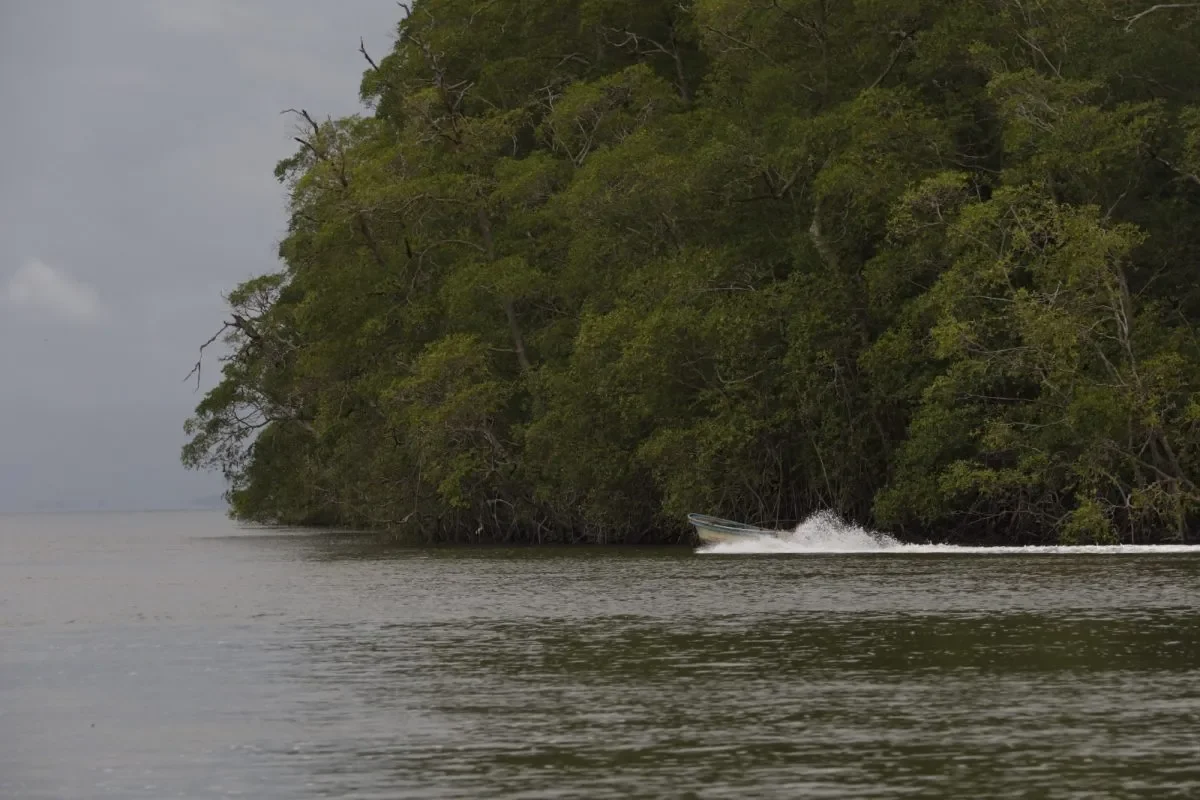
Economic Development Versus Environmental Protection
The Puerto Baru project represents a significant private investment aimed at transforming logistics infrastructure in Panama’s Western Region. Proponents emphasize its capacity to boost local employment, expand Chiriquí province’s commercial connectivity, and strengthen regional competitiveness in the global trade corridor.
Environmental advocates counter that these economic benefits should not come at the expense of mangrove forests that provide critical habitat for marine biodiversity and natural coastal protection. The groups reiterated their commitment to environmental defense “always grounded in the regulatory framework, sound scientific evidence, and our full autonomy” [Translated from Spanish].
The court’s decision marks a pivotal moment for infrastructure development in Panama’s coastal zones. While the ruling clears a legal path for the project to proceed, the upcoming UNESCO report could introduce new international pressure for reassessment. The tension between development priorities and conservation obligations remains unresolved as the December 1 deadline approaches.