


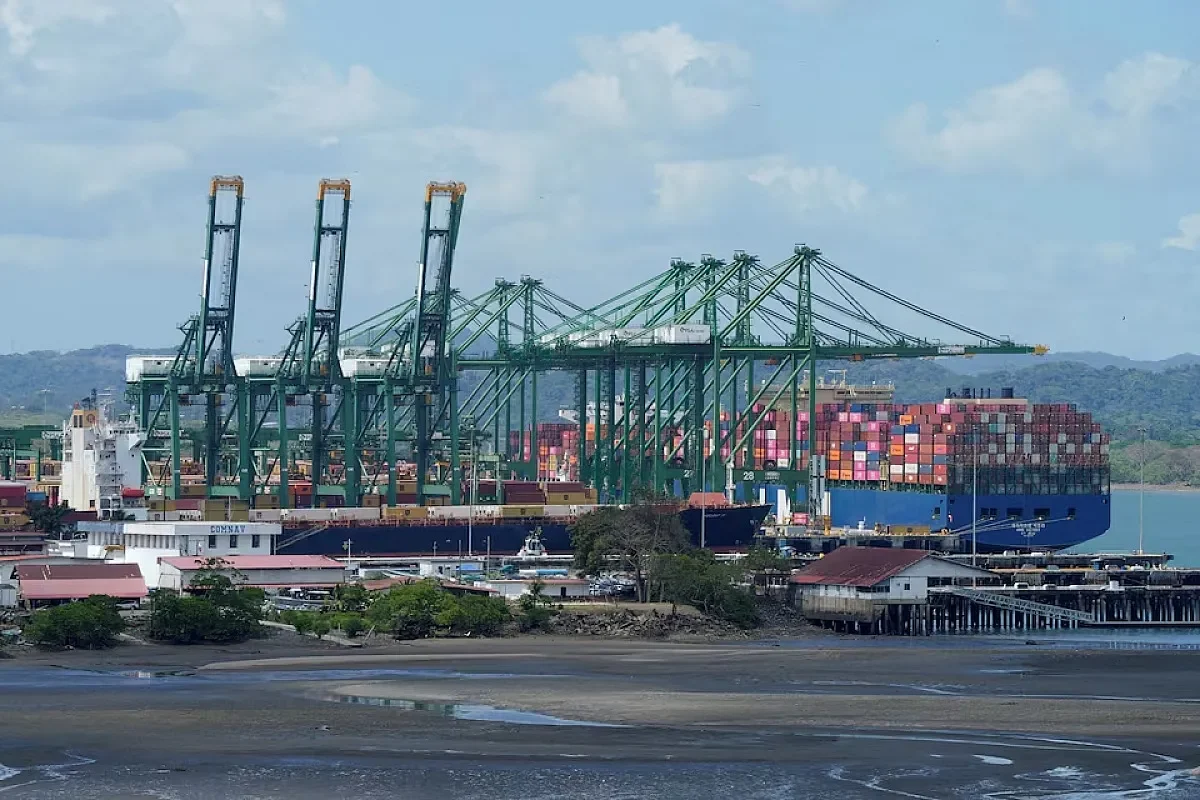
Danish shipping giant A.P. Moller-Maersk has formally confirmed its intention to pursue permanent operating rights for Maersk Panama ports, positioning itself for upcoming government tenders that will reshape the country’s maritime infrastructure. The announcement comes nine months after Panama’s Supreme Court struck down the concession contract held by Panama Ports Company for the Balboa and Cristóbal terminals.
Antonio Domínguez, president of Maersk for Latin America and the Caribbean, said the company is ready to compete when Panamanian authorities open the bidding process. The firm currently operates Balboa port through its subsidiary APM Terminals Panama under an 18-month temporary contract approved by the Cabinet Council in February.
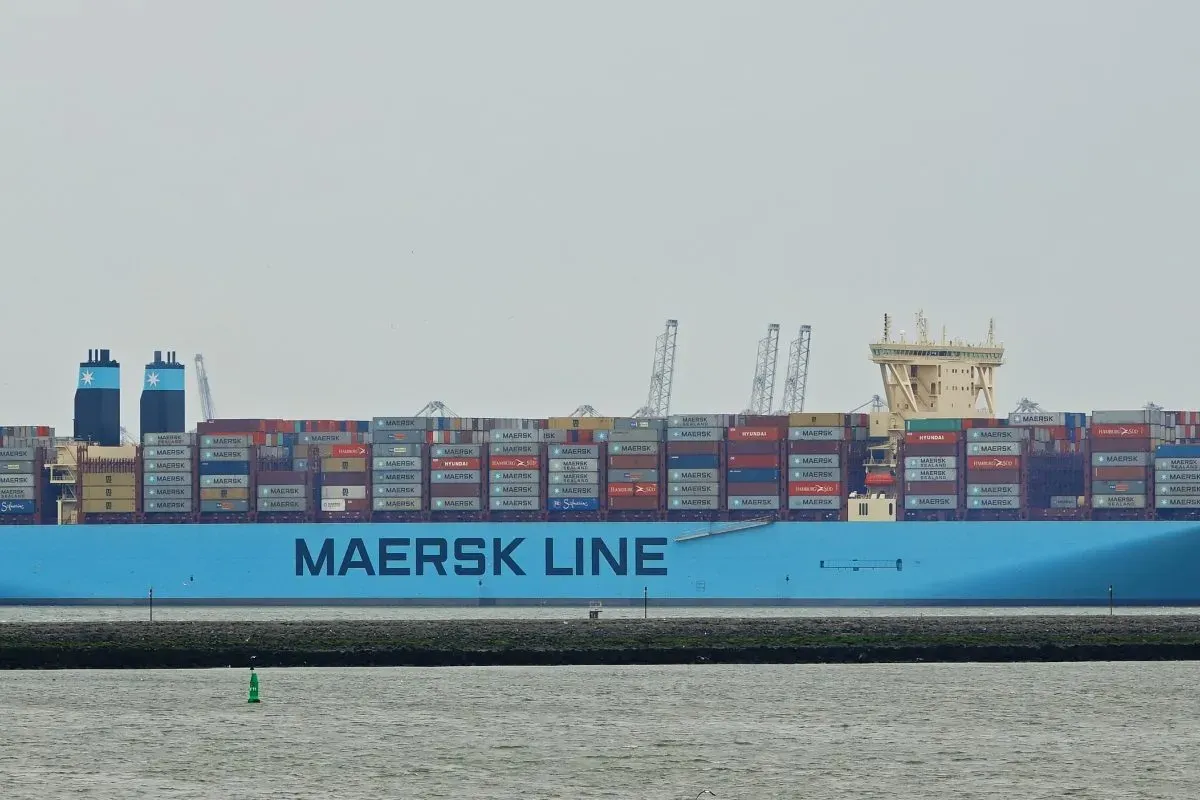
Maersk Panama Ports Strategy Expands Beyond Balboa
The Copenhagen-based group’s ambitions extend well beyond its current temporary foothold. Domínguez identified two major development opportunities that could attract Maersk investment: the Corozal terminal on the Pacific side and Isla Telfers on the Atlantic coast. The Panama Canal Authority expects to award concessions for both projects by late 2027, with preliminary combined investment estimates reaching $2.6 billion.
“I believe the Panamanian government needs to define when it will hold the tender for the concession. Maersk has believed in Panama its entire life. Of course APM Terminals sees Panama as a nerve center for our operations and, when the opportunity opens, we will be present,” Domínguez said [Translated from Spanish].
The executive emphasized the company’s century-long relationship with Panama, stating the corporation is positioned for another 100 years of operations. Terminal Investment Limited, a subsidiary of Mediterranean Shipping Company, currently manages Cristóbal port under a similar temporary arrangement.
Maersk ratifica su interés de operar de forma permanente los puertos en Panamá https://t.co/O6jteSepRb https://t.co/xCV2Rk6xUK
— a50pma™ (@a50pma) October 28, 2026
Operational Continuity During Transition Period
Since assuming temporary control of Balboa, APM Terminals Panama has prioritized maintaining uninterrupted cargo flows through one of Latin America’s busiest transshipment hubs. Domínguez characterized the interim period as a positive experience focused on protecting Panama’s logistics platform.
“Naturally, what we are doing is operating for 18 months at the request of the Panamanian government; it is not a concession. So far it has been a very good experience. We have kept the operation running, which was the most important thing. Our job was to protect Panama’s logistics hub and we believe we have done it well,” Domínguez stated [Translated from Spanish].
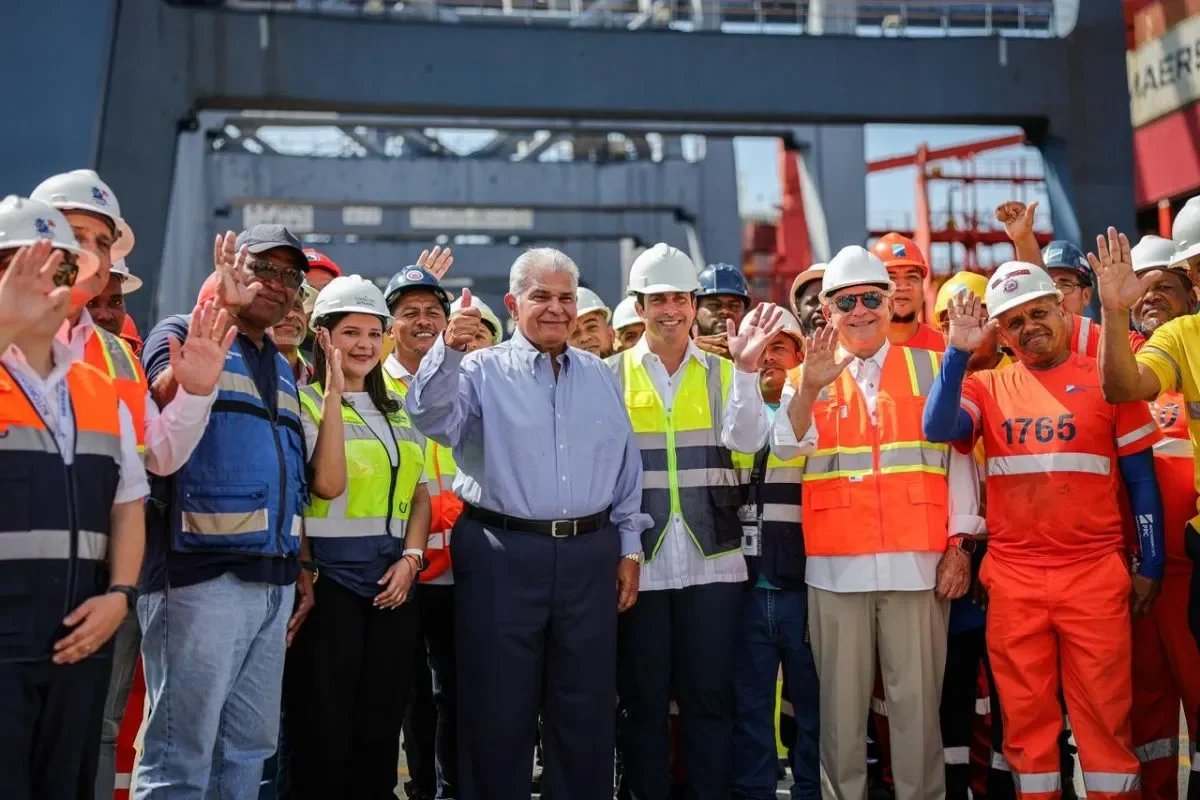
Panama’s Role in Global Supply Chain Reconfiguration
Global supply chain disruptions have prompted multinational companies to seek secondary routes and value-added processing locations closer to the United States market. Domínguez argued Panama uniquely satisfies these requirements, offering access to both Pacific and Atlantic coasts, short transit times, and established logistics infrastructure.
“Many companies have told us: I need a second route. I need a place where I can add value to my imports. I need a location closer to my main consumer market, the United States. I need a country where I can add value with processes, where transit times are short, where I can access both coasts, the Pacific, the Atlantic, the Caribbean. Panama checks all those boxes,” Domínguez explained [Translated from Spanish].
Since 2018, Maersk has pursued an end-to-end logistics integrator strategy, expanding beyond container shipping into air freight, warehousing, andservices. The company’s interest in permanent Panamanian port operations aligns with this broader transformation, as it seeks to control more links in the global supply chain. With the Canal expansion complete and new terminal projects on the horizon, Panama’s strategic position in hemispheric trade continues to attract major maritime investment.