


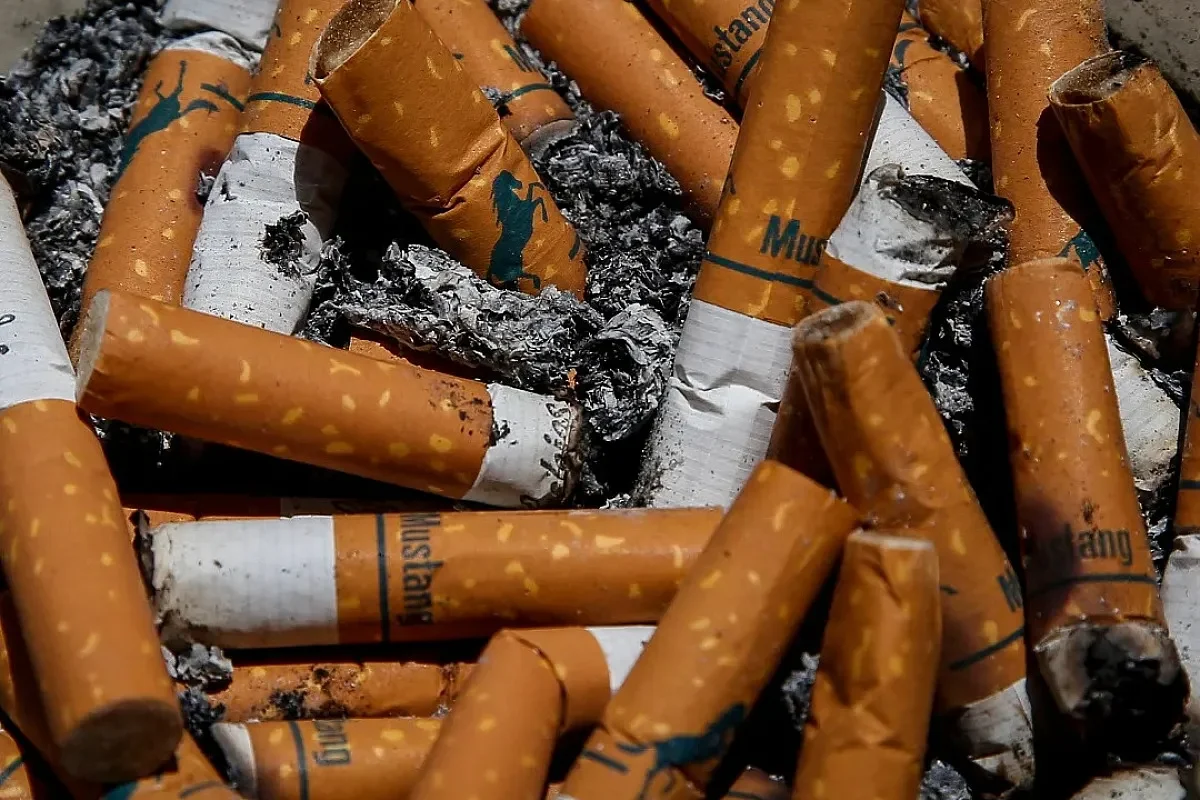
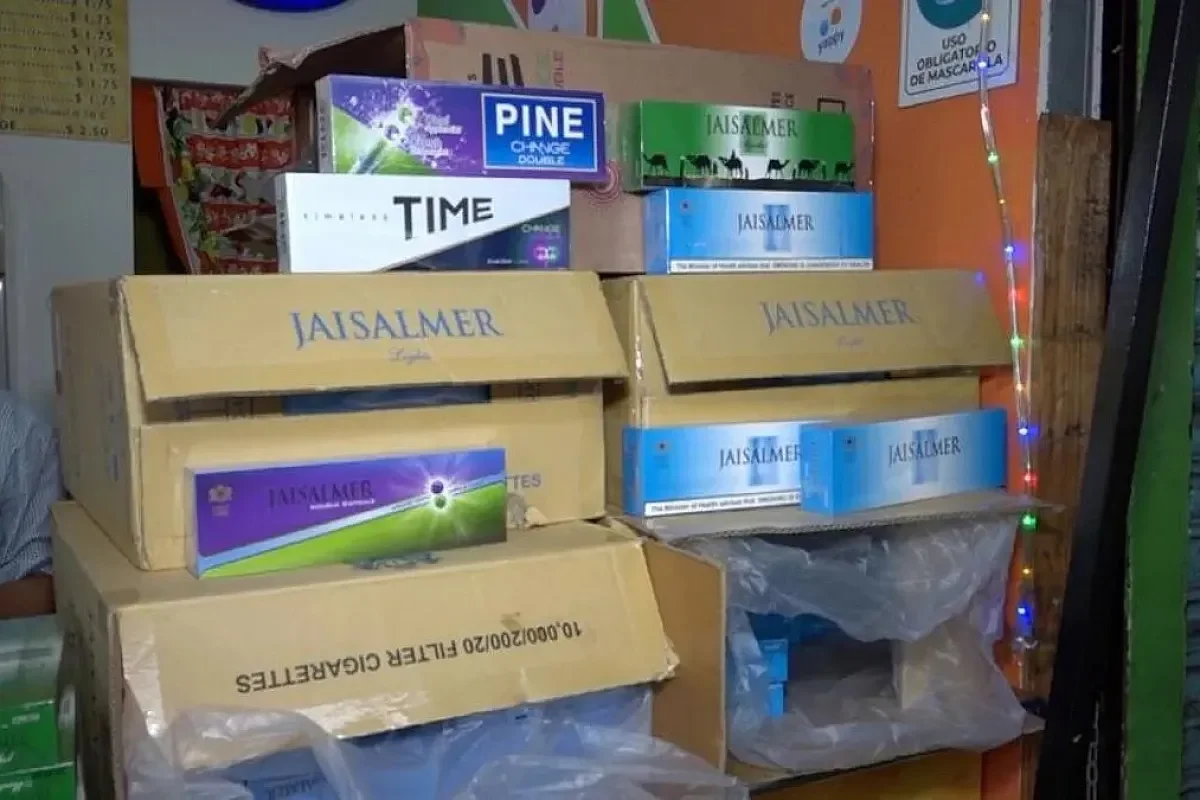
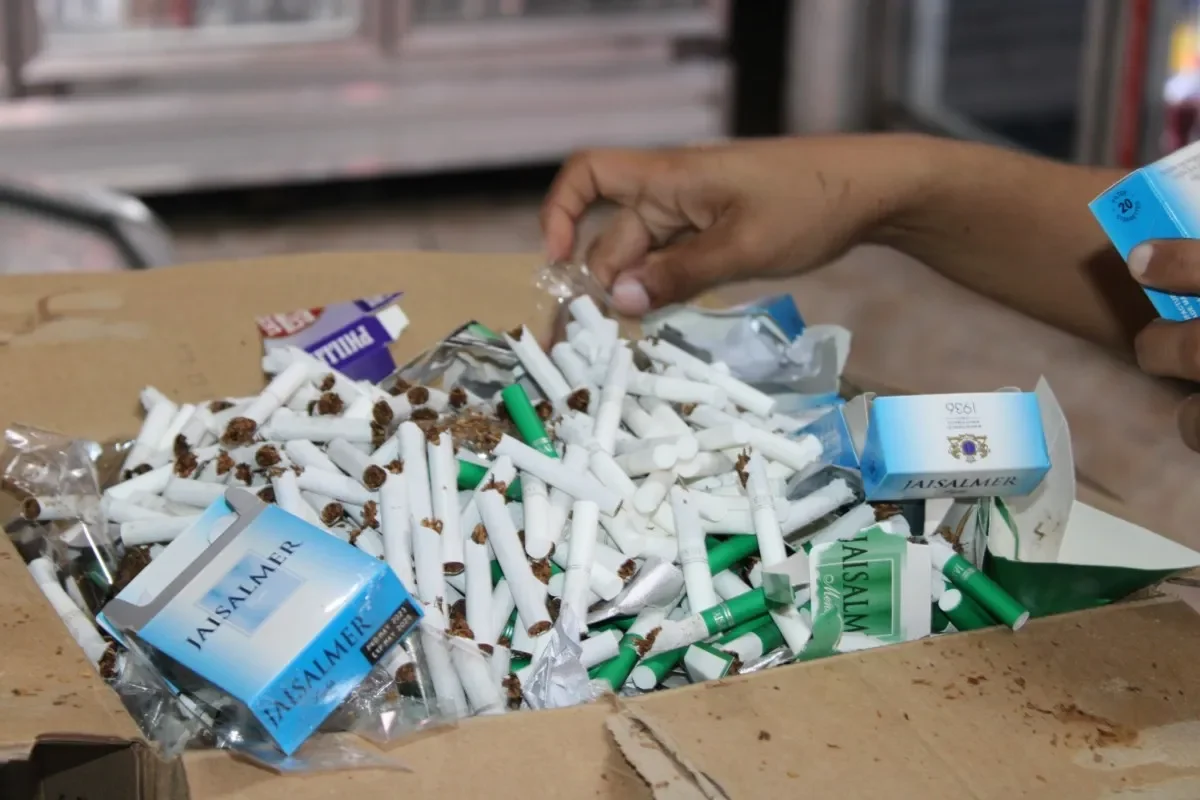
Roughly 50 percent of tobacco products sold in Panama are believed to come from illegal sources, according to health authorities tracking the illicit tobacco trade. The estimate emerged during the second working group session on Article 24 of the Protocol to Eliminate Illicit Trade in Tobacco Products, which brought together representatives from multiple regions.
The Ministry of Health (Minsa) delivered the figure as part of ongoing efforts to measure and counter smuggling networks that undercut legal markets and evade tax collection. Officials framed the problem as both a public health crisis and a financial drain on state revenue.
Illicit Tobacco Trade and Emerging Products
Dr. Miguel Jordán, a physician with the Non-Communicable Diseases Department at Minsa, acknowledged that precise data remains elusive for newer nicotine products such as vapes. The ministry currently lacks a reliable measurement of illegal vaping product circulation.
To close that gap, Minsa is partnering with the Gorgas Memorial Institute for Health Studies on a market study. The research aims to produce specific information that can strengthen control measures and better protect consumers from unregulated devices and liquids.
Senafront encontró 40 mil cigarrillos en el maletero de un taxi durante una revisión en San Isidro. Un ciudadano fue aprehendido por presunto contrabando. https://t.co/4sPiCvlqgL
— Mi Diario Panamá (@MiDiarioPanama) October 28, 2026
Cross-Border Cooperation Under Article 24
Article 24 of the protocol focuses on boosting assistance, cooperation, and information sharing among signatory states. The provision targets an underground economy that officials say fuels organized crime while exposing users to products that bypass safety regulations.
Panama has activated a national interinstitutional commission to coordinate enforcement. Jordán said the effort pulls together the National Customs Authority, the Public Ministry, the Judicial Branch, the Ministry of Public Security, and the Ministry of Environment.
“Panama promotes coordination between institutions such as the National Customs Authority, the Public Ministry, the Judicial Branch, the Ministry of Public Security and the Ministry of Environment, through the National Interinstitutional Commission for the Implementation of the Protocol. This articulation seeks to reinforce surveillance, information exchange and the application of measures against illegal trade” [Translated from Spanish]
The commission’s mandate includes tightening border inspections, improving data flows between agencies, and applying penalties against trafficking operations. Health officials argue that without such coordination, criminal networks will continue exploiting regulatory gaps across Central America.
Government Commitment and Industry Interference
Health Minister Fernando Boyd Galindo reaffirmed Panama’s adherence to both the protocol and the World Health Organization Framework Convention on Tobacco Control. He described a comprehensive, multisectoral strategy designed to strengthen state institutions while keeping tobacco industry influence out of policy decisions.
Boyd Galindo’s remarks signal continuity with previous administrations that have resisted partnerships with tobacco companies on enforcement matters. The government’s position aligns with WHO guidance urging member states to maintain strict separation between public health policymaking and commercial interests.
Regional observers note that Panama’s geographic position as a logistics hub makes it vulnerable to transshipment of contraband cigarettes. The high estimated share of illegal products also reflects price differentials with neighboring countries, where taxes on tobacco remain lower. As the working group continues its sessions, participating nations are expected to refine mechanisms for tracking shipments and sharing seizure data across borders.