


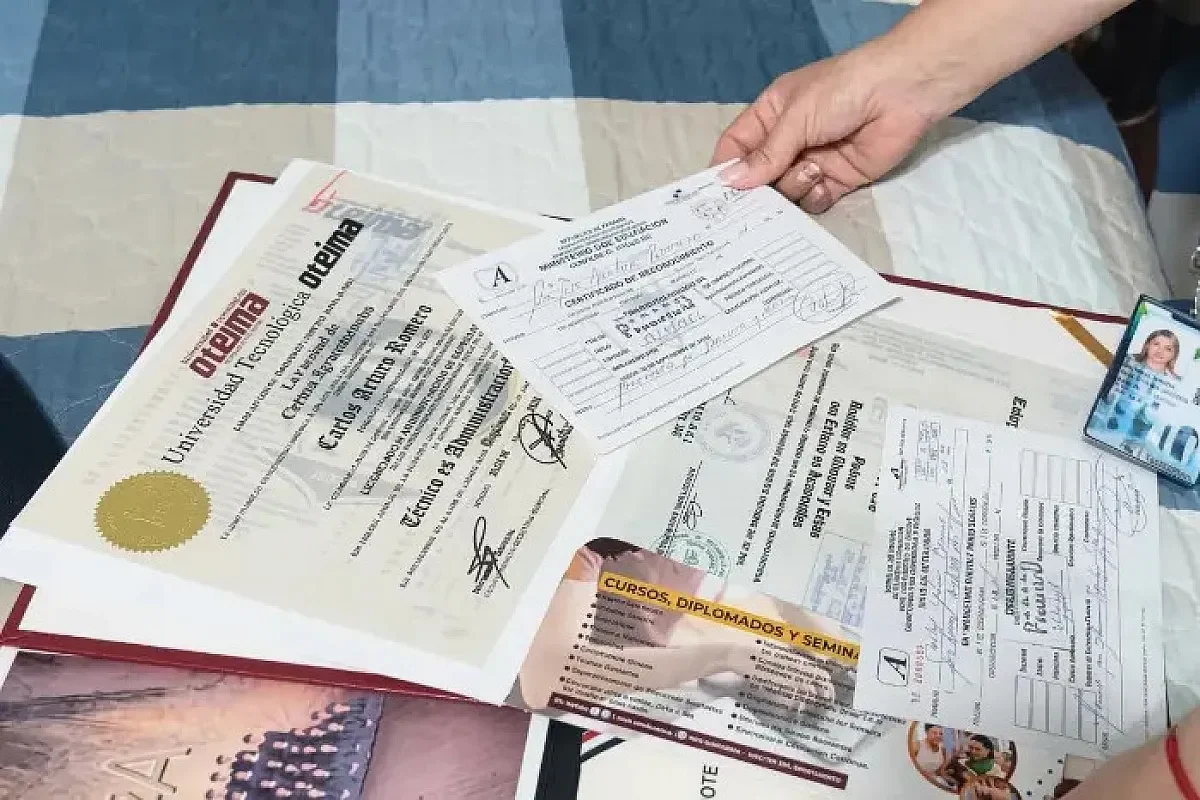
Panamanian authorities have issued an impersonation scam alert after discovering forged court documents circulating under the official seal of the Public Ministry. The Attorney General’s Office (PGN) confirmed that criminals are fabricating fake subpoenas and arrest warrants to extort money from citizens, marking a significant escalation in document fraud across the country.
The fraudulent papers replicate official logos, stamps, and formatting to appear legitimate. Scammers then use these counterfeits to pressure victims into immediate bank transfers or to surrender sensitive personal data, investigators said. The scheme preys on fear of legal consequences, with many documents threatening immediate detention if payment is not made.
How the Impersonation Scam Alert Documents Work
The PGN emphasized that no legitimate government procedure requires payment through phone calls, text messages, social media, or email. Official notifications follow a formal review process before issuance, leaving telltale signs on counterfeit versions. Spelling mistakes, grammatical errors, and distorted logos rank among the most common red flags.
Other warning signs include blurred official seals, threats of immediate arrest, instructions to keep the matter confidential, and demands for bank transfers. The Attorney General’s Office stressed that manufacturing or using false documents constitutes a criminal offense that the Public Ministry actively investigates.
La Procuraduría General de la Nación alerta a la ciudadanía que personas están fabricando documentos falsos con el nombre, logo y sellos de la institución, simulando citaciones, órdenes de aprehensión o notificaciones de investigación para estafar. @PGN_PANAMA https://t.co/P9Vvj9iykw
— Telemetro Reporta (@TReporta) October 25, 2026
Verification Steps and Reporting Channels
Anyone receiving a suspicious notification should refrain from making payments or sharing personal and banking information. Authorities recommend preserving the document and any accompanying messages as evidence for investigators. Victims can verify authenticity by calling 311 or visiting a Public Ministry subregional office.
The warning comes amid a broader rise in government impersonation schemes across Latin America, where fraudsters increasingly exploit official imagery to lend credibility to their operations. Panama’s Attorney General’s Office has not disclosed the number of reported cases but urged immediate reporting to help track the fraudulent networks behind the operation.
Public Advisory and Legal Consequences
The PGN’s advisory underscores that citizens should not yield to pressure from messages announcing immediate legal consequences. Legitimate judicial notifications never request payment or demand secrecy. The office reiterated that all official procedures are free of charge and conducted through established legal channels.
Investigators continue to trace the origin of the forged documents while reminding the public that document fraud carries serious penalties under Panamanian law. The Attorney General’s Office maintains that public vigilance remains the first line of defense against these impersonation tactics.