


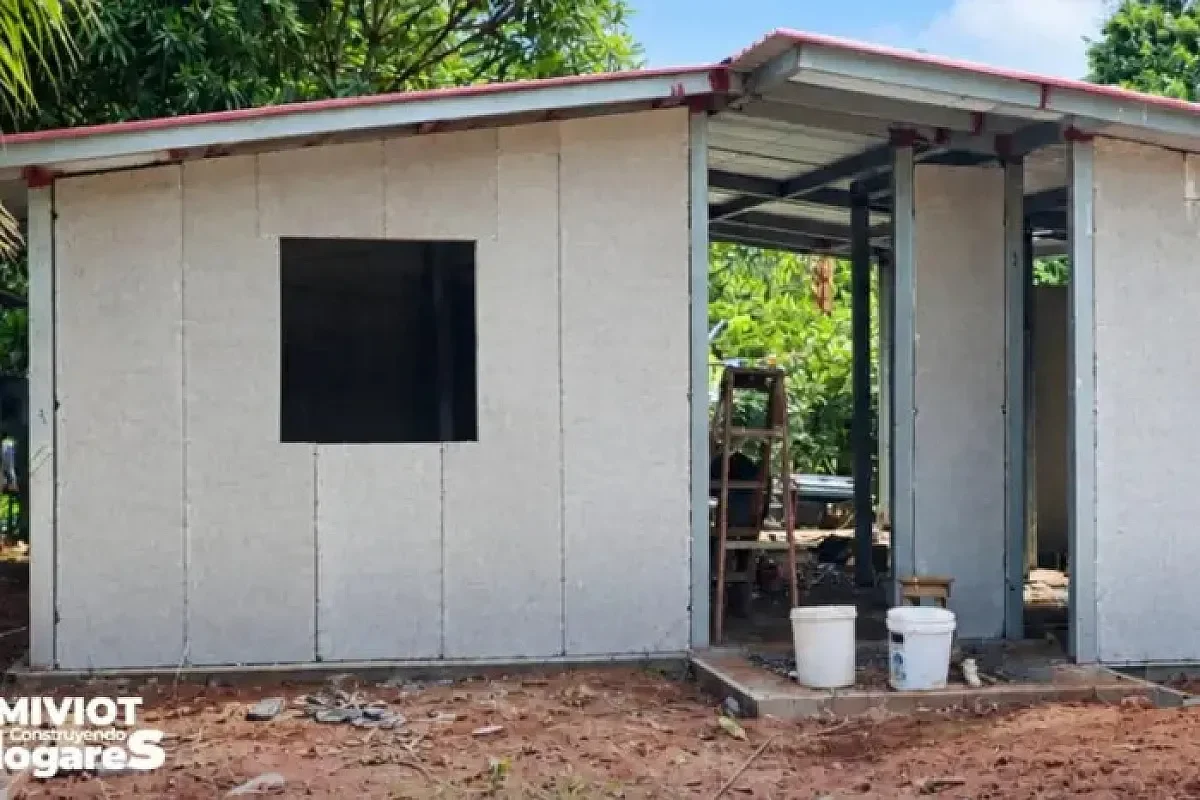
The Panamanian government has released specifications for earthquake relief homes that will house families displaced by the October 9 seismic event, with models ranging from 43 to 46 square meters and featuring reinforced structural elements. Vice Minister of Housing Fernando Méndez confirmed the designs include two bedrooms, seismic beams, and water harvesting systems, marking a shift into the reconstruction phase after initial damage assessments.
The announcement comes as government teams continue reaching remote communities to complete evaluations. More than 90 percent of the data needed to project aid distribution has been collected, according to Méndez, though some areas remain inaccessible.
¡La reconstrucción ya está en marcha! Bajo las directrices del Gobierno Nacional y del presidente @JoseRaulMulino, avanzamos con la reconstrucción de las viviendas afectadas por el sismo a través de tres programas habitacionales: 👇🏻 https://t.co/Xyj9jPNjcx
— Panama Hoy (@PanamaHoy_) October 23, 2026
Earthquake Relief Homes Design and Structural Safety
The standardized blueprints incorporate zapatas, seismic beams, columns, and tie beams, all aligned with the Panamanian Structural Regulation. Méndez said the plans were previously approved and backed by professionals to ensure structural resistance. The 46-square-meter units will accommodate people with disabilities and include specific adaptations for their needs.
Each home will have two bedrooms, a kitchen, bathroom, laundry area, and a biodigester. Water harvesting systems and reserve tanks are also part of the design, addressing storage needs in affected zones. The government will provide a basic housing solution financed without mortgages, allowing families to expand later based on technical recommendations and their own resources.
Reconstruction Permits and Site Evaluations
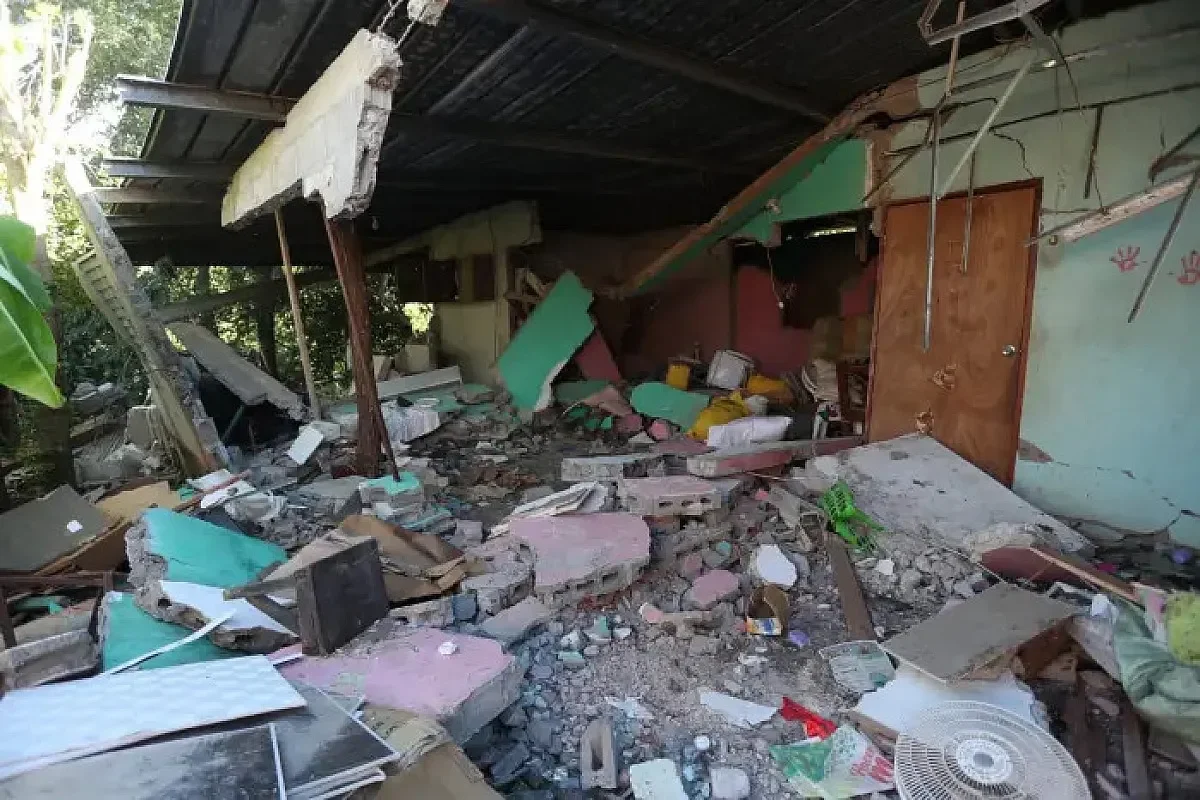
The emergency decree allows expedited procedures for rebuilding on original plots through a sworn declaration, provided site conditions are safe. Where terrain is unsuitable, officials must evaluate alternative locations. Contracts also cover demolition of damaged structures and debris removal to prepare usable land.
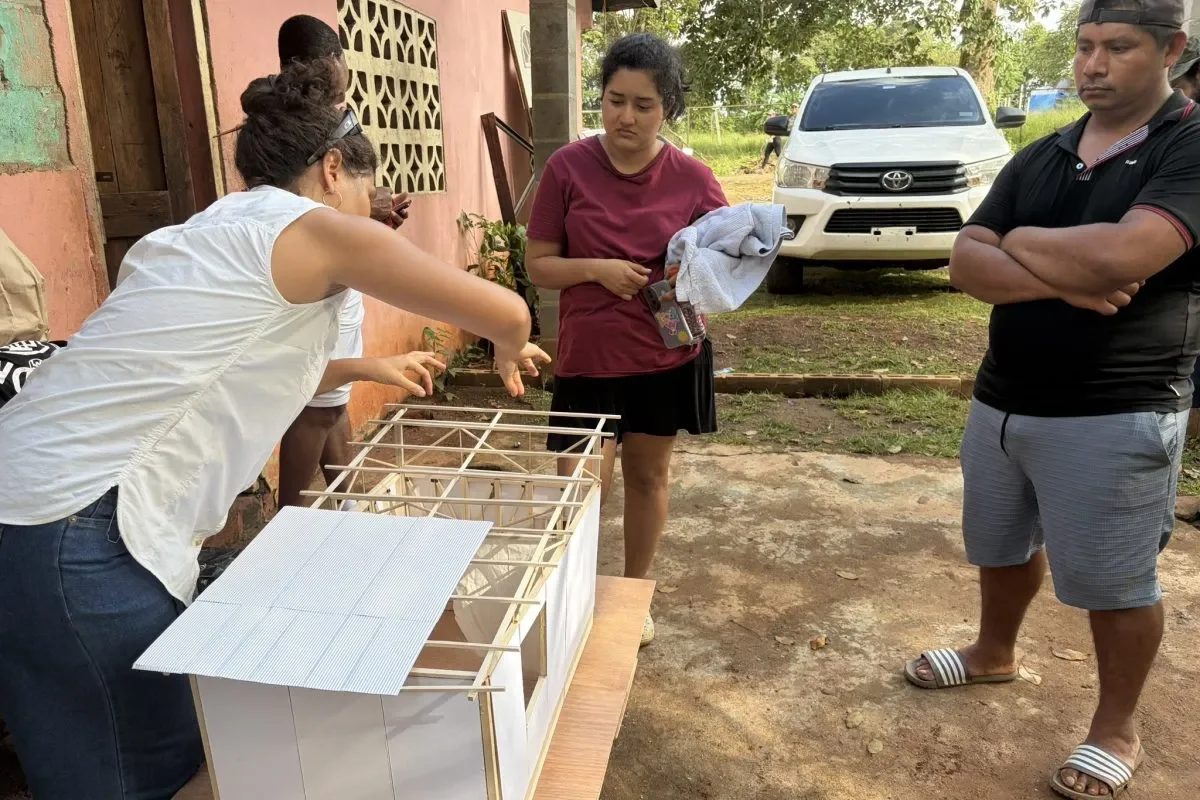
Méndez noted that some affected residents have expressed interest in receiving construction materials rather than a completed home. That option will be reviewed in a later phase. A manual of good construction practices will be distributed to guide families through any future expansions or self-built additions.
Digital Registry and Local Economic Revival
The Ministry of Housing has launched an online platform where affected people can register their cases and track application status. The system aims to centralize requests while supporting economic reactivation through the hiring of local labor for reconstruction work.
Méndez explained that the process has moved into its second phase, which covers reconstruction and contractor assignment. Earlier stages involved inspections, information gathering, and census completion for displaced families. The standardized plans will streamline contractor work across multiple sites while maintaining consistent safety standards.