


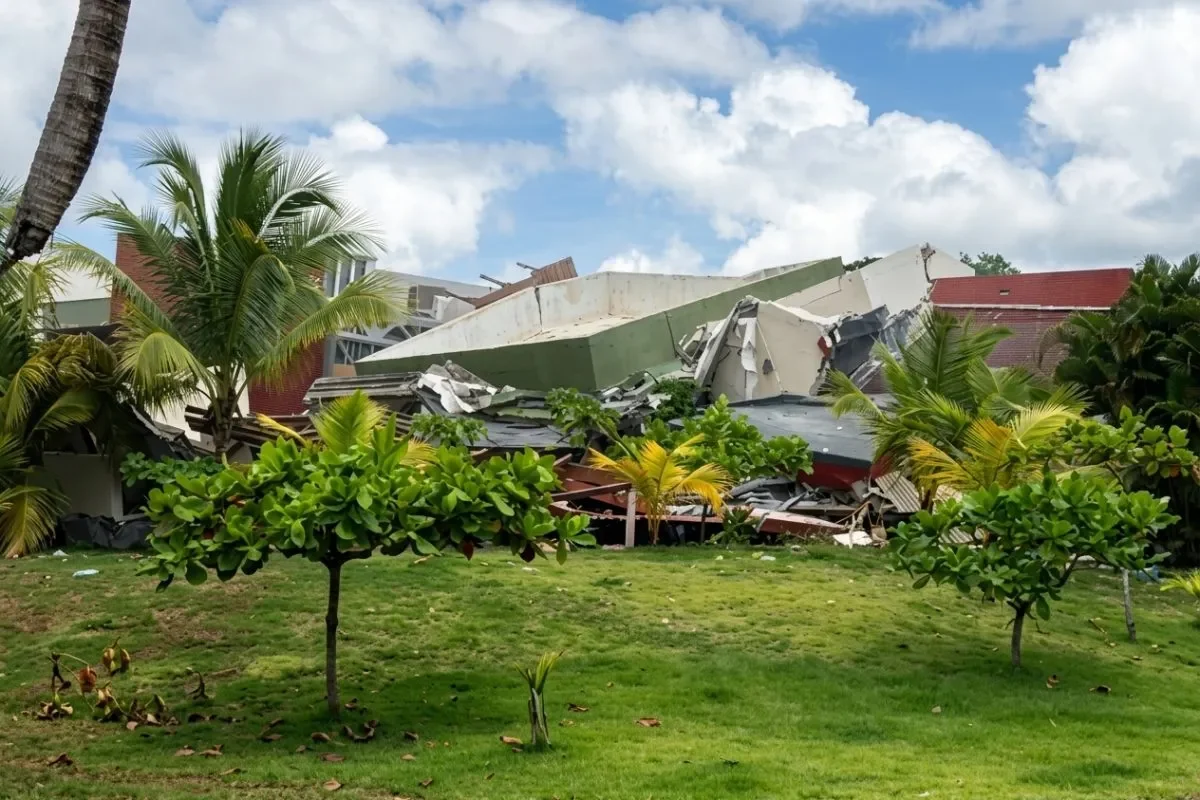
The October 9 earthquake has delivered a severe blow to Panama tourism impact across four provinces, with tourism chambers now racing to document losses and restart local economies. Representatives from Pedasí, Mariato, Santa Catalina, and Coclé met in Santiago to evaluate the damage and coordinate a unified recovery strategy, officials confirmed this week.
The gathering focused on more than just broken buildings. Business owners reported collapsing visitor numbers, stalled commercial operations, and communities where workers live now facing housing instability. Rodrigo Báez, president of the Veraguas Tourism Chamber, said teams are compiling inventories of affected companies, covering both physical damage and operational struggles tied to the drop in tourists.
“The earthquake’s impact has been very strong in our areas and the economy has definitely been affected, since tourist flows and employment are not being generated” [Translated from Spanish]
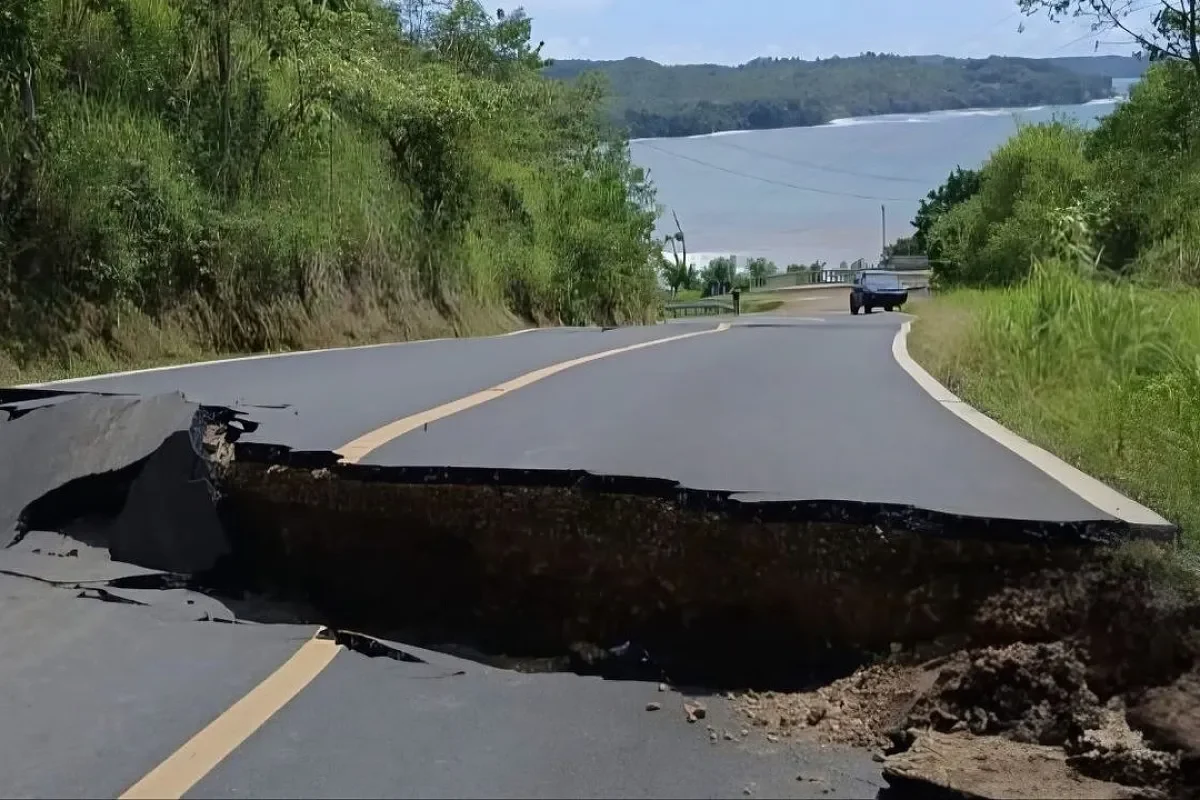
Small Businesses Bear the Brunt of Tourism Disruption
Báez disclosed that roughly 95 percent of the affected businesses identified so far are micro and small enterprises. This concentration of damage among smaller operators has pushed chamber leaders to call for coordinated government support targeting the central provinces. Mariato already has a preliminary inventory in place, while Santa Catalina is advancing its own data collection to document losses and back up formal requests for assistance.
The vulnerability of small operators means recovery timelines could stretch well beyond infrastructure repairs. Many of these businesses lack cash reserves to survive extended periods without visitors, making the speed of government intervention a critical factor in whether they reopen at all.
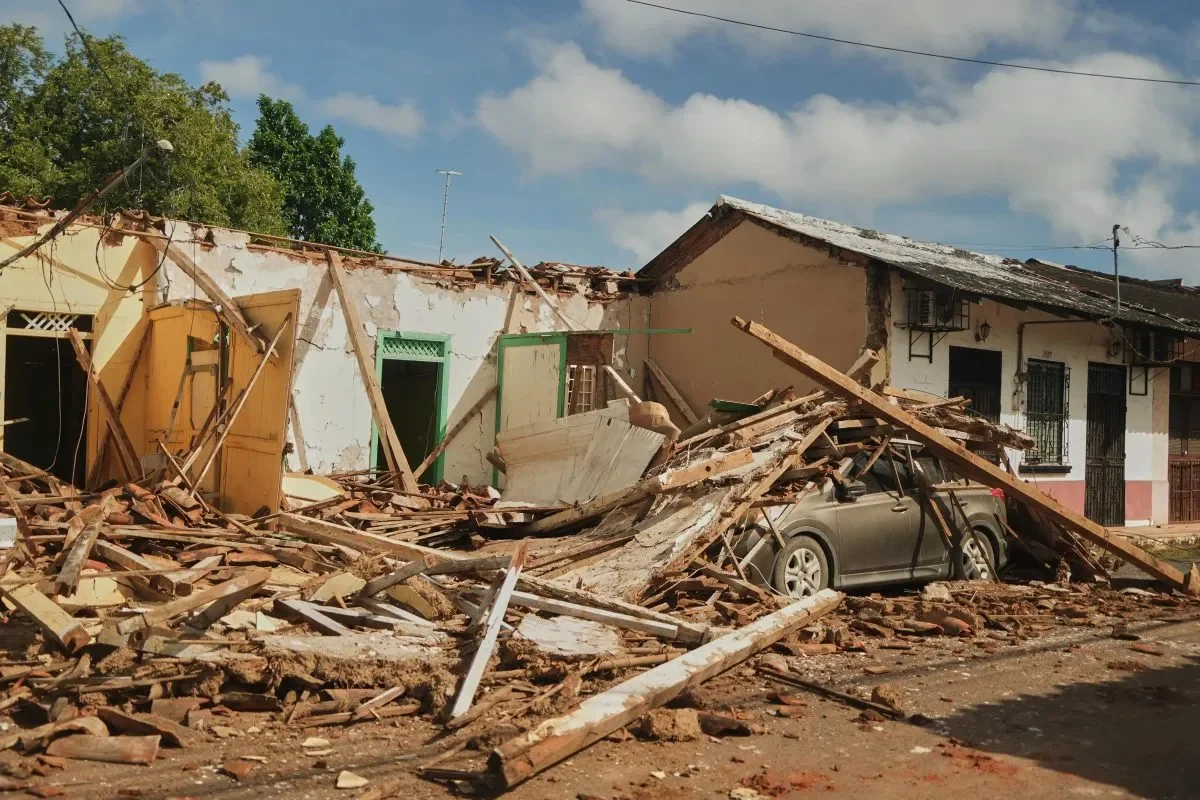
Santa Catalina Begins Cautious Reopening
Despite the setbacks, Santa Catalina shows early signs of revival. Restaurants, bars, and hotels have started resuming services, and some tour operators are again offering trips to Coiba Island. Juan Gordón, vice president of the Santa Catalina Tourism Chamber, said the sector is conducting a census to measure the full scope of damage, with support from students at Universidad Católica Santa María La Antigua.
That census extends beyond commercial properties. It includes damaged homes and the situation of tourism workers, many of whom live in nearby communities and have been forced into temporary shelters. Gordón noted that alongside business reopenings, economic support initiatives are being organized to help families repair their houses and return home.
The reopening of establishments, he added, helps reactivate the local economy and creates opportunities for people who depend on tourism for their livelihoods.
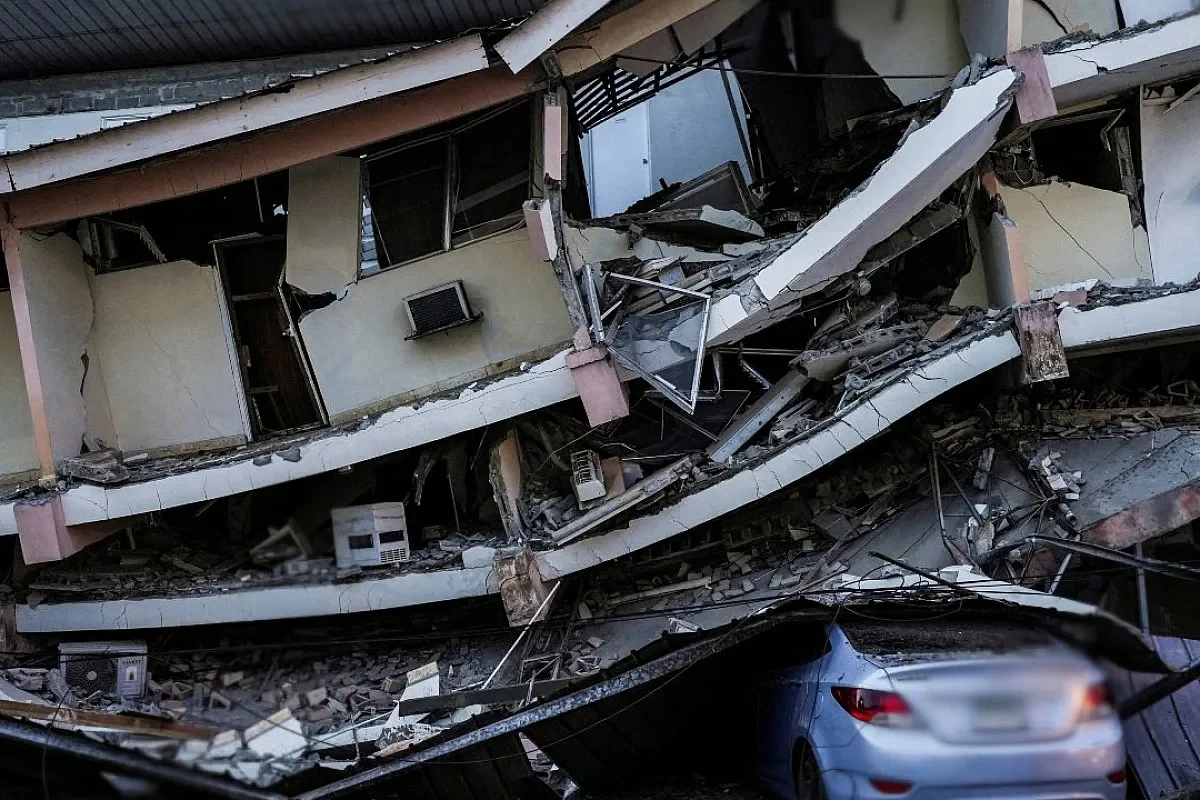
Coclé Faces Structural Damage and Partial Closures
In Coclé province, initial assessments identified around 20 lodging establishments with some level of damage, though several have already resolved issues and resumed operations. Abraham Girón, president of the Coclé Tourism Chamber, warned that some hotels in Penonomé have severe structural damage and may require demolition and rebuilding.
Beach hotels in Río Hato and establishments in Valle de Antón are largely operational, Girón said. But certain tourist attractions remain closed until further notice. He maintained that the province has made progress and can still receive visitors interested in beach tourism, mountain excursions, and agrotourism, provided travelers verify availability and conditions at each location beforehand.
“We can say the environment is favorable for anyone who wants to enjoy agrotourism, beach tourism, or mountain tourism. Right now there is movement to receive any visitor” [Translated from Spanish]
The tourism chambers agreed that maintaining damage inventories and securing support for affected businesses and families remain top priorities. For a region heavily dependent on visitor spending, the speed of recovery will determine whether the earthquake leaves a temporary scar or triggers a longer economic decline across Panama’s central provinces.