


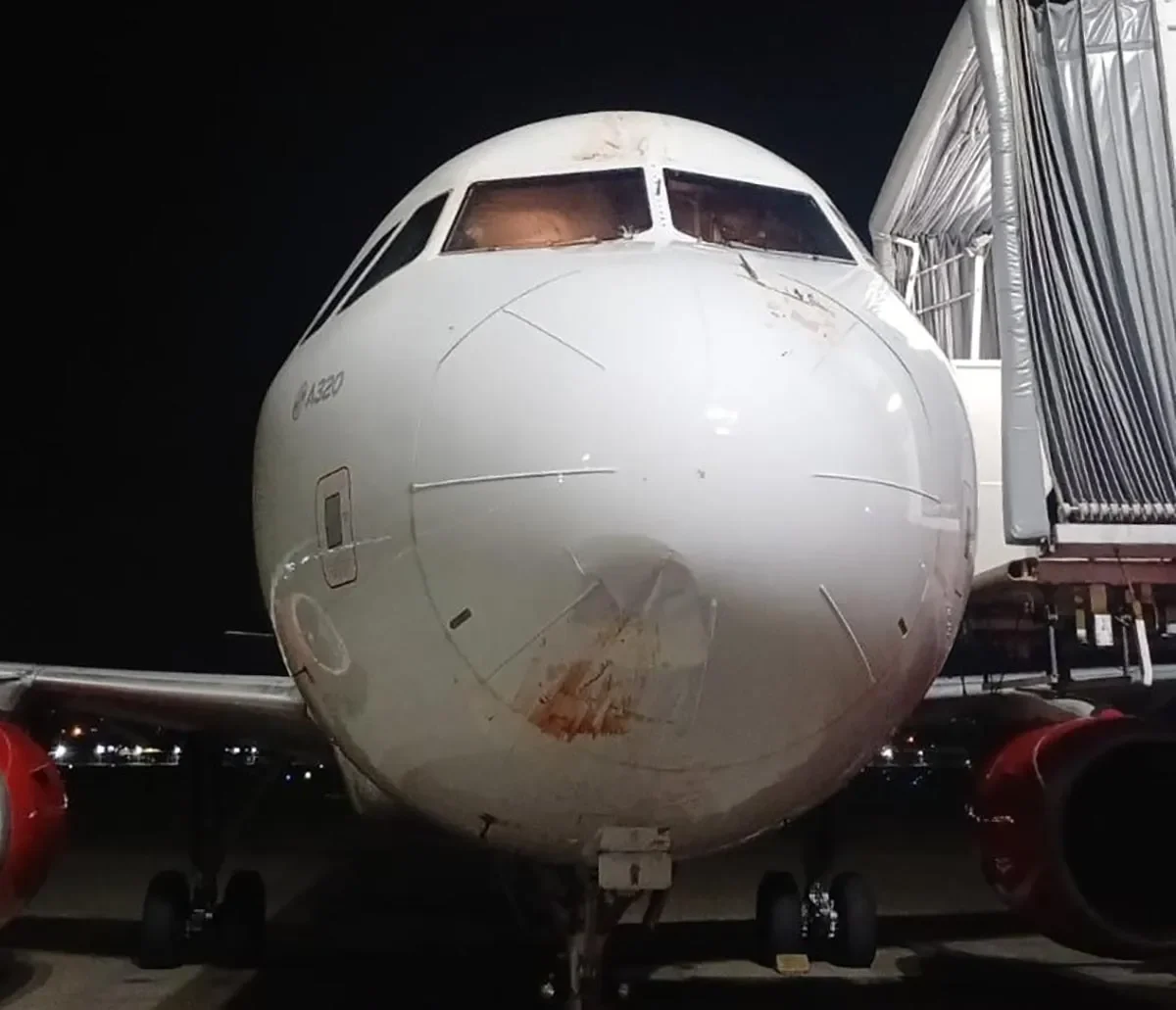
An Avianca bird strike forced flight AVA 061 to return to Tocumen International Airport in Panama City on Wednesday afternoon, October 28, shortly after departure for Bogotá, Colombia. The aircraft, carrying 60 passengers, landed safely at 5:00 p.m. with no reported injuries, according to the Civil Aeronautics Authority (AAC).
The pilot detected the impact with wildlife immediately after takeoff and elected to turn back as a precautionary measure. Emergency protocols for fauna presence in the operations zone were activated, and the landing maneuver was executed without additional complications, officials confirmed.
#Nacionales La Autoridad Aeronáutica Civil (AAC) informó que, aproximadamente a las 5:00 p.m. de este miércoles, una aeronave de la aerolínea Avianca, correspondiente al vuelo AVA 061 con 60 pasajeros a bordo y destino a Bogotá, reportó un impacto con un ave tras despegar del Aeropuerto Internacional de Tocumen. Ante esta situación, el piloto tomó la decisión de retornar al aeropuerto como medida preventiva, realizando el aterrizaje sin inconvenientes. De inmediato se activaron los protocolos de seguridad establecidos para este tipo de situaciones. La AAC reiteró su compromiso con la seguridad operacional y la protección de los pasajeros.
— Radio Chiriquí (@RadioChiriqui) October 29, 2026
Avianca Bird Strike Details and Safety Response
The AAC stated that the return to Tocumen complied with current operational safety regulations. No passengers or crew members required medical attention following the emergency landing. Authorities have not yet disclosed the extent of structural or engine damage to the aircraft, nor have they outlined how affected travelers would be reaccommodated on alternate flights to Colombia.
The incident highlights ongoing concerns about wildlife management at Panama’s primary international gateway. Tocumen handles millions of passengers annually and serves as a hub for connections across the Americas, making runway safety a critical operational priority.
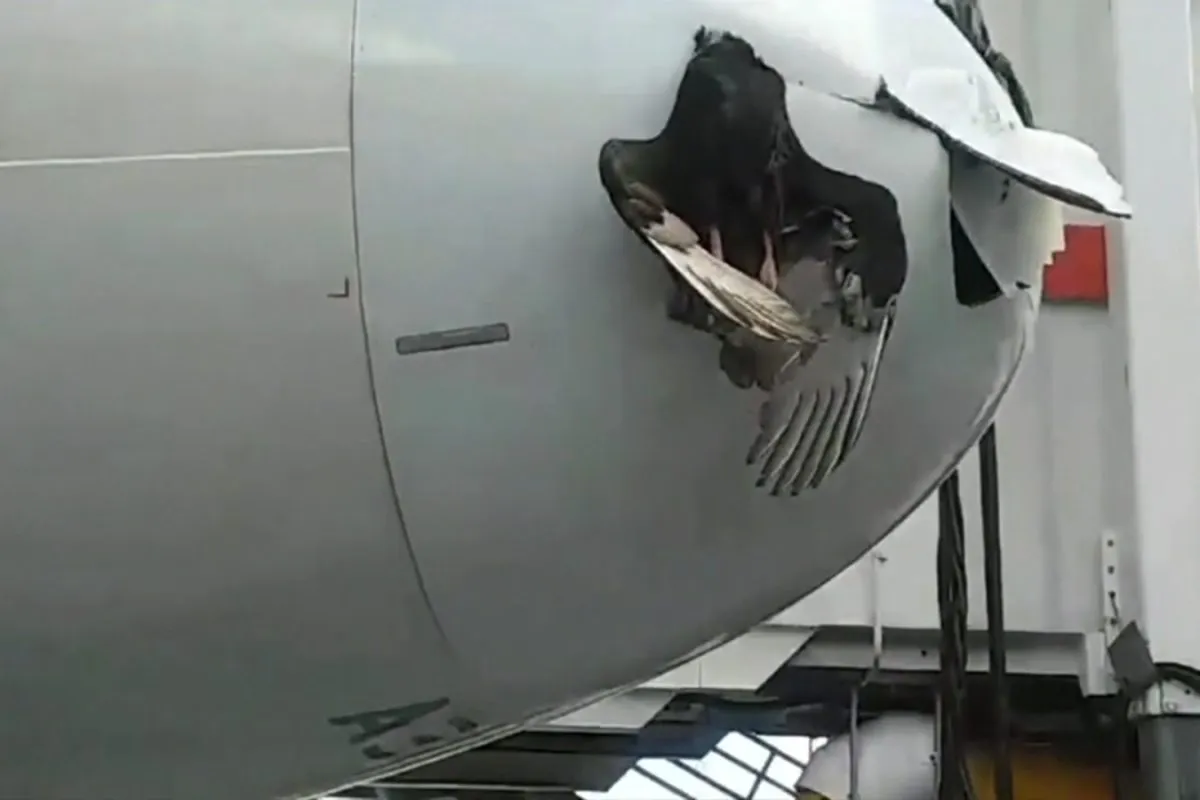
Pilot Union Warnings Precede the Avianca Bird Strike
The emergency landing comes just weeks after the Panamanian Union of Commercial Aviators (Unpac) publicly urged Tocumen’s administration to address avian risk. The union warned that accumulated garbage, overgrown vegetation, and standing water near runways attract birds, particularly during the current migratory season.
Pilots have requested reinforced equipment for bird dispersal operations around the airfield. Wildlife strikes pose a persistent hazard in aviation, with even small birds capable of causing significant engine damage during critical flight phases like takeoff and initial climb.
Passenger Impact and Ongoing Investigation
Avianca has not issued a detailed statement regarding rebooking arrangements for the 60 passengers affected by the interrupted itinerary. The airline operates multiple daily frequencies between Panama City and Bogotá, which may facilitate reaccommodation on subsequent flights.
The AAC continues to assess the incident while maintaining standard safety protocols. This event underscores the broader regional challenge of managing wildlife near tropical airports, where diverse bird populations and migratory patterns create year-round operational risks for commercial aviation.