


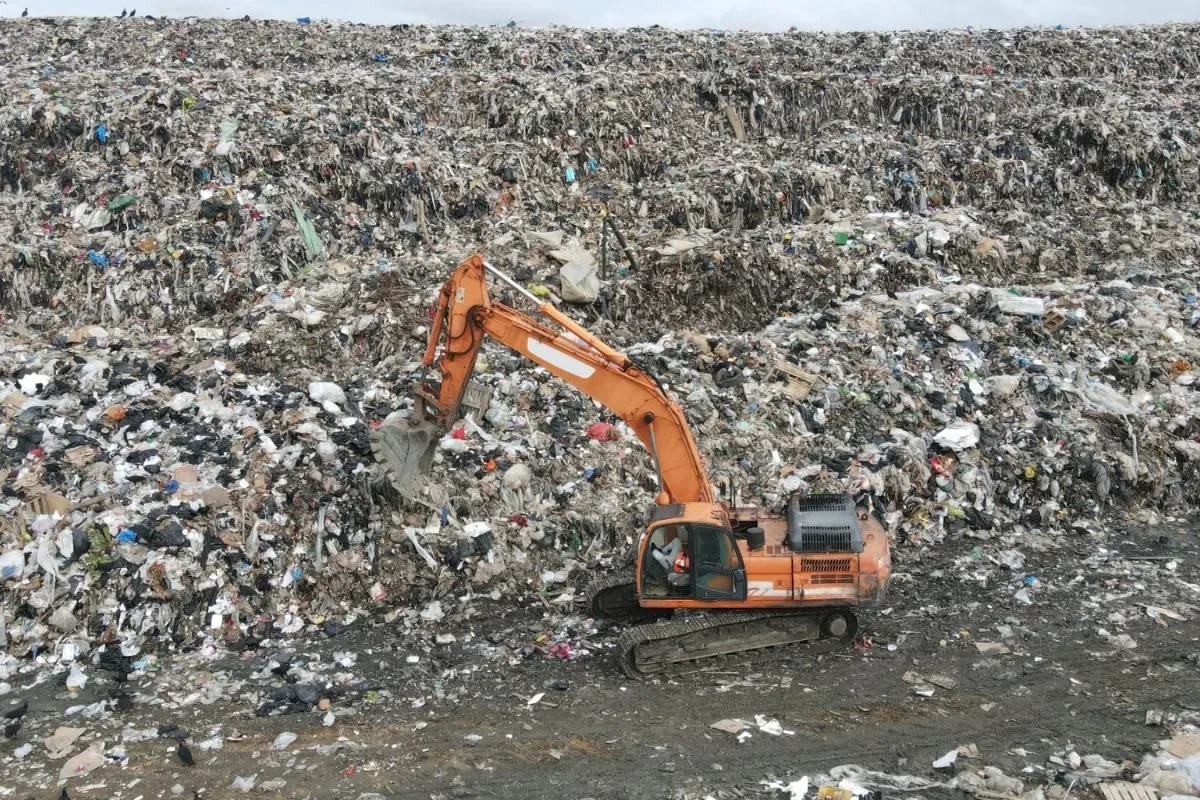
A South Korean consortium has unveiled a $36 million proposal to convert methane gas from Panama’s largest landfill into electricity, a project that could power approximately 11,000 homes annually. The Cerro Patacón investment plan, presented during a Korean Embassy environmental seminar, aims to capture biogas from decomposing waste at the 40-year-old site and transform it into a renewable energy source.
The SLC consortium estimates the project would generate around 600 gigawatt-hours of electricity over its operational period, with an additional $14 million required for operations. If bilateral agreements and permits are secured, construction could begin in 2028 with the plant entering service by 2029.
Cerro Patacón Investment Targets Environmental Crisis
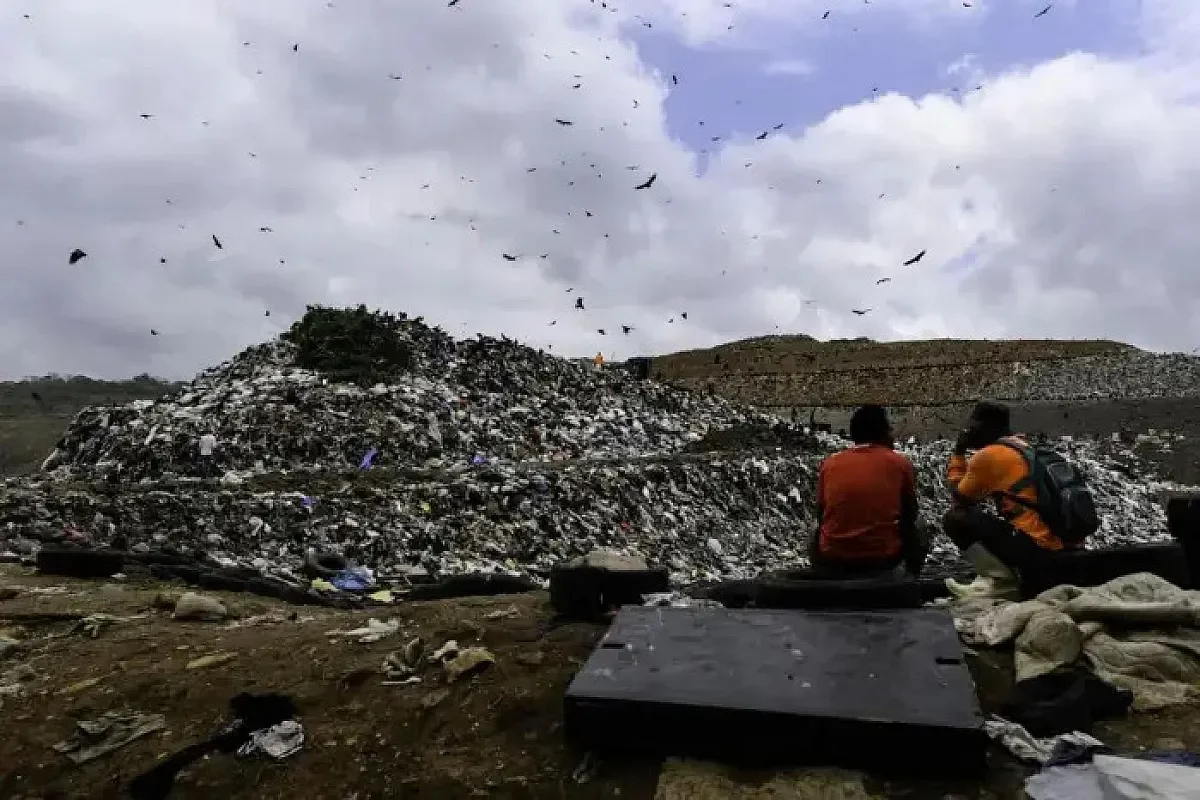
Cerro Patacón has operated since 1985 and currently receives more than 3,000 tons of waste daily from Panama City and surrounding areas. Despite manual recovery efforts for materials like plastic bottles and cans, over 95% of incoming waste ends up deposited at the site. Officials warned the landfill’s current capacity could be exhausted within five to seven years.
The proposal includes installing a cover over the waste disposal area to facilitate gas capture while reducing water infiltration. Consortium projections indicate this intervention could decrease leachate generation, the toxic liquid that forms when water passes through waste, by more than 70%. The system would also mitigate fire risks and persistent odor problems that have plagued surrounding communities.
The 2024 landfill fire, which sent smoke across sectors of the capital, was cited during the presentation as evidence of the urgent need for intervention. That incident exposed thousands of residents to hazardous air quality and highlighted the site’s deteriorating conditions.
Muy interesante informe sobre la propuesta de Corea del Sur para mejoría ambiental y transición hacía energías limpias en el relleno sanitario de Cerro Patacón. @AAUD_Panama @MiAmbientePma https://t.co/JQDhUVkZw5
— Guido A. Rodriguez L. Nieto e hijo de inmigrantes. (@Guidoale1961) October 22, 2026
Technical Cooperation Between Panama and South Korea
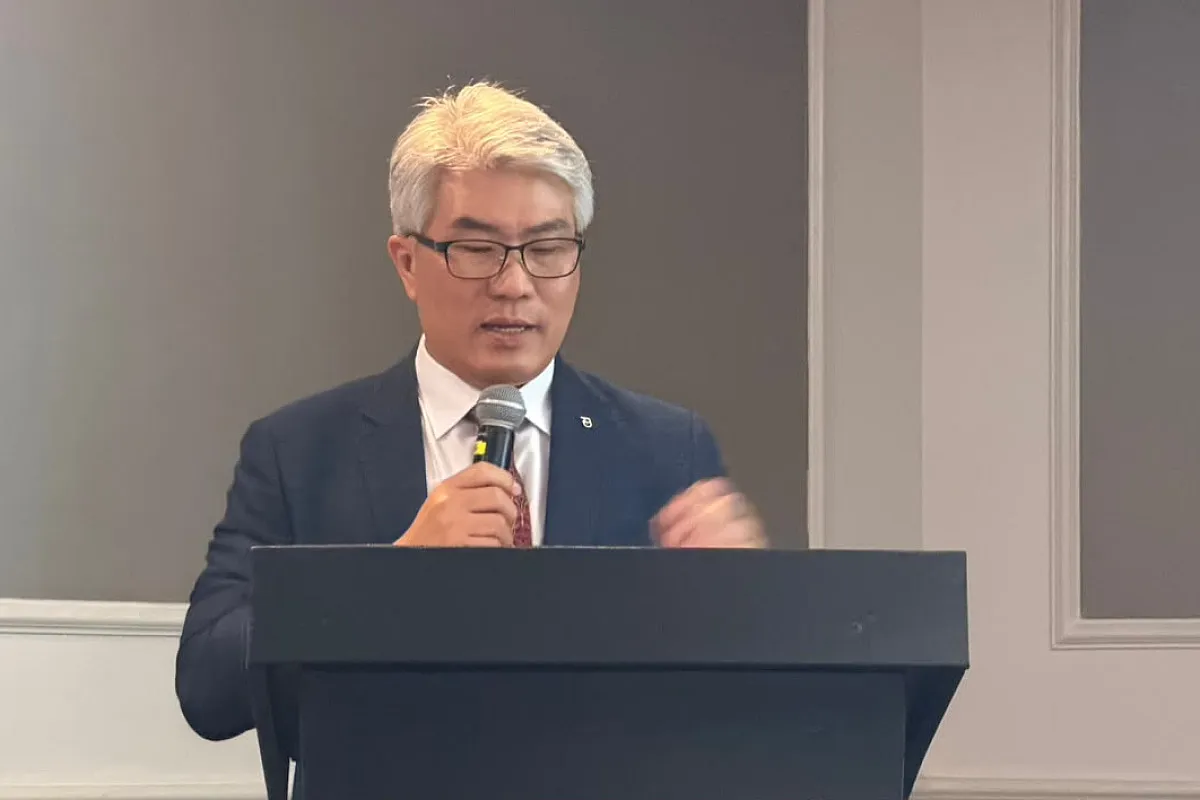
The Korean consortium has already completed preliminary studies examining waste management practices from collection and transport through final disposal at Cerro Patacón. The project forms part of broader environmental cooperation between both nations, with En Partners CEO Kim Kyung participating in the technical evaluations alongside assessments of a private landfill in La Chorrera.
The proposed timeline calls for completing bilateral agreements and establishing a joint coordination committee during 2027. Permitting processes would advance concurrently, setting the stage for construction the following year.
Seminar presenters cautioned that incorporating advanced technology requires operational capacity. They noted incineration plants cost approximately twenty times more than sanitary landfills and demand more complex management, with residual ash still requiring final disposal. The biogas capture approach avoids these complications by working with existing waste deposits rather than requiring new combustion infrastructure.
Waste Reduction Strategy and Immediate Priorities
While biogas capture addresses accumulated waste, presenters emphasized that reducing incoming material remains essential. Strengthening classification systems, promoting reuse, expanding recycling programs, and implementing waste recovery processes before final disposal were identified as critical components of a comprehensive solution.
Panama faces immediate challenges regardless of the project’s progress. Improving landfill safety and decreasing daily waste volume require action before the proposed 2029 operational date. The biogas initiative represents one element of a broader strategy to transform Cerro Patacón from an environmental liability into a productive energy asset.
The proposal’s advancement depends on concrete agreements, regulatory authorizations, and execution conditions being finalized over the next two years. For now, the landfill continues receiving thousands of tons of waste daily while officials weigh a plan that could turn its most problematic byproduct into a public utility.