


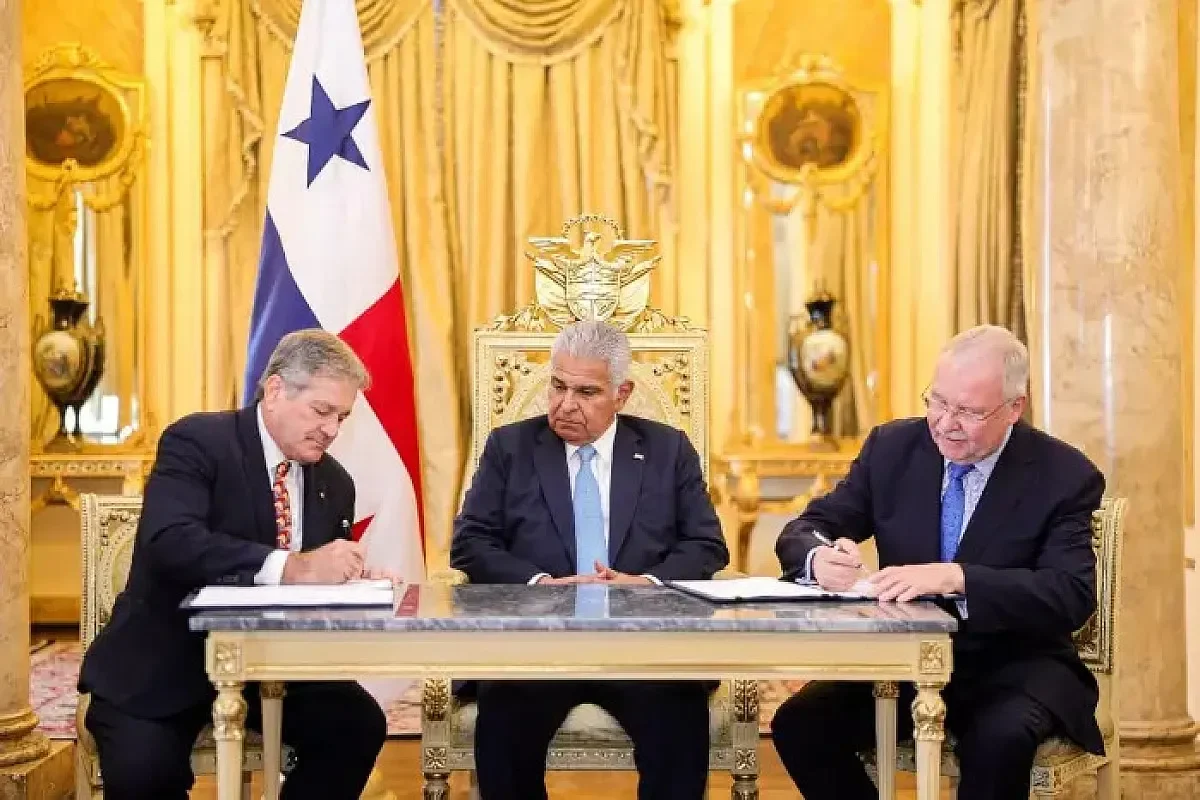
Panama formalized its entry into the global plastic pollution alliance on Thursday, October 22, signing a memorandum of understanding with the World Economic Forum during a strategic country meeting at the Palacio de Las Garzas in Panama City. President José Raúl Mulino attended as honorary witness while Environment Minister Juan Carlos Navarro and World Economic Forum President Alois Zwinggi signed the agreement.
The accord brings Panama into the Global Plastic Action Partnership (GPAP), a multisector initiative operating through 25 national alliances across Africa, Asia, and Latin America. The partnership focuses on reducing plastic waste through coordinated action between governments, businesses, and civil society organizations.
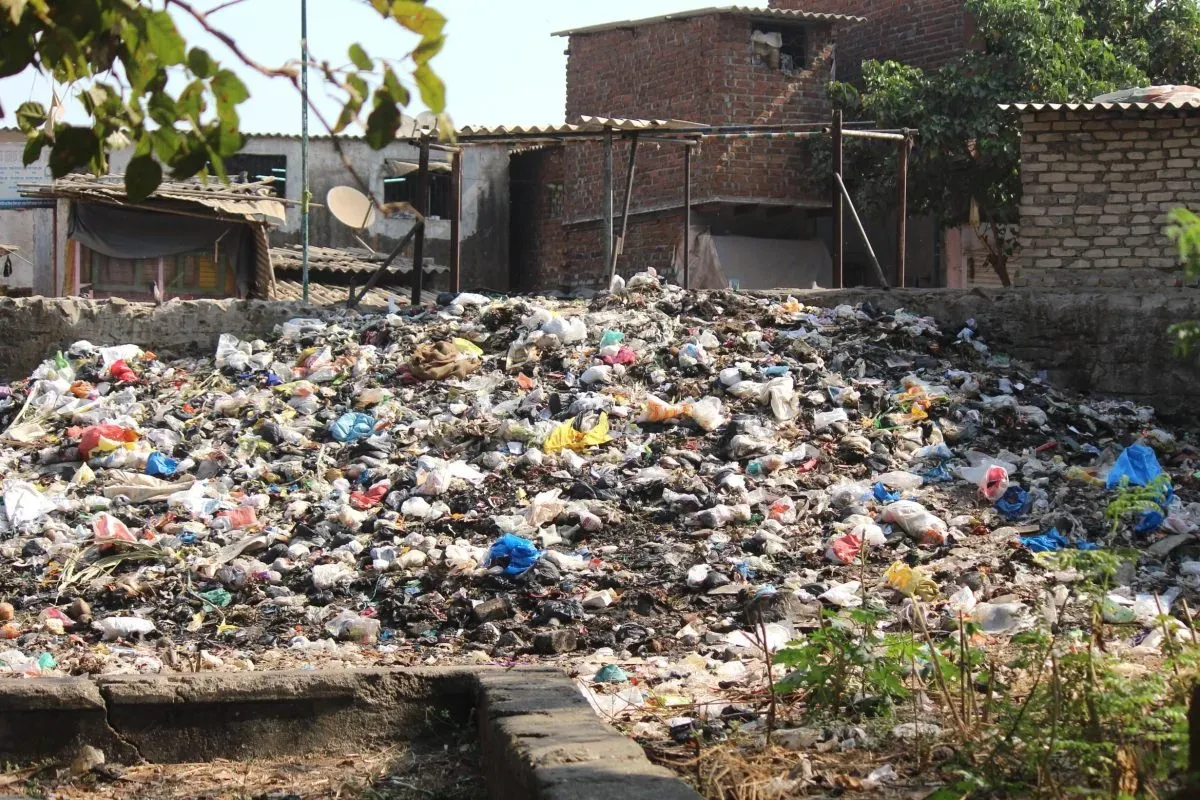
Strategic Goals of the Plastic Pollution Alliance Membership
The memorandum establishes an institutional cooperation framework designed to strengthen and ensure continuity of Panama’s National Platform for Action on Plastics. Documents from the signing ceremony indicate the agreement also promotes a National Roadmap for Action on Plastics while advancing circular economy solutions.
Key objectives include mitigating plastic contamination through multi-stakeholder coordination, knowledge exchange, capacity building, and identification of collaboration opportunities at national, regional, and global levels. The framework positions Panama to lead regional efforts on plastic waste reduction, building on the country’s existing environmental leadership in biodiversity and marine conservation.
Leadership Statements and Regional Ambitions
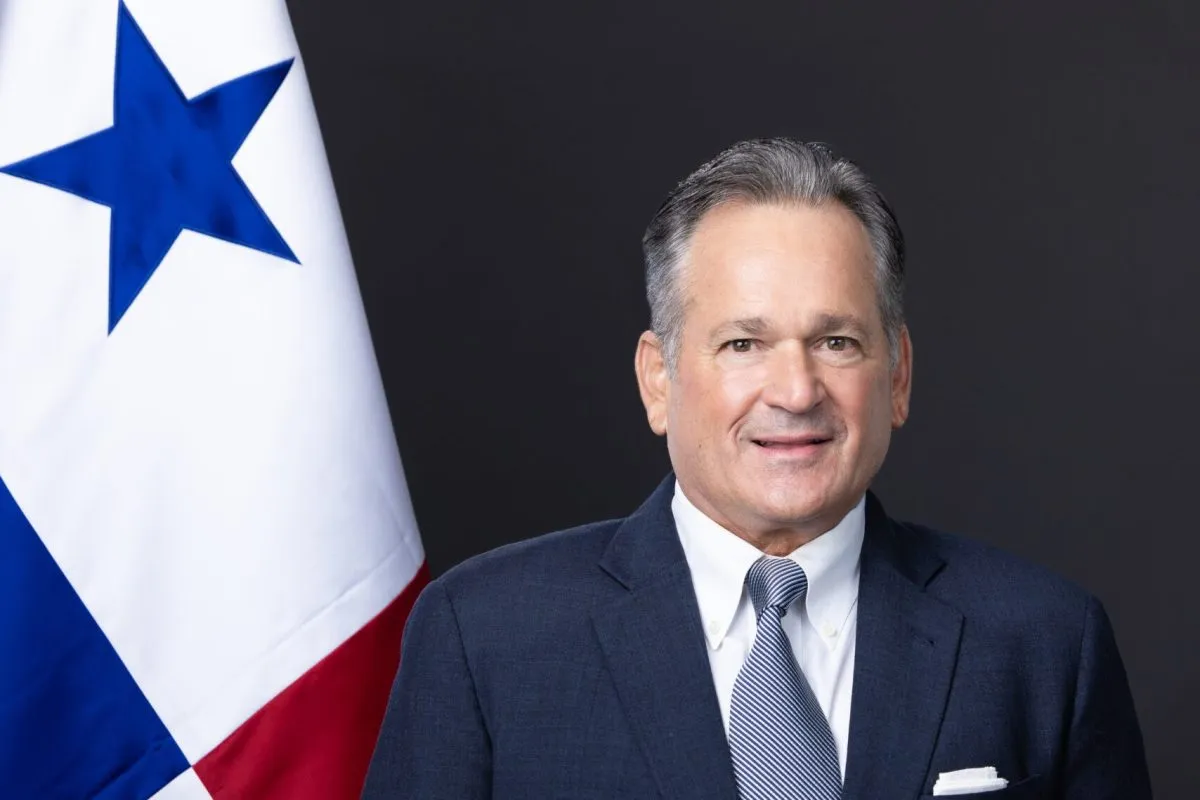
Minister Navarro emphasized the economic dimension of environmental protection during the ceremony.
“Without nature there is no economy, and that is why plastics have to be part of the solution and not the problem. This is a very ambitious goal and a very big challenge” [Translated from Spanish]
Navarro also framed the agreement as a regional leadership opportunity.
“Panama now assumes leadership, not just at the level of our country, internally, with these excellent examples of public-private collaboration, but also at the regional level, as we have done in many other environmental issues, in biodiversity, in conservation of marine resources, and now we will also do it with plastics” [Translated from Spanish]
Implementation Framework and Next Steps
The agreement operates within the context of the World Economic Forum’s broader engagement with Panama, which recently convened 28 multinational companies to discuss investment opportunities in the country. The GPAP membership adds an environmental pillar to this economic relationship, linking private sector participation with sustainability targets.
The National Platform for Action on Plastics will serve as the primary vehicle for implementing the agreement’s provisions. The platform’s continuity and expansion depend on institutional support from both Panamanian authorities and international partners, with the memorandum providing formal mechanisms for ongoing cooperation.
Panama’s accession to the alliance reflects a broader trend among Latin American nations seeking structured approaches to plastic waste management. The country’s strategic position as a logistics and shipping hub amplifies the potential impact of its participation, as port operations and transit trade generate significant plastic-
environmental pressures that the partnership aims to address through coordinated action.