



Panama’s Environment Ministry will station more than 950 personnel across 66 Panama protected areas from October 30 through November 11, a move timed to manage an expected surge in visitors during the country’s patriotic celebrations. The deployment covers national parks, wildlife refuges, forest reserves, and marine-coastal zones nationwide.
Officials said the special coverage plan aims to prevent incidents, guide tourists, and shield ecosystems from illegal activity. Visitor hours run from 7:00 a.m. to 4:00 p.m. for most sites, while marine-coastal areas and locations with heightened safety requirements will close an hour earlier at 3:00 p.m.
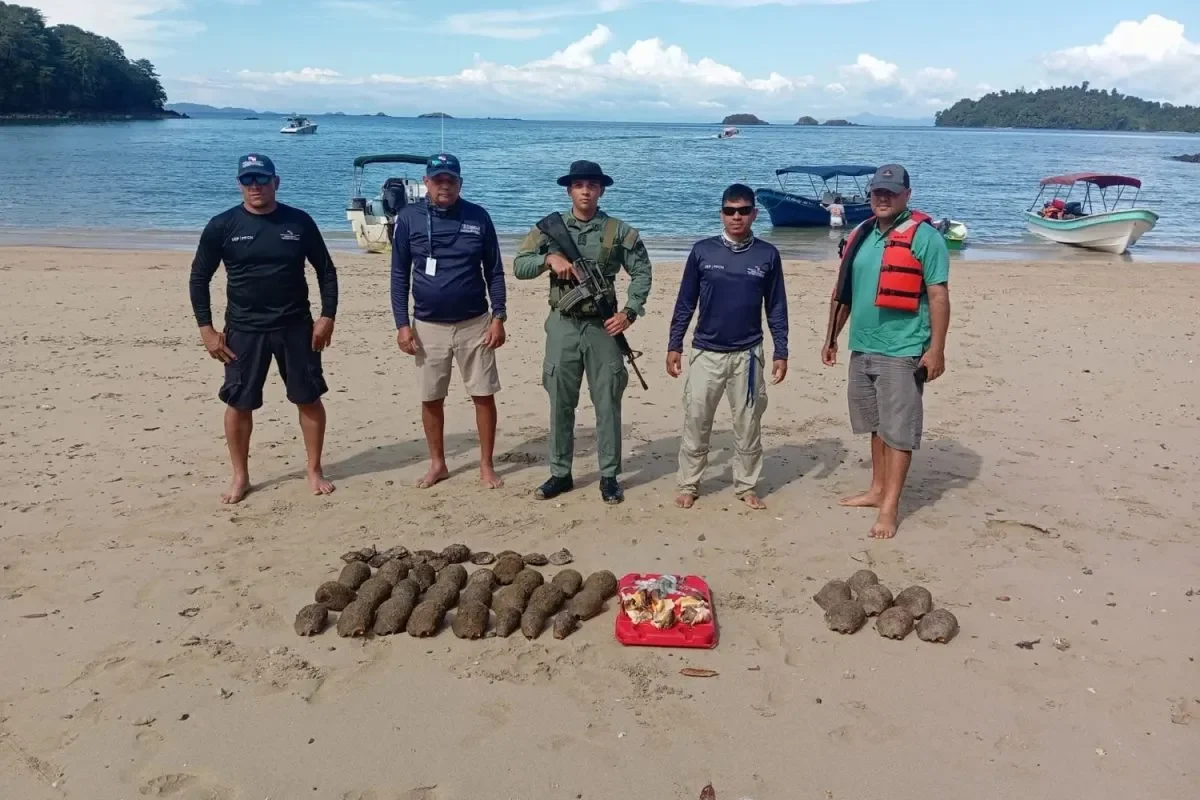
Patrols Target Illegal Extraction Across Panama Protected Areas
The ministry confirmed that ground and water patrols will monitor for illegal resource extraction, fire risks, and other threats to biodiversity. Personnel will also verify admission fee payments and control access to authorized trails. The effort strengthens coordination between regional directorates and security forces to respond quickly to any incident.
High-profile destinations receiving reinforced staffing include Chagres, Soberanía, Camino de Cruces, Coiba, Volcán Barú, Santa Fe, Portobelo, and San Lorenzo national parks. These sites draw the heaviest domestic and international foot traffic during November holidays, when families typically visit natural reserves in large numbers.
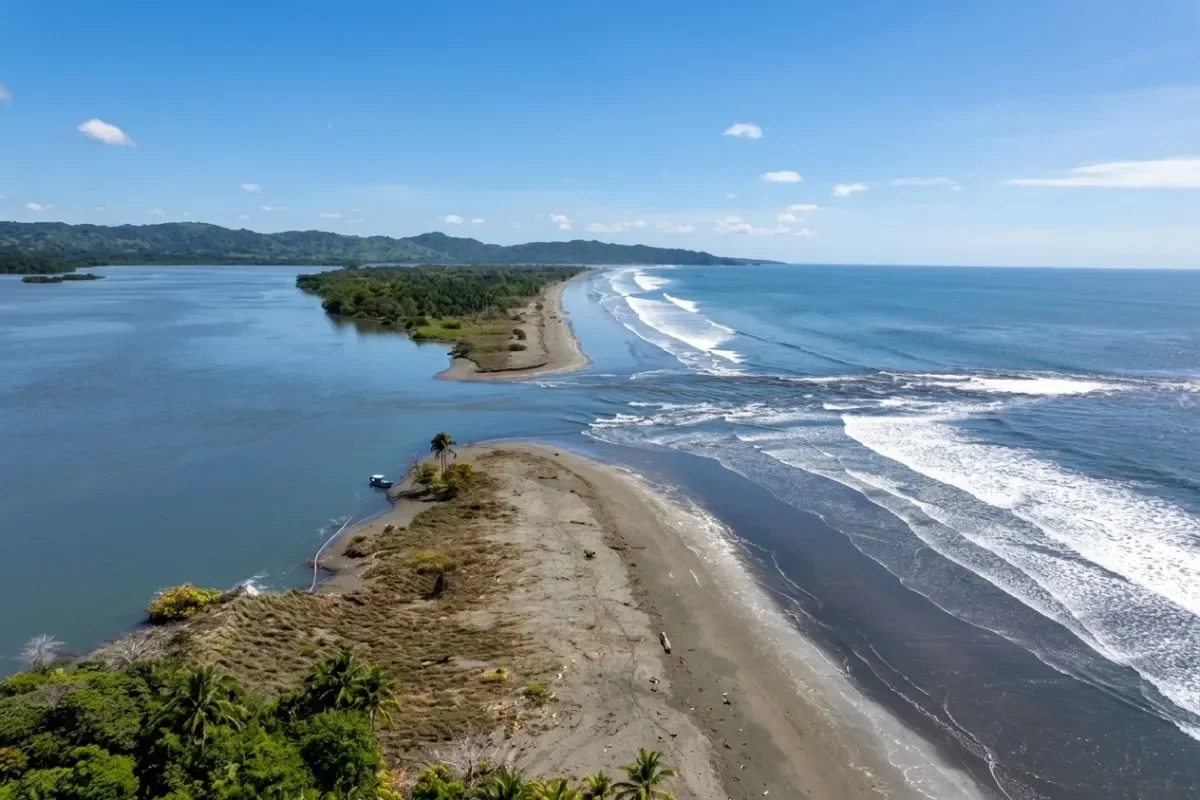
Restricted Access Remains at Two Sensitive Sites
Two locations remain off-limits despite the broader holiday opening. The Isla Cañas Wildlife Refuge in Los Santos province and the Cerro Los Picachos Water Reserve in Coclé province continue under access restrictions. The ministry did not specify when those closures might lift.
The restrictions reflect ongoing conservation concerns at ecologically fragile sites. Isla Cañas serves as a critical sea turtle nesting ground, while Cerro Los Picachos protects vital watershed resources for surrounding communities.
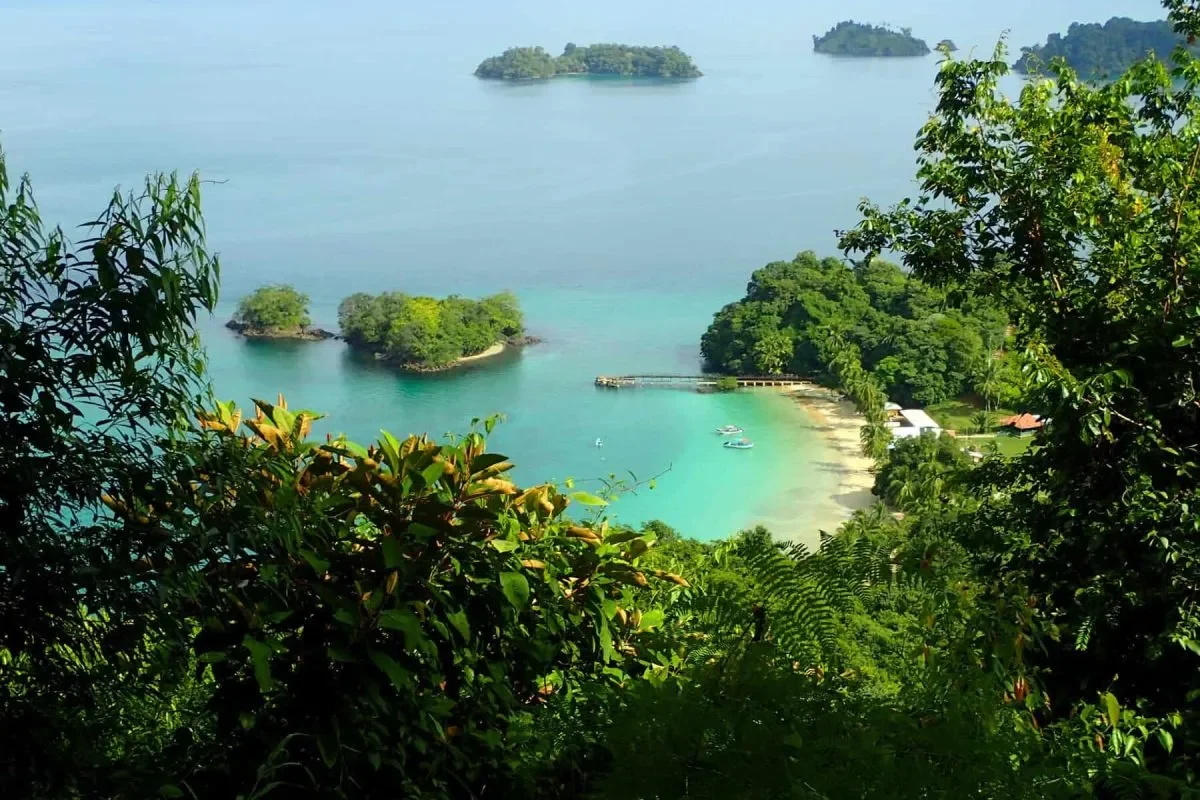
Visitor Management and Ecosystem Protection Strategy
The ministry’s plan combines visitor services with enforcement. Staff will orient tourists, supervise compliance with public use rules, and prevent activities that could degrade biodiversity. The approach balances recreational access with long-term conservation goals across Panama’s protected area network.
Patriotic holidays in November traditionally rank among the busiest periods for Panama’s parks and reserves. The coordinated deployment represents one of the largest single holiday staffing efforts by the Environment Ministry in recent years, officials indicated.