


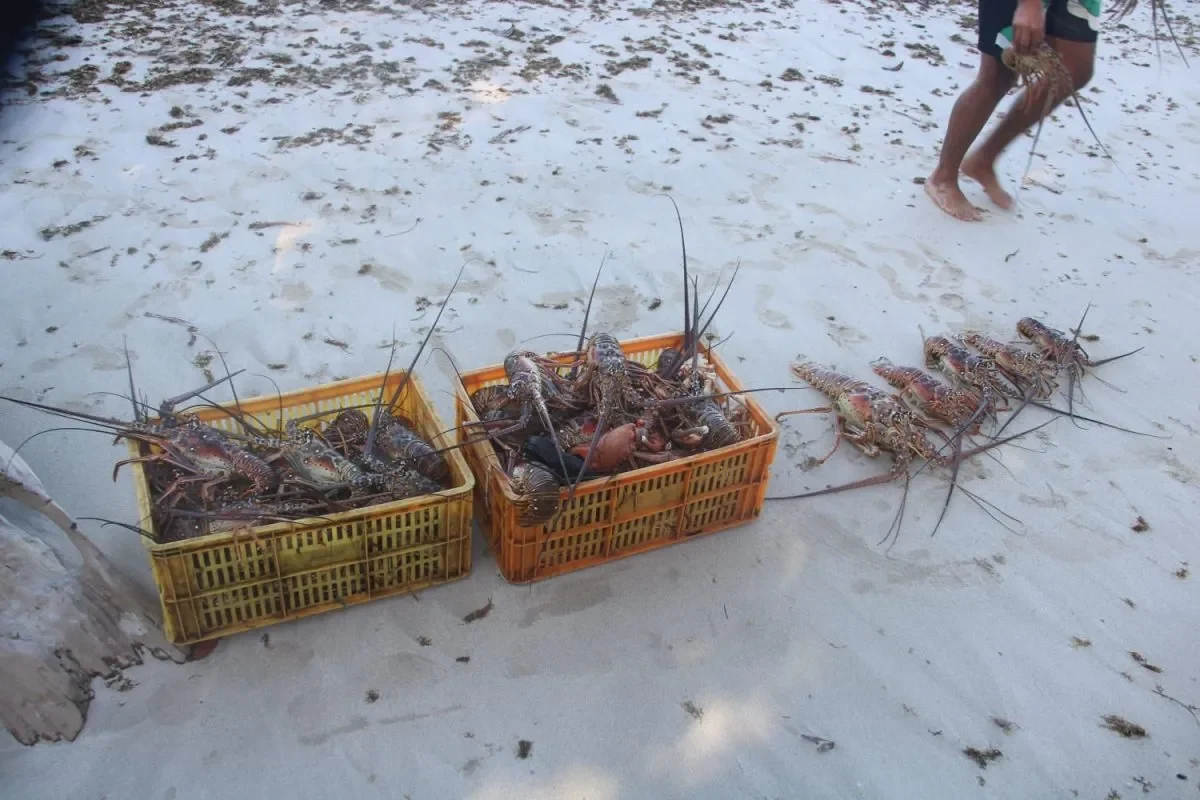
Panama’s Environment Ministry has extended the Isla Escudo closure through December 31, 2026, citing coral bleaching evidence and insufficient scientific data on Caribbean spiny lobster populations. The decision, published October 15 in the Official Digital Gazette, maintains conservation restrictions while carving out a narrow 30-day exception for artisanal fishing communities.
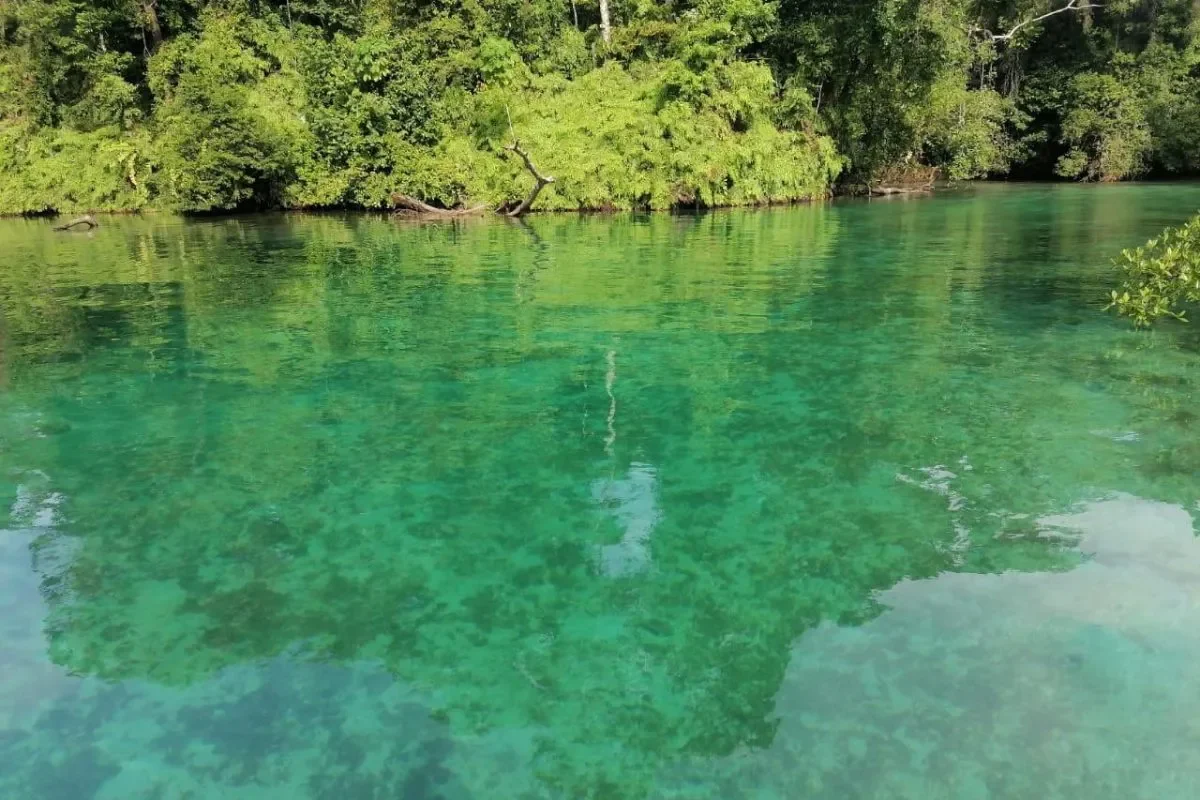
The resolution affects the Paisaje Protegido Isla Escudo de Veraguas-Degó in Bocas del Toro province. Officials said the extension responds to visible coral bleaching documented during a September monitoring expedition and regional thermal stress indicators from NOAA Coral Reef Watch.
Scientific Basis Behind the Isla Escudo Closure Extension
A technical report from the National Directorate of Coasts and Seas recorded bleaching in several coral colonies during fieldwork conducted September 14-19. The ministry also reviewed NOAA data from October 12 showing elevated thermal risk for Caribbean reefs, though officials cautioned these indicators alone do not constitute a full diagnosis of the protected area.
The ministry emphasized that missing population data on spiny lobster does not mean the resource can sustain extraction. Without reliable estimates of abundance, size distribution, or recovery capacity, authorities applied precautionary principles to maintain the closure. This marks the second consecutive extension of restrictions originally designed to protect the island’s marine ecosystem.
Who Qualifies for the Temporary Lobster Harvest Exception
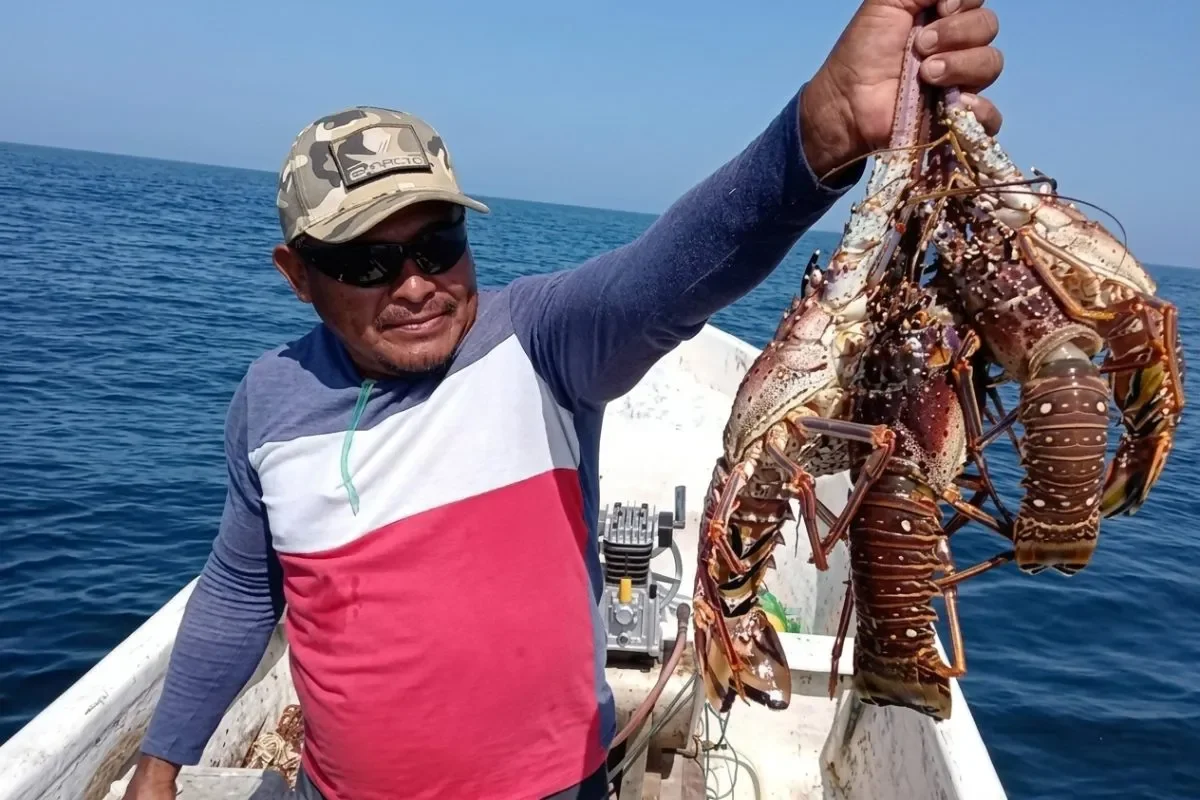
The exception runs from October 15 to November 15, 2026, and applies only to artisanal fishers from communities traditionally linked to the protected area. A maximum of 120 fishers and 40 small-scale vessels may participate, with up to three beneficiaries per boat.
Eligibility requires Panamanian citizenship, residence in designated communities, a valid ARAP fishing license, and completion of official registration. Individual authorizations and vessel permits are personal and non-transferable. If applications exceed available slots, selection prioritizes lists from Ngäbe-Buglé comarca authorities, then falls back to registration order.
Harvest Limits and Conservation Safeguards
Each fisher may take up to 12 lobsters daily, with no accumulation of unused quotas from previous days. Only specimens with tail length of 140 millimeters or greater may be harvested. Pregnant females, egg-bearing lobsters, and molting individuals remain fully protected.
Fishing is permitted only between 7:00 a.m. and 4:00 p.m., with overnight stays and camping on the island prohibited. Approved methods include free diving, hand collection, and loop capture. Tanks, compressors, traps, nets, chlorine, and chemical substances are banned outright.
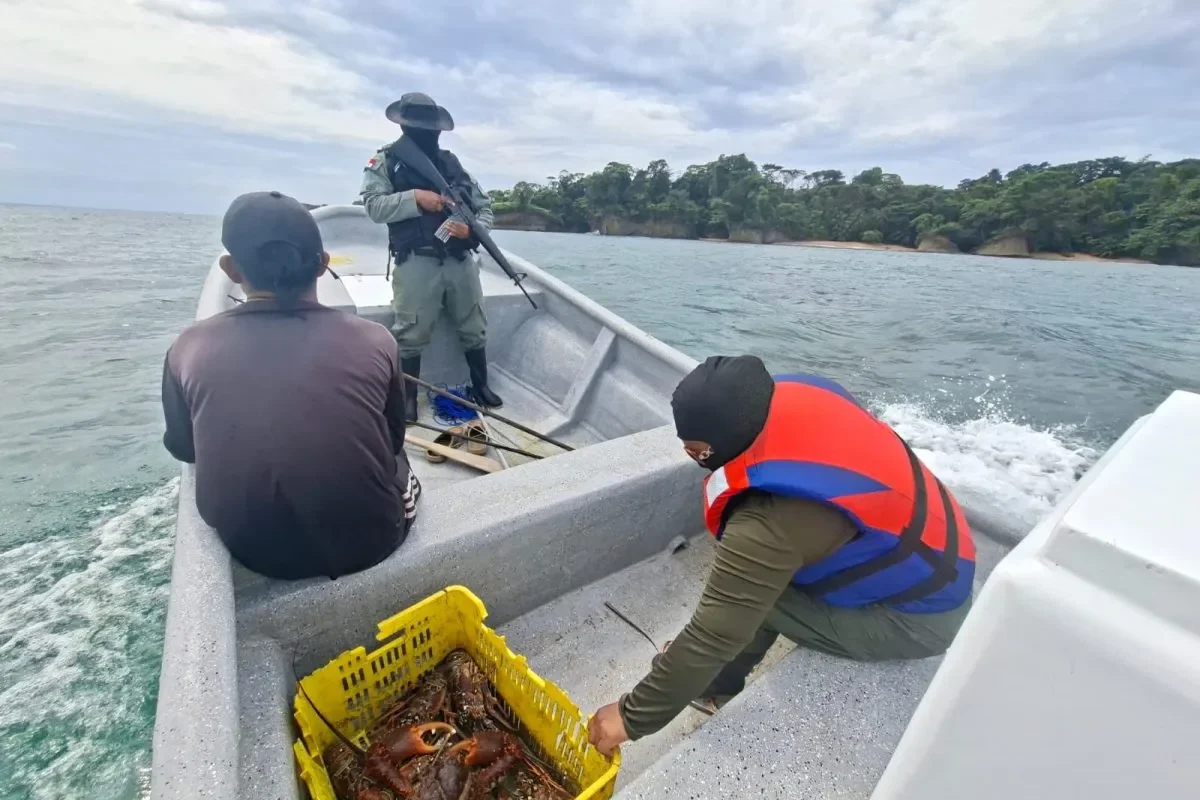
Fishers must maintain a 100-meter distance from coral reefs and cannot anchor vessels over reefs or seagrass beds. Lionfish capture is allowed for registered participants, but all other species, including conch, remain off-limits. Enforcement will occur at control points established by the regional directorate, where fishers and vessels must register before entering the area.
The ministry framed the exception as a limited response to the economic and social importance of lobster fishing for local communities, not a general lifting of conservation restrictions. Once the 30-day window closes, the full closure resumes through year’s end.