


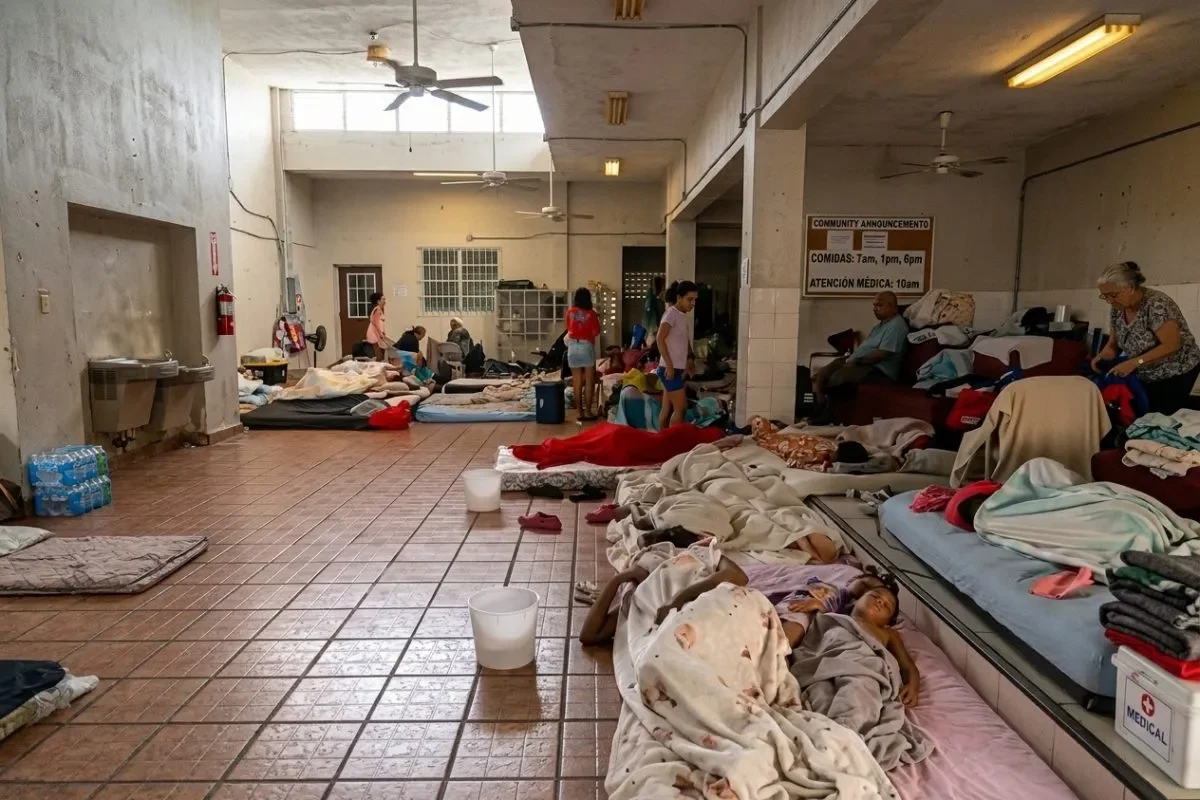
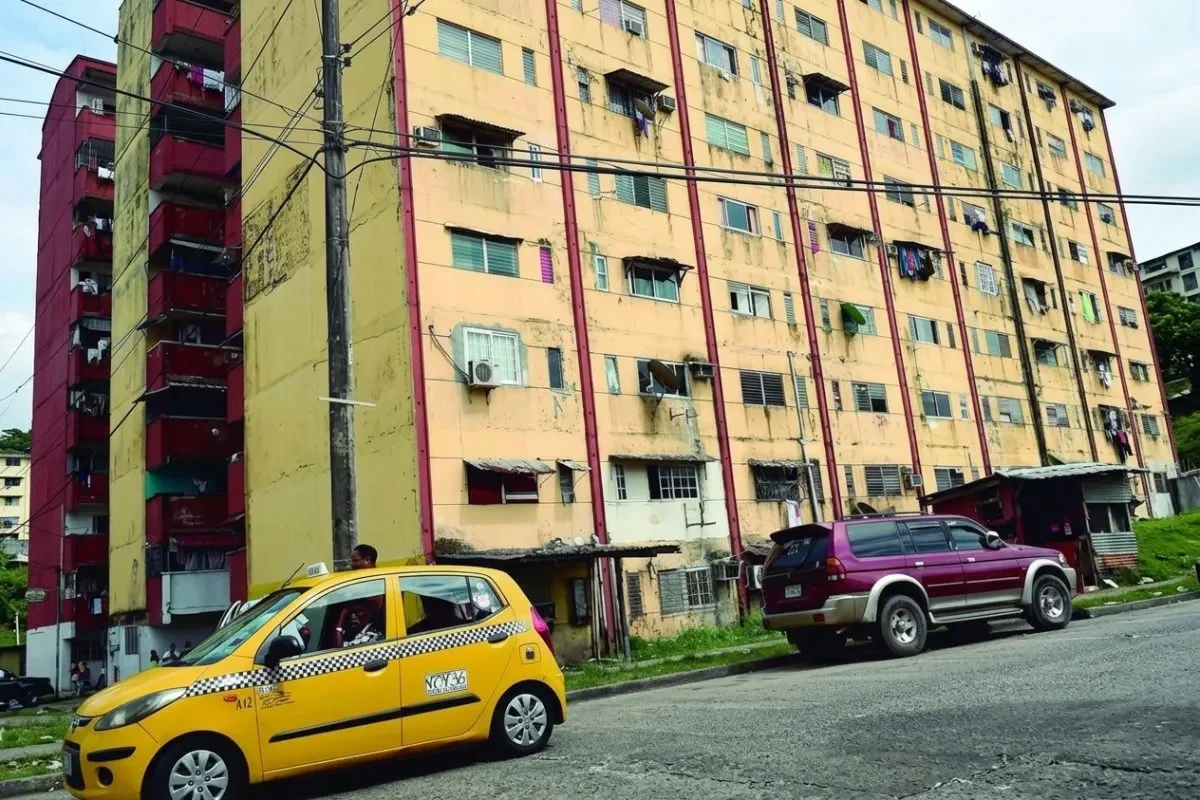
Hundreds of families from the Curundu residential towers remain sheltered at a local school in Panama City, refusing to return to their homes until authorities complete deeper structural inspections following last Friday’s 9 October earthquake and more than 400 recorded aftershocks. The displaced residents, from the Yellow, Chocolate, and Green towers, have been camped at the Maripoussepin Educational Center since the initial tremor struck.
Carmelo Sinclair, who has lived in one of the towers for over 50 years, described the conditions from his ninth-floor apartment during the seismic activity. “They said they are in that process, they are doing the evaluations. Where I live, the walls even emitted smoke and something fell on another side, and in the others, much worse,” Sinclair said [Translated from Spanish]. Despite visits from the Fire Department and Sinaproc, residents say they still lack certainty about whether their buildings are safe to reoccupy.
School Becomes Emergency Refuge for Displaced Families
The private school opened its doors on Friday after organizing student evacuations for safety. Berta Atencio, the center’s administrator, explained that families began arriving that evening seeking shelter. The facility now hosts children, elderly residents, and people with pets, with mattresses, sheets, and pillows arranged throughout the premises.
Daily operations have shifted to emergency response mode. The school prepares and distributes approximately one thousand breakfasts, one thousand lunches, and one thousand dinners each day. Donations from parents, volunteers, organizations, and individuals have supplied food, water, and other essential items to sustain the operation.
Religious Order Coordinates Curundu Residential Towers Relief Effort
The Sisters of Charity Dominicas de la Presentación de la Santísima Virgen, who have maintained a presence in Curundu for about 60 years, are coordinating all care for the displaced families. The religious order originally directed the Fe y Alegría School near the current educational center and lived on the tenth floor of one of the area’s residential buildings.
The sisters later developed a kindergarten space and relocated to their current location, which now serves as the emergency shelter. Atencio noted that the staff’s primary satisfaction comes from providing families with a space where they feel supported and treated with dignity during the crisis.
En este momento, moradores del edificio Rod Carew en Calle 17 Santa Ana mantienen la via cerrada debido a que el edificio se está cayendo y ninguna autoridad se ha acercado a ayudarlos… #ENDESARROLLO https://t.co/D8rLoC3Gto
— Diario Critica.Pa (@criticaenlinea) October 14, 2026
Structural Concerns and Inspection Demands Intensify
Residents have voiced particular concern about the towers’ hallways and staircases, which show visible signs of stress from the repeated seismic events. The buildings are over 50 years old, and residents argue that superficial assessments are insufficient given the scale of the aftershock sequence.
Sinclair emphasized that while emergency responders have visited the site, no definitive safety determination has been communicated to residents. The uncertainty has left families in limbo, balancing the discomfort of temporary shelter against the fear of returning to potentially compromised structures. The situation underscores broader questions about aging housing infrastructure in Panama City and its resilience to seismic activity.