


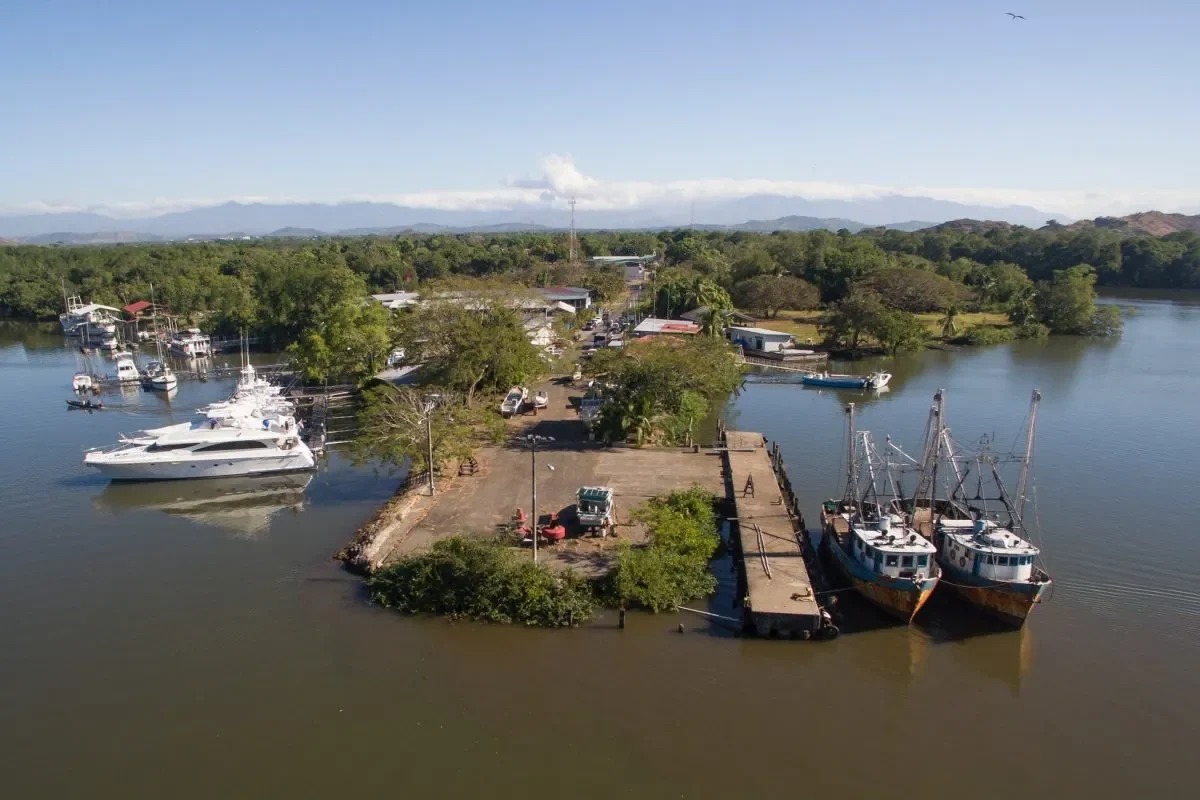
Panama’s Maritime Authority (AMP) has ordered preventive closures of multiple state ports and administrative offices across Bocas del Toro, Veraguas, Chiriquí, and the Azuero region following structural damage from Friday’s earthquake. The Panama port closures took effect October 12 as technical teams assess infrastructure integrity and prioritize staff safety, officials confirmed.
Jonathan Tangarini, head of the AMP’s Port Operations Department, reported that preliminary inspections revealed cracked walls, damage to docks and pilings, and collapsed ceilings and furniture. The agency is now building a contingency plan to count available personnel and gradually restore sailing authorizations.
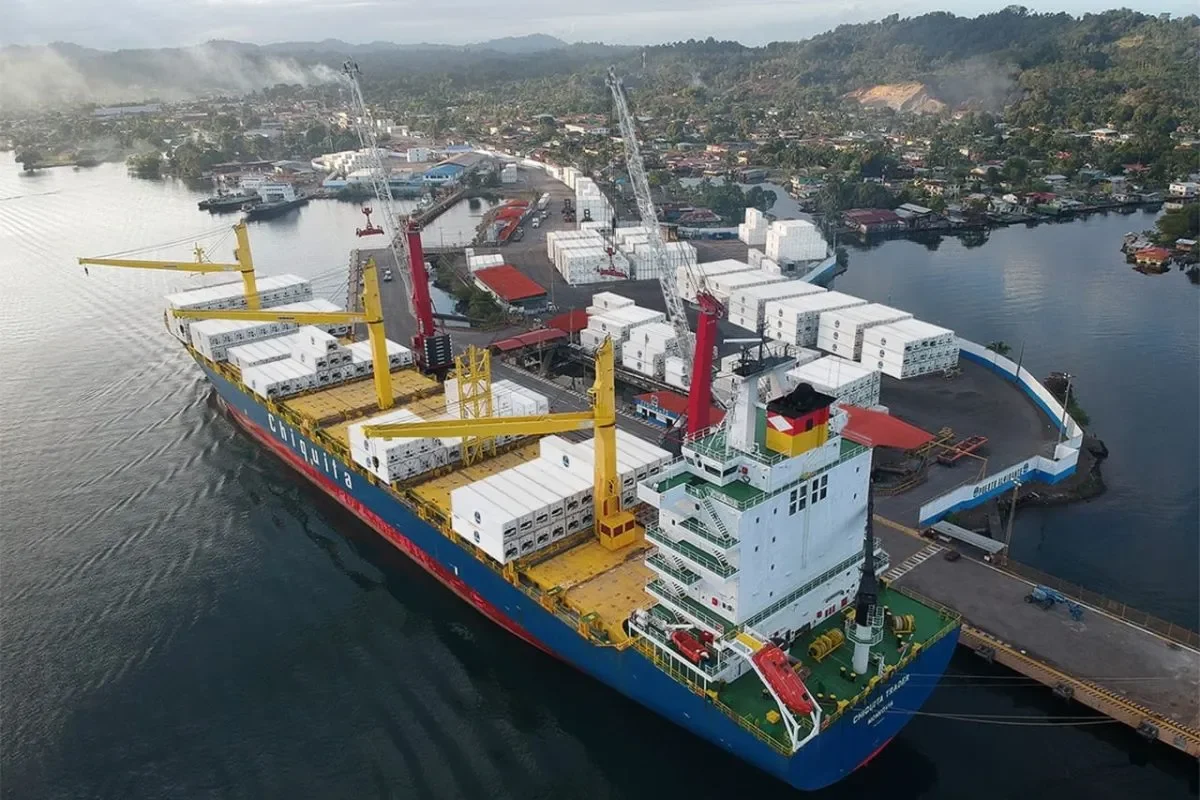
Affected Ports and Administrative Offices
In Veraguas province, Puerto Vidal and Puerto Mutis remain closed, along with public-facing administrative offices. Bocas del Toro saw operations suspended at Puerto Almirante and its regional headquarters shuttered. State port facilities and institutional offices across Coclé, Herrera, and Los Santos provinces are also under preventive closure, while Chiriquí’s administrative office in Remedios has temporarily halted public services.
Despite the restrictions, essential logistics continue at three terminals. Almirante, Mutis, and Pedregal will process departures exclusively to maintain critical supply chains. The rest of the country’s ports are operating normally, with no vessel damage reported so far.
La Autoridad Marítima de Panamá (@AMP_Panama) informó que varios puertos estatales permanecerán cerrados hasta nuevo aviso, mientras se realizan evaluaciones técnicas para verificar las condiciones estructurales de las instalaciones tras el sismo del 9 de octubre. La medida incluye puertos de Veraguas, Bocas del Toro, Coclé, Herrera y Los Santos. También se mantiene suspendida temporalmente la atención al público en oficinas administrativas de estas provincias, así como en Remedios, Chiriquí, y Almirante, Bocas del Toro. La AMP indicó que en los puertos de Almirante, Mutis y Pedregal continuará la atención de los zarpes. La institución exhorta a los usuarios y operadores marítimos a mantenerse informados mediante sus canales oficiales. #RPCRadio
— Rpc Radio (@rpc_radio) October 12, 2026
Essential Maritime Traffic Continues
Tangarini emphasized that fishing and cabotage vessels remain vital to regional food security.
“Fishing and cabotage vessels drive the economy and bring necessary food to the affected populations” [Translated from Spanish]
The decision to keep select terminals open reflects the AMP’s effort to balance safety with economic continuity for communities hit by the seismic event.
The agency also addressed the situation of employees whose homes and families suffered damage from the earthquake. The contingency plan includes workforce availability assessments to ensure operations resume without compromising staff welfare.
Official Guidance and Next Steps
Authorities urged maritime users, fishing vessel owners, and the public to rely solely on official government channels for updates. The AMP specifically warned against false alerts circulating on social media platforms, which have complicated response efforts in affected areas.
Inspections will continue across all closed facilities before any reopening decisions are made. The AMP has not provided a timeline for full restoration of services, stating that safety evaluations must conclude first. Regional offices remain in contact with local authorities to coordinate recovery efforts across the four affected provinces.